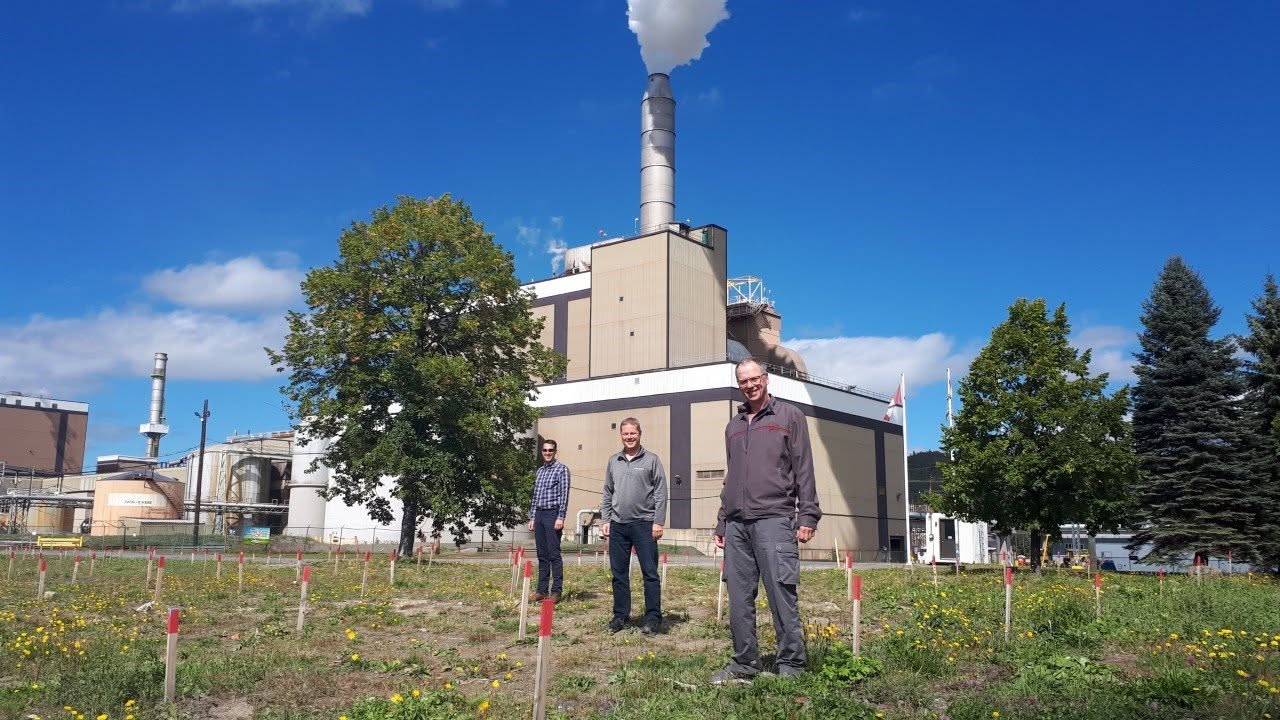
In Madawaska, the northernmost town in Maine, the St. John River marks the line between the United States and Canada, and the paper mill has run on the American bank for as long as anyone in town can remember. That mill, now the flagship of Twin Rivers Paper Company, marked 100 years of papermaking in 2025. Paper first rolled off two machines there in 1925. A century is a long time for any American factory to keep running, and longer still in a place this remote. Through it all, the Madawaska mill has remained the largest employer in town.
What keeps the place alive is not nostalgia, but output. The Madawaska mill runs four paper machines and produces more than 340,000 tons of specialty paper a year, employing more than 500 people. As a whole, Twin Rivers Paper Company operates seven paper machines across four sites, including three specialty mills in upstate New York and an integrated pulp mill across the river in Edmundston, New Brunswick, turning out 400,000 tons of paper annually. The Maine mill is responsible for most of the paper output. It specializes in lightweight grades that show up in places most people never think about: grease-resistant food packaging, lightweight opaque publishing grades, pharmaceutical papers, release liners, and thermal-transfer label stock. The New York mills, meanwhile, perform work such as waxing and laminating.
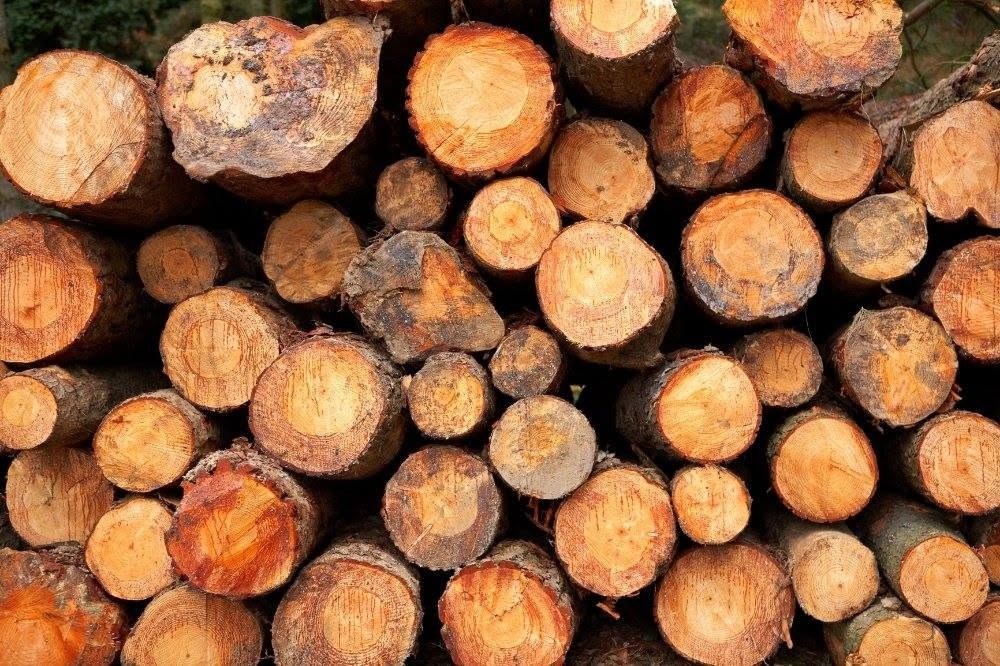
Photo Courtesy Twin Rivers Paper Company
The Madawaska operation has lasted by staying flexible and by feeding itself. The mill is tied to the Edmundston pulp mill, established in 1916 as the first sulphite pulp mill in the area, with pulp moving across the St. John via pipeline. A steam pipeline built across the river in 1975 carries heat and energy to the Maine machines. In 1997, the Edmundston complex also commissioned a 45-megawatt biomass-fueled cogeneration plant, which now supplies more than half of that site’s energy. The wood ash produced by the process is reused as a soil amendment on agricultural land.
In 2011, Twin Rivers also modernized heat recovery systems across its Madawaska operations. For a company in the paper business, generating power from clean sources is simply good economics, and the numbers back it up. Across its legacy Maine and New Brunswick operations, Twin Rivers reports that 45% of its electricity comes from self-generated steam and 82% comes from carbon-neutral sources, including heavy liquor. The company has cut greenhouse gas emissions across these locations by 66% since 1990, and fossil fuel use by 80% since 2006. It now purchases 15% of its energy, so that only 2% comes from fossil fuels. Furthermore, it diverts 98% of its solid residue from landfills into composting, land amendment, and energy production.
The mill draws on certified forests as well, having achieved the Forest Stewardship Council’s chain-of-custody certification in 2009, also adding Sustainable Forestry Initiative (SFI) and Programme for the Endorsement of Forest Certification (PEFC) certifications since. Now, the company procures 100% of its fiber from controlled or certified wood sources, and it can produce paper with up to 100% post-consumer waste. Twin Rivers frames this as the way a well-run mill in the north woods has always operated: use what you have, waste as little as possible, and keep the cost of running the place down. In September 2025, the business sustainability ratings company EcoVadis awarded the company a Committed Badge for its dedication to the environment, ethics, sustainable procurement, and labor and human rights.
That same practical instinct shows up in what the mill now makes. Among its products is EcoBarrier, an oil- and grease-resistant food-packaging paper engineered to hold up under a burger or a basket of fries without the per- and polyfluoroalkyl substances, or PFAS, on which the industry has long relied. “Throughout the past decade, we’ve collaborated closely with converters and the largest fast-food, quick-serve, and fast-casual restaurants to engineer and continuously optimize our portfolio of EcoBarrier PFAS-free packaging papers,” said Rachel Van Wychen, Director of Sales – Specialty Packaging and Technical at Twin Rivers Paper. Twin Rivers’ EcoBarrier line earned compostability certification from the Biodegradable Products Institute in 2021 for being 100% recyclable, biodegradable, and compostable, well before the regulatory tide turned.

Photo Courtesy Twin Rivers Paper Company
That tide is now turning hard. The U.S. Food and Drug Administration announced on February 28, 2024, that grease-proofing substances containing PFAS are no longer sold for food-contact use in the U.S. market, and Maine’s own Department of Environmental Protection adopted a rule prohibiting PFAS in several categories of plant-fiber food packaging, effective May 25, 2026. A Maine mill that had already engineered the chemistry out of its packaging paper found itself making exactly what its home state, and the country, have now begun to require.
The company that owns the mill is privately held, with a joint venture of Atlas Holdings and Blue Wolf Capital Partners as its largest shareholder. But ownership has changed hands across the decades, and the constant has been the place and the people in it. “Twin Rivers’ 100-year milestone is a tribute to generations of employees who have been instrumental in the company’s growth and success through the years,” chief executive Tyler Rajeski said of the centennial. Throughout this time, it has also continued to give back to that community, including through the Community Roots Scholarship Program that provides scholarships to children of full-time employees.
A hundred years in, the machines on the St. John River are still running, the paper is still moving, and the town is still built around the work. In a corner of the country where steady manufacturing jobs are hard to come by and harder to keep, that is its own kind of achievement.
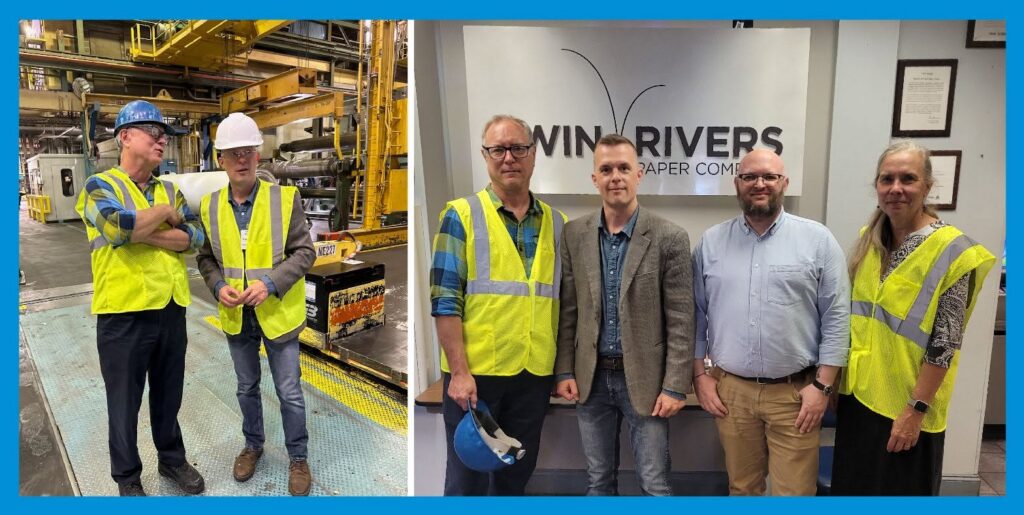
Photo Courtesy Twin Rivers Paper Company