Near the small town of Ryan in eastern Iowa, twenty wind turbines have been turning since late 2021, sending power onto the grid under a contract with an Iowa electric cooperative. The turbines belong to BHE Renewables, and for a company headquartered in Des Moines, the project marked a milestone that took years to reach. When the 54-megawatt Independence Wind Energy project came online, it became the first renewable energy project BHE Renewables had ever built in its own home state.
BHE Renewables is the renewable energy arm of Berkshire Hathaway Energy, the Warren Buffett-owned utility group also based in Des Moines. From that Iowa headquarters, the company develops, owns, and operates solar, wind, geothermal, hydroelectric, and natural gas projects that, as of June 2026, total roughly 5,488 megawatts of capacity across 11 states and are run by about 500 employees. For most of its history, that capacity sat everywhere except Iowa.
The Independence project changed that. After building out the wind project, the company signed a 20-year agreement to sell the electricity to the Central Iowa Power Cooperative, a wholesale power supplier owned by local distribution co-ops. For a cooperative, a two-decade contract at a fixed price is a hedge against the fuel-cost swings that drive electric bills up and down. Alicia Knapp, then BHE Renewables’ president and CEO, said the company was “pleased to be delivering wind energy to Central Iowa Power Cooperative in support of their renewable energy goals.”
Iowa was a fitting place to plant that flag. Wind turbines generated 63% of the state’s electricity in 2024, according to the U.S. Energy Information Administration, the highest wind share of any state, and Iowa ranks among the 10 states with the lowest average electricity prices. Much of that fleet belongs to MidAmerican Energy, the regulated utility that is BHE Renewables’ corporate sibling. BHE Renewables plays a different game, selling its power into wholesale markets and under long-term contracts like the one in Ryan rather than to retail customers.
Where the company has built at real scale is the wind business nationally. BHE Renewables now owns more than 2,500 megawatts of wind across 13 projects, including in four of the top states for wind energy production – Iowa, Texas, Illinois, and Kansas – in addition to holding partial stakes in 36 more wind projects spread across seven states. In April 2025, the company completed its purchase of Rio Bravo Windpower, a 237-megawatt wind farm on the South Texas border that it had previously backed as a financing partner. “We are excited about the acquisition of Rio Bravo, marking a significant expansion of our renewable energy portfolio,” said Eric Smith, the company’s vice president of wind operations, in announcing the deal that brought its total wind fleet to 2,544 megawatts. The company is a large contributor to U.S.-generated wind energy, which the company says, in total, “prevented 351 million metric tons of CO2 emissions from entering the atmosphere in 2024 – that’s equivalent to the CO2 emissions from 61 million gasoline-powered cars!”
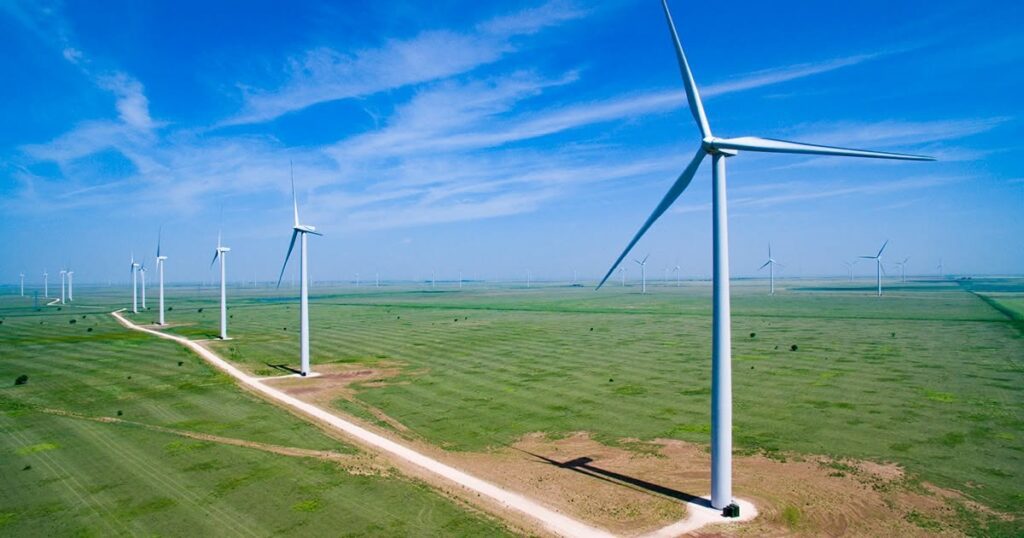
Photo Courtesy BHE Renewables
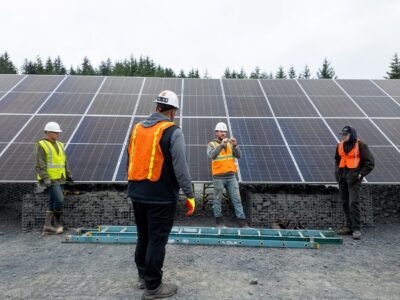
The most ambitious thing the Des Moines company is building, though, sits in West Virginia. In Jackson County, on a 2,000-acre lot that once held a Century Aluminum smelter, BHE Renewables is constructing what is believed to be the first solar-plus-storage project built to power a large industrial plant directly. The smelter closed in 2015, citing high electricity costs, and the land sat empty along the Ohio River. Now, a sprawling solar array and a battery system are rising across the road from a new titanium melt facility operated by Titanium Metals Corporation, whose parent, Precision Castparts Corp., is another Berkshire company.
When finished, the Ravenswood Microgrid project will pair a 106-megawatt solar array with a 50-megawatt battery system, supplying roughly 70% of the titanium plant’s electricity and powering titanium production for the aerospace industry. According to David Dugan, director of corporate communications for Precision Castparts Corp., the system will provide “consistent, reliable power supply” at a cost that is “comparable to traditional power sources.”
The project matters beyond West Virginia because titanium is a strategic metal, two times stronger than aluminum and weighing half as much as steel, so it “should be used a lot more in our daily lives and in the industry,” said Zhigang Zak Fang, a professor at the University of Utah. However, the United States stopped producing its own titanium sponge in 2020, and according to Canary Media, China and Russia together control about 70% of the global market for the raw material, while the U.S. imports it from Japan and Kazakhstan, making it particularly expensive. Powering titanium product production with a cleaner, cheaper energy source will help drive down overall costs. Plus, a domestically made, solar-powered titanium supply chain is the kind of self-reliance story that is inherently American, creating what BHE calls “the start of a global aerospace manufacturing hub.”
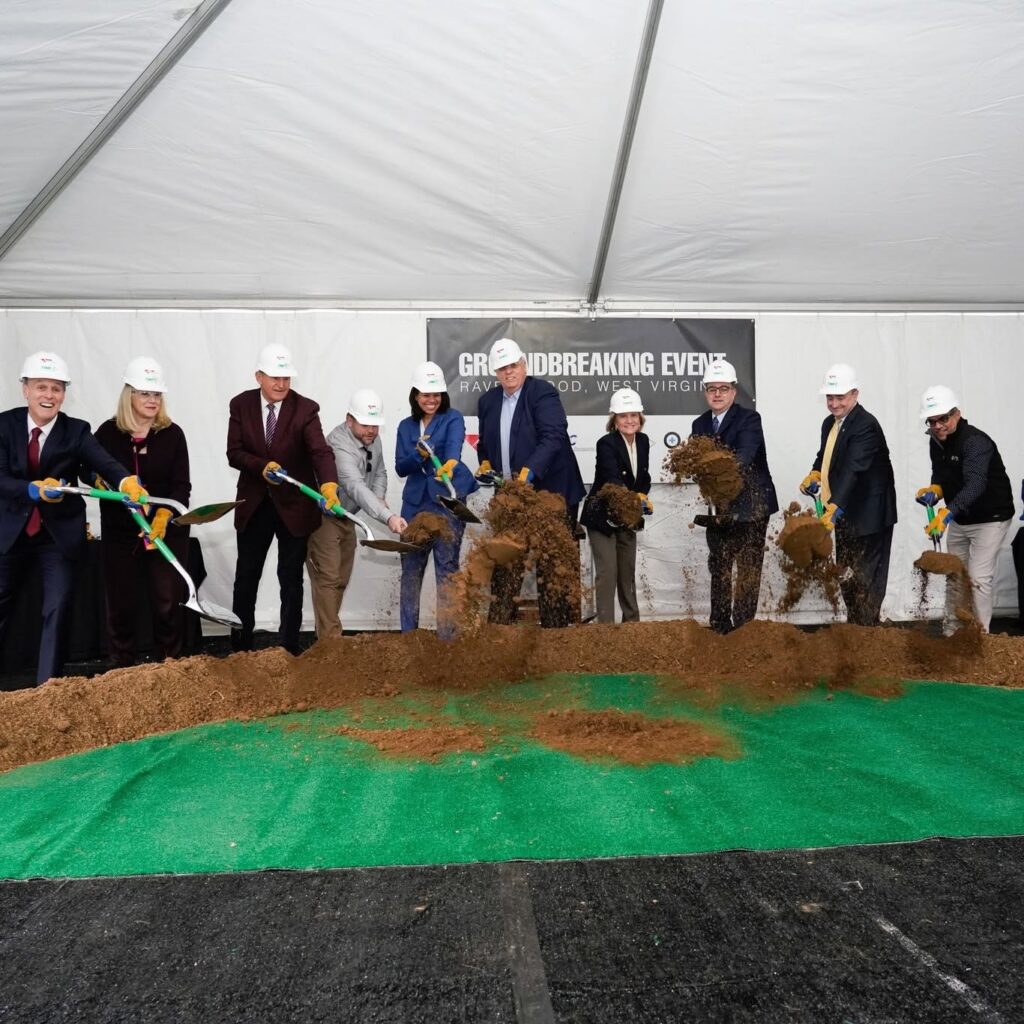
Photo Courtesy PCC Metals Group
The company’s oldest assets point toward its newest bet. In California’s Imperial Valley, BHE Renewables operates 10 geothermal plants under the CalEnergy brand that have run for more than four decades, producing 345 megawatts of around-the-clock power. “The plants can operate 24/7 with steady output, unaffected by weather or environmental conditions,” the company described.
Additionally, the hot brine those plants pull from deep underground contains lithium, the metal at the heart of every battery, and the ten plants together process 50,000 gallons of lithium-rich brine per minute. In 2024, therefore, the company launched a joint venture with Occidental to extract it domestically. Company projections put potential output near 90,000 metric tons of lithium carbonate equivalent each year, enough for roughly 11 million electric-vehicle batteries annually, powering American leadership in the industry.
Video Courtesy BHE Renewables
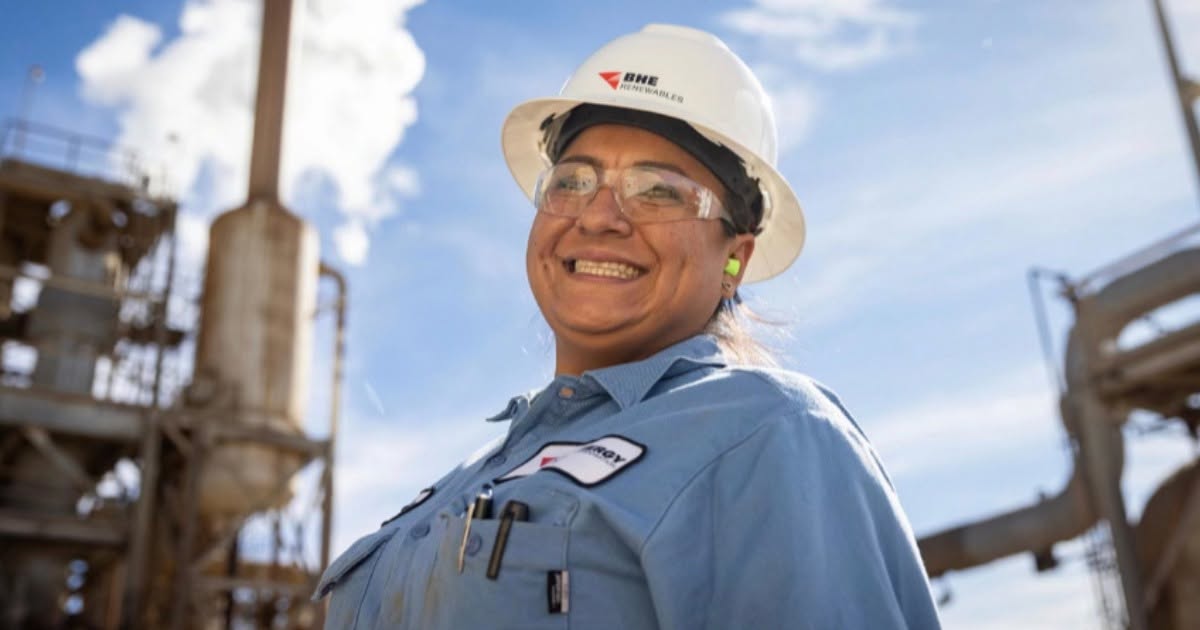
Closer to the ground, the company leases more than 250,000 acres across six states, putting reliable income in the pockets of farmers and landowners. Each of the projects that BHE works on also provides local jobs and contributes to economic growth. As former West Virginia Governor Jim Justice said, “I can never thank BHE Renewables and PCC enough for their commitment to West Virginia and for the jobs and economic ripple effects this partnership will bring.” BHE Renewables also provides workforce development programs for future renewable energy professionals. For example, it offers a curriculum to help train workers through a geothermal plant operator certification program at Imperial Valley College in California.
It all traces back to a Des Moines office and a 500-person team. The Iowa turbines near Ryan are a small share of what the company operates. Still, they were a long time coming and are a reminder that one of the country’s busiest clean energy builders answers to an Iowa address.