
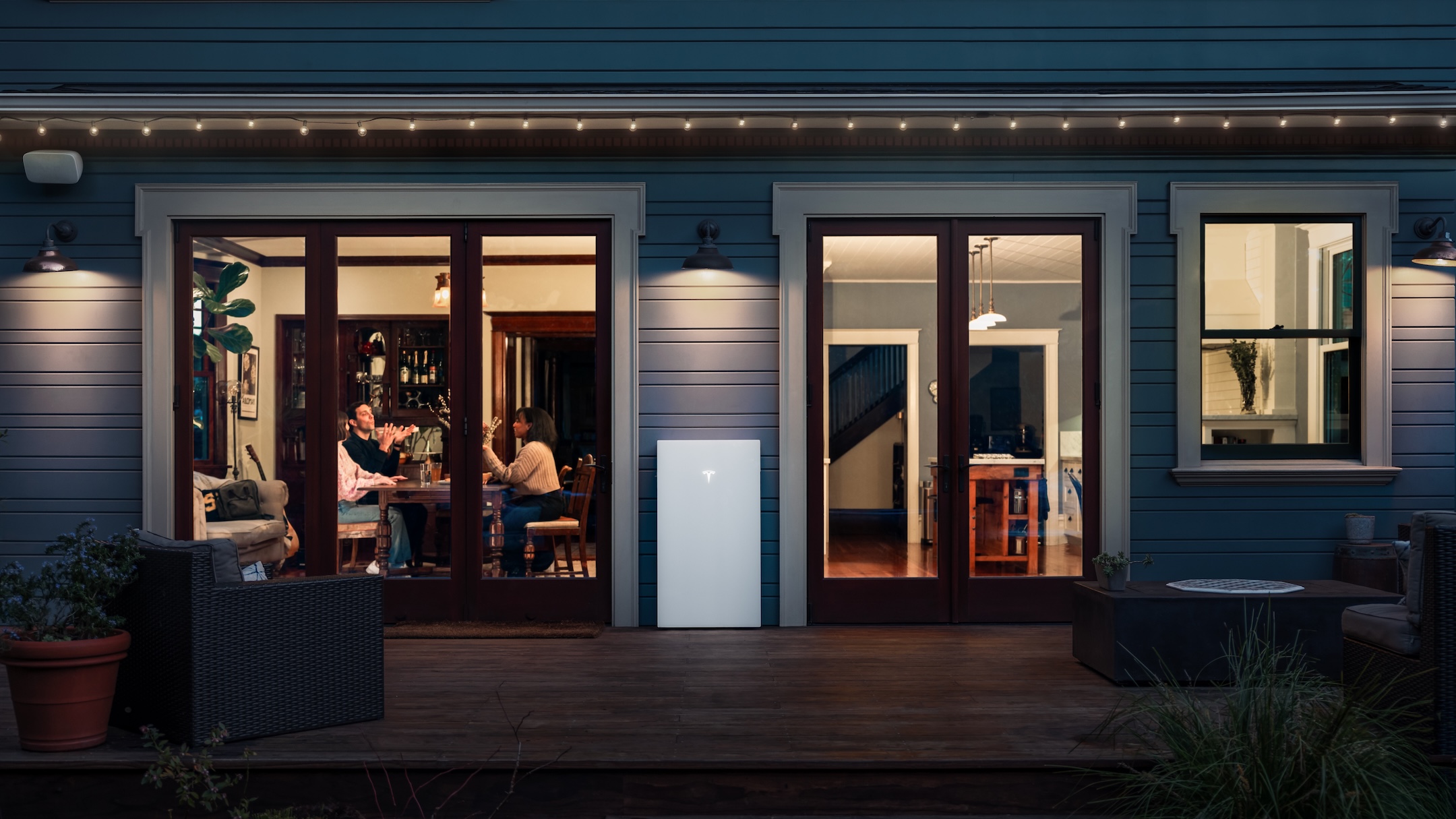
“We got a check for $600,” one New Orleans homeowner told NOLA.com, describing a battery program run by Entergy New Orleans. “It’s a sweet deal.”
The check comes from equipment most owners bought for a different reason. A home battery stores electricity, usually from rooftop solar panels, so a household can use it later, including during an outage. An independent evaluation filed with the New Orleans City Council in June 2026 found that backup power was the top reason pilot participants gave for buying one, cited by 29.5% of those surveyed. Storing their own solar power (23.2%) and saving on electric bills (19.0%) followed.
The New Orleans City Council approved the pilot for the Entergy New Orleans Virtual Power Plant in November 2022, starting with 30 homes that already had solar-connected batteries. When demand spikes, the utility calls an event, and enrolled batteries send stored power to the grid for two hours. Events are scheduled 24 hours in advance, and a battery never drains below the backup reserve its owner sets. Entergy New Orleans does not call events when a severe storm is forecast, so batteries stay ready for backup, the program’s frequently asked questions page states.
Participants earn $125 for each kilowatt their battery delivers on average across events, up to $600 a year for homes and $1,800 for businesses. Most participants earn around $360 a year, according to the enrollment page run by EnergyHub, the company that manages the program’s dispatch software. That page lists batteries from Tesla, Enphase and FranklinWH as eligible.
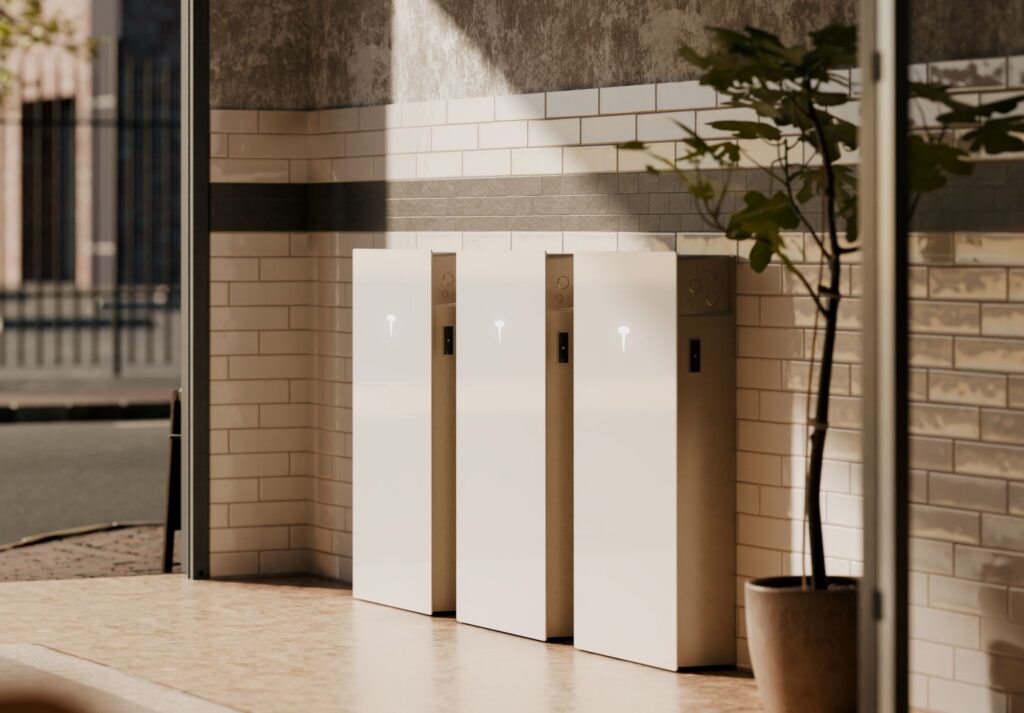
Photo Courtesy Tesla
The pilot started small. In 2023, Entergy called ten events, and the batteries delivered about 59% of the 135 kilowatts of peak reduction the utility targeted, Entergy’s 2023 program report shows. “We started slow and steady: Let’s learn what the positives and potential speed bumps are,” Ross Thevenot, senior project manager at Entergy New Orleans, told Canary Media. He said the pilot produced “great data” and helped the utility learn to fix connection and settings problems.
By 2025, 116 homes were enrolled. Evaluators estimated that the fleet delivered about 570 kilowatts of peak reduction, roughly 4.9 kilowatts per home and 115% of what Entergy expected, by applying measured 2024 results to the 2025 participants. Surveyed participants reported no noticeable disruption at home during events, even though 55% were home for at least one. Some 77.4% rated their satisfaction 7 or higher out of 10, and all but one said they were likely to take part again. The most common reason they gave for enrolling was helping the community during high demand (22.3%), ahead of earning a rebate (19.2%).
Peak hours can test the grid. On May 25, 2025, the regional grid operator, the Midcontinent Independent System Operator, directed Entergy to shed 500 megawatts of load in the Slidell and New Orleans areas to relieve a strained transmission system, Entergy’s after-action report shows. About 52,000 Entergy New Orleans customers lost power. The pilot’s roughly 570 kilowatts is small next to an event of that size, but there is significant room for growth. “Every outage is a reminder that we need a more reliable and flexible electric grid,” Councilmember Aimee McCarron said as a council committee advanced a larger program in September 2026.
The benefits could reach beyond battery owners. Over time, Entergy could sell the network’s combined capacity in the regional wholesale power market, with the proceeds helping keep costs down for every customer, Canary Media reported. “Nonparticipating ratepayers are definitely enjoying the benefits of just having more affordable power,” Gabriela Olmedo, manager of policy and regulatory affairs at EnergyHub, told the publication. She argued that home-battery networks can be built more quickly and at lower cost than conventional grid upgrades.
Demand for batteries is already growing. About 75% of customers at Solar Alternatives, a New Orleans solar installer, now buy batteries, The Advocate reported, with interest climbing after the long outages that followed Hurricane Ida in 2021.
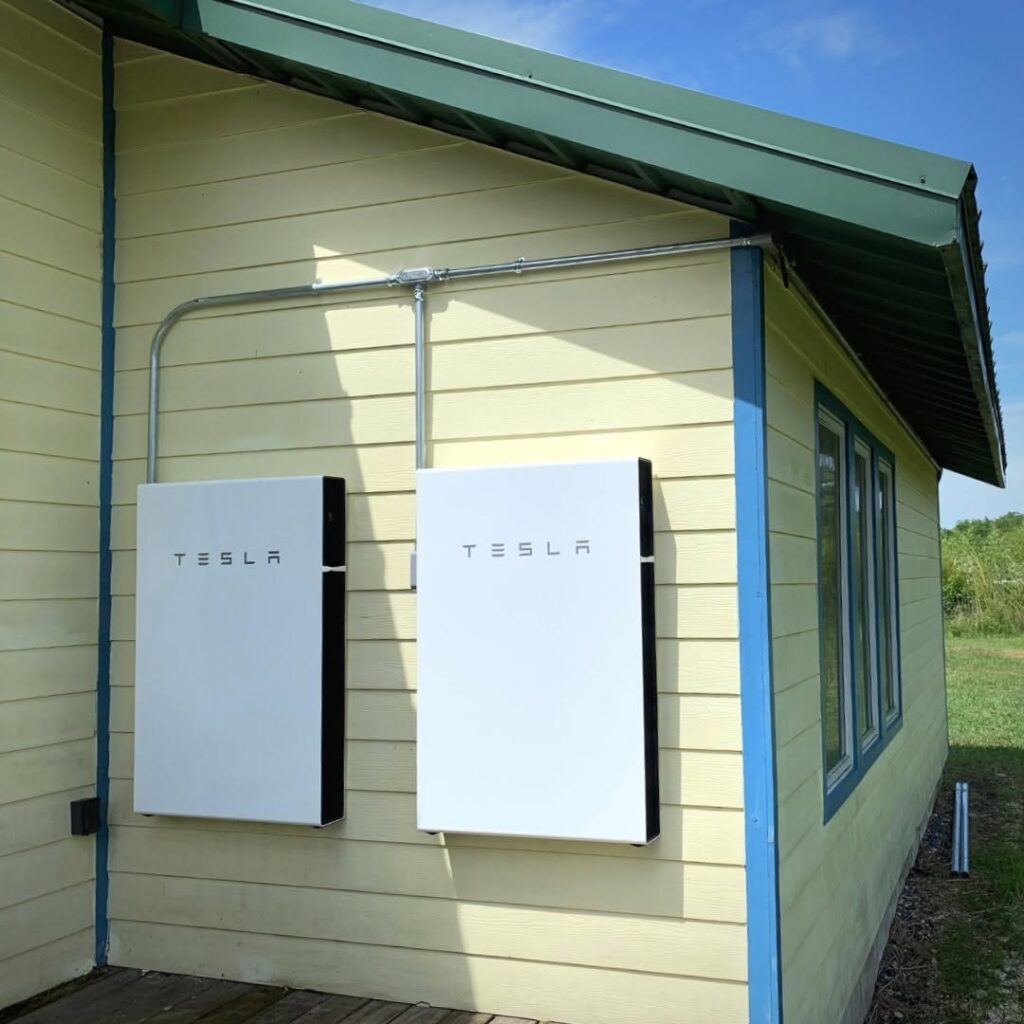
Photo Courtesy Solar Alternatives, Inc.
Batteries remain a major purchase. Together New Orleans, a coalition of congregations and community groups, estimated in a March 2026 council filing that a home battery project in New Orleans averages about $19,900 for a lower-income household and about $21,300 for other homeowners. That cost helps explain why today’s participants skew affluent: some 58% of surveyed pilot households reported incomes above $150,000.
However, on Oct. 1, 2026, the New Orleans City Council unanimously approved a $23.6 million incentive package, authored by McCarron, to put batteries in roughly 800 homes and more than 200 businesses, with 40% of upfront funds reserved for low- and moderate-income households. “Today, we approved the largest per-capita investment in distributed battery storage in the nation,” Council Vice President Matthew Willard said in the council’s announcement. The program grew out of a proposal that Together New Orleans and the Alliance for Affordable Energy jointly filed in October 2024.
The incentives draw on settlement money the council received from Entergy New Orleans in 2024, so they will not raise customer bills, the Alliance for Affordable Energy explained. Under parameters a council committee approved in September 2026, lower-income households would receive $850 per kilowatt-hour of battery capacity, which, combined with available tax credits, Biz New Orleans said should make them “essentially free for low-income families.” Households that accept an upfront incentive would stay enrolled in Entergy’s demand response program, with the council calling for a minimum of seven years. Entergy faces a March 31, 2027 deadline to implement the program.
The model is also spreading across Louisiana. Entergy Louisiana now pays owners of new batteries $75 per kilowatt-hour of installed storage, up to $1,000, plus up to $600 a year for sharing power at peak times.
For New Orleans battery owners, the arrangement turns a storm-season purchase into a modest yearly check and a way to help neighbors keep their lights on.