In May, The New York Times published a story about the impact of the Congressional fight for the future of clean energy tax credits on the Native Village of Noatak, Alaska, or Nautaaq in Inupiat. It has been occupied for over 125 years, with origins tracing back to a hunting and fishing camp. Seventy miles north of the Arctic Circle, it is the only town located on the 400-mile-long Noatak River and has not had barge service since the 1990s due to shifting channels that caused the river to become too shallow. Kotzebue, the closest city, is over an hour away on an all-terrain vehicle. “You could probably get to Hawaii as cheap as you can get to Noatak from Anchorage,” noted Bill Stamm, CEO of the Alaska Electric Village Cooperative.
Although the median household income is only $55,000, the federally recognized Tribe faces electric bills four times higher than the rest of the country, averaging $13.47 per gallon for gasoline and $14.44 for heating oil in 2023. The extra cost primarily comes from the need to fly in diesel twice a month. According to the U.S. Department of Energy (DOE), “Noatak consistently has the highest delivered cost of fuel and electricity price in all of AVEC’s service area, which spans 58 communities spread across most of rural Alaska.”
The season poses particular challenges with the average temperature below zero degrees Fahrenheit in the winter. One resident, Robbie Kirk, remembered paying a $2,500 bill one month about seven years ago, when the temperature hit negative 60 degrees. Bessie Monroe, assistant to the Tribal Administrator, told The New York Times that she paid $250 monthly for energy for her one-bedroom house this past winter, even though she used a wood-burning stove to supplement her generator.
Not every resident has a wood-burning stove, which posed a significant problem when mechanical issues delayed shipments last year in temperatures ranging from negative 25 to 35 degrees. “The fuel cost is the thing that kills,” Monroe said. Kirk added, “I work three jobs to make sure the struggle is not there. I have a lot of family here, a lot of widowed uncles, widowed aunts that they’re not able to, just not physically able to. So just watching them struggle with those decisions on whether they should buy heating fuel or buy gas. That determines — I don’t want to say how well they live their life — but how much easier it could be.”
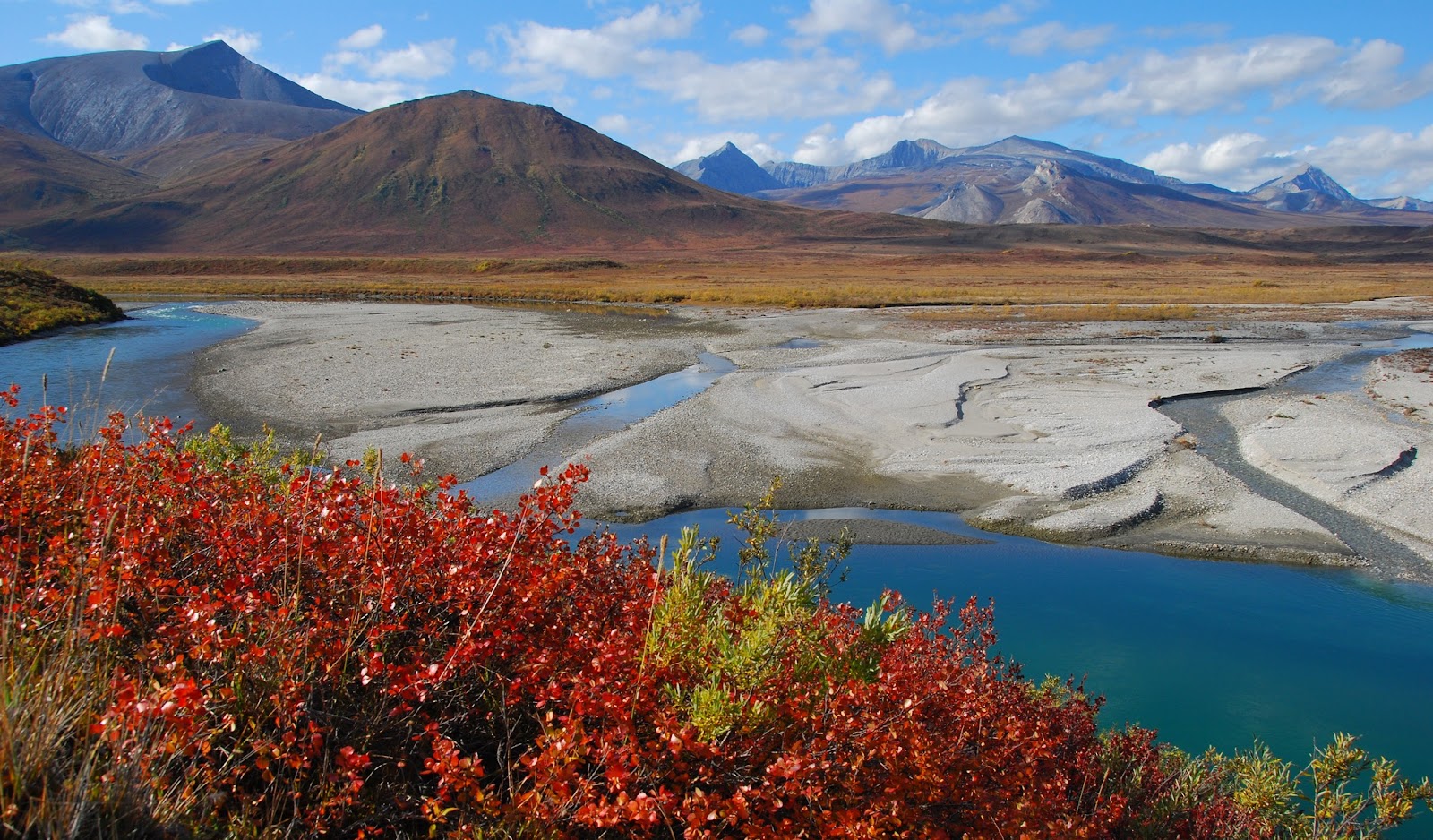
Photo Courtesy Alaska Village Electric Cooperative
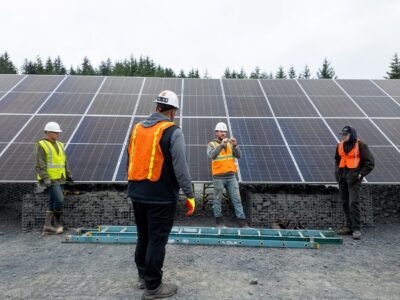
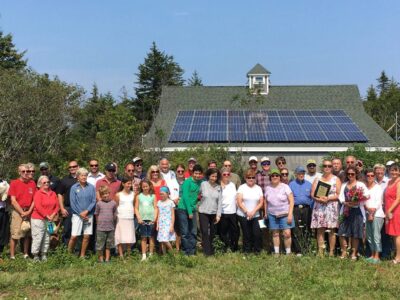
The village has been slowly adding renewable energy sources to address these energy costs. In 2013, the town finished installing an 11.27-kilowatt (kW) solar photovoltaic system on its water treatment plant. Tristen Ashby, Noatak’s Tribal administrator, recalled expressing his desire to install more solar to address the energy cost crisis: “When I came into this office, I asked the previous administrator, who got us the solar panels, ‘How could I get another farm?’”
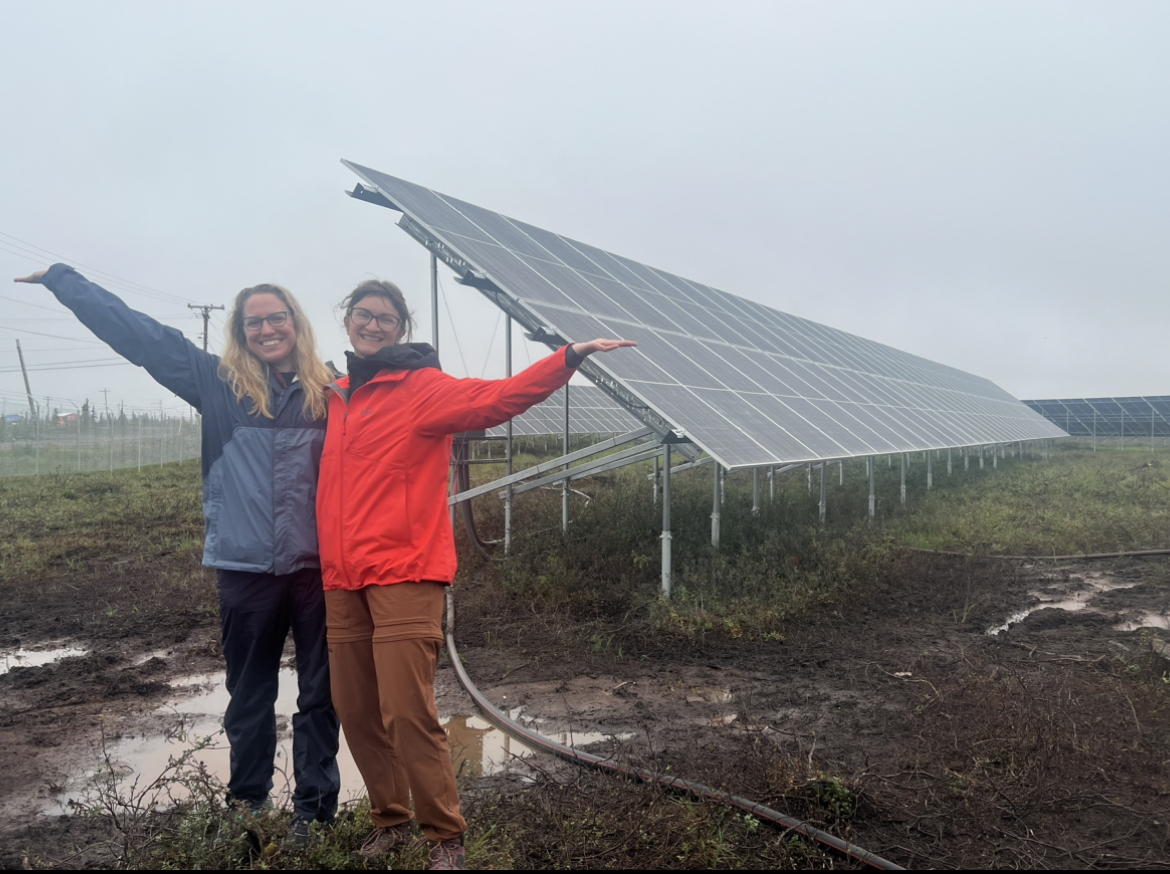
In 2021, the DOE’s Office of Indian Energy Policy and Programs awarded the village $2 million, and the Northwest Arctic Borough awarded it $310,000 through its Village Improvement Fund. Construction began on a $2.9 million solar-battery hybrid system in 2022. Consisting of 280 kW of solar power and more than 400 kilowatt-hours (kWh) of battery storage, the first phase was completed at the end of 2023, estimated to reduce fuel consumption by over 21,000 gallons per year. The DOE estimates the project will save the community over $2.8 million over its operational lifetime.
As the DOE explained, creating an independent power producer for the community will “increase local capacity, develop local jobs, maximize the return on investment to the community, increase collaboration with the local utility, and provide funding that can be used for the long-term focus on improved operations and maintenance systems for the community energy infrastructure.”
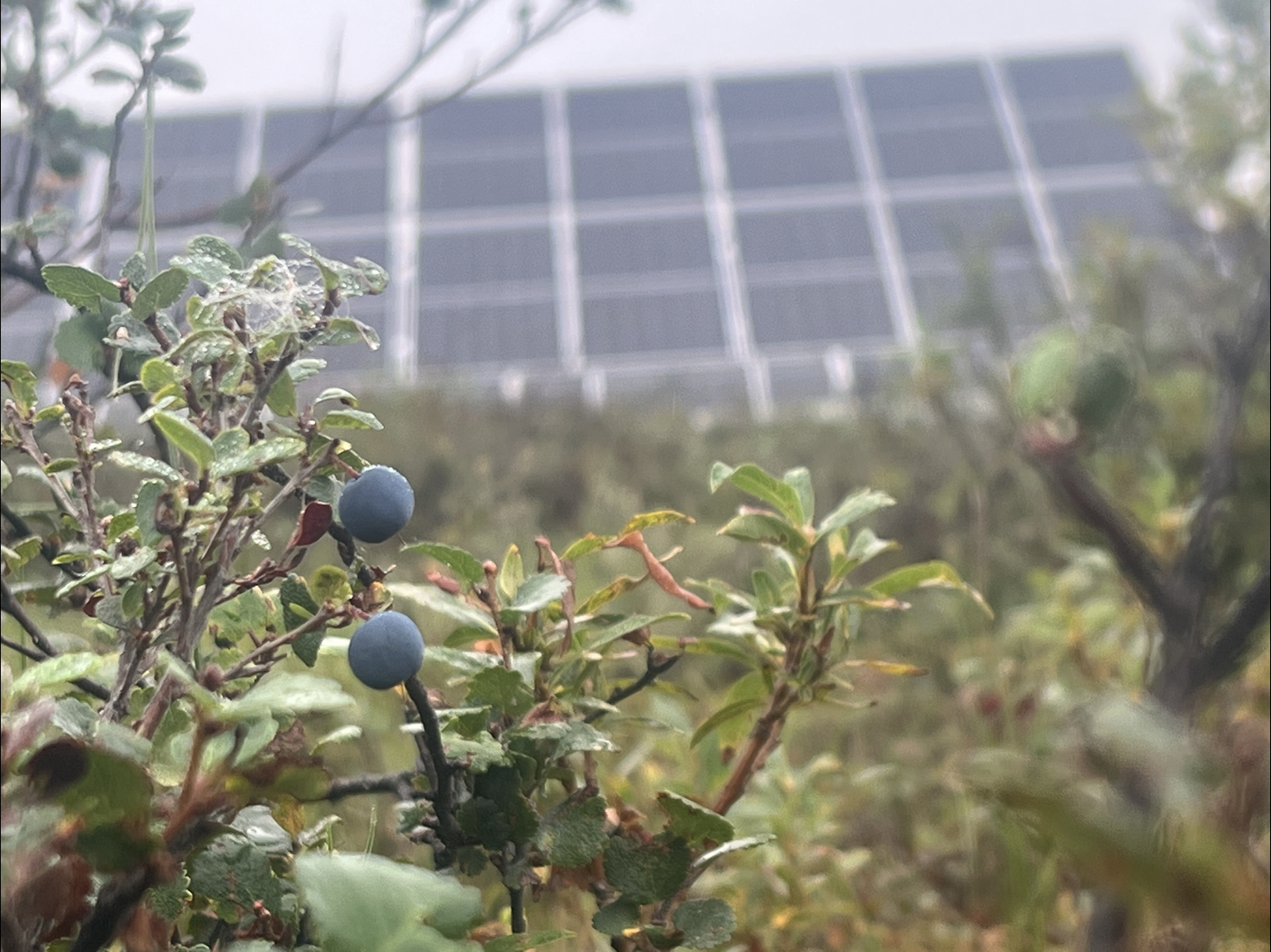
Photo Courtesy Alaska Village Electric Cooperative
Influenced by the availability of clean energy tax credits that were introduced in 2022, the village made plans to expand the project further to 550 kW of solar and more than 600 kWh of battery storage, upping the system’s diesel offset to more than 39,000 gallons per year. Additionally, last year, the DOE awarded $54.8 million through the Energy Improvements in Rural or Remote Areas (ERA) program to help eleven Native villages in the Northwest Arctic Borough, including Noatak, install solar, battery storage, and heat pump systems.
Senator Lisa Murkowski reacted, “One of my priorities when crafting the bipartisan infrastructure law was cleaner and more affordable energy for Alaska. I see the opportunities we have to utilize more of our local resources, the hardships that high energy costs cause across our state, and pushed this innovative program as a way to tackle both… These investments will create jobs, reduce emissions, and increase the use of renewable resources while decreasing electricity bills.”
However, Alaska’s clean energy funding and tax credits are now at risk. A January executive order froze federal funding through landmark legislation passed under the previous administration, leaving many projects uncertain about their future. “It seemed like two, three years ago, there was a lot of enthusiasm moving forward with a lot of these projects, Matt Bergan, a project engineer for the Kotzebue Electric Association, told The New York Times. “We know what we need up here. We need the wind and the solar and the storage to make heat, and get away from diesel fuel. And the stars were aligning. These big federal dollars were going to be coming through. We go tour projects shovel-ready to go. And now all the stars have unaligned.”
Most recently, Republicans in the U.S. House took an ax to clean energy tax credits in their budgetary and tax bill version. The onus is now on the Senate to decide the fate of the investments. Bill Stamm, CEO of the Alaska Electric Village Cooperative, explained their importance: “There is still a substantial amount of money that has to come out of pocket to make these projects work. If you can get some of that money back, especially for folks that have a tax appetite — that I think, swayed the movers and shakers, the folks that are going to decide, ‘Do we want to actually get involved in this kind of business?’”
In April, Sen. Murkowski joined other legislators in a letter to Sen. John Thune (R-SD), the Senate majority leader, advocating for these clean energy tax credits. The senators explained their hesitance to rip the rug out from the American businesses that relied on the tax credits to make substantial investments in expanding their domestic energy production or manufacturing presence: “A wholesale repeal, or the termination of certain individual credits, would create uncertainty, jeopardizing capital allocation, long-term project planning, and job creation in the energy sector and across our broader economy.” The senators also highlighted their unwillingness to place added hardship on American families: “Given rising energy demand, it is imperative that any modifications to the tax code avoid worsening the economic pressures that American households and businesses already face. For energy credits that provide a direct passthrough benefit to ratepayers, repeals would translate into immediate utility bill increases, placing additional strain on hardworking Americans.”
Monroe told The New York Times that she hoped that Congress would extend federal support for clean energy projects in the state because she was worried about her daughters being able to pay all of their bills: “Our future, it doesn’t look good, per se, with the cost of living right now. I start to realize that all this is going to come upon them. They’re going to have to carry the burden of heating their homes or buying food.”