As a Brigham Young University (BYU) student living off campus in Provo, Ryan Smith went to recycle his trash, only to find no bin in sight. Digging deeper, he realized the problem was much bigger: most apartment complexes across the country offered no recycling options for their tenants.
Smith, an Eagle Scout, grew up in Utah in a family of eight children, and the family was environmentally conscious enough that recycling was a normal part of life, the Aitkin Independent Age reported in coverage republished by Aitkin County Economic Development. The lack of recycling in some of the places he moved struck him as a logistics problem rather than a willingness problem. He founded Recyclops in 2014, two years before he graduated from BYU with a degree in business strategy. The business estimates that 50 million American homes lack access to convenient recycling. These are not people who refused a bin. They were never offered one.
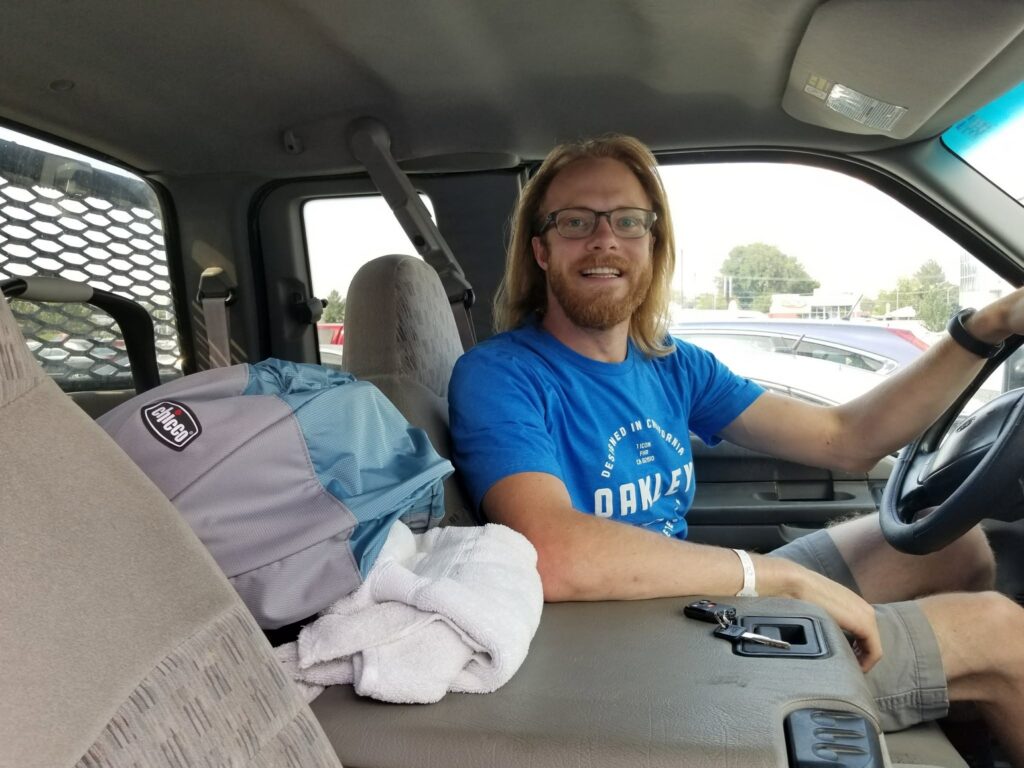
Photo Courtesy Recyclops
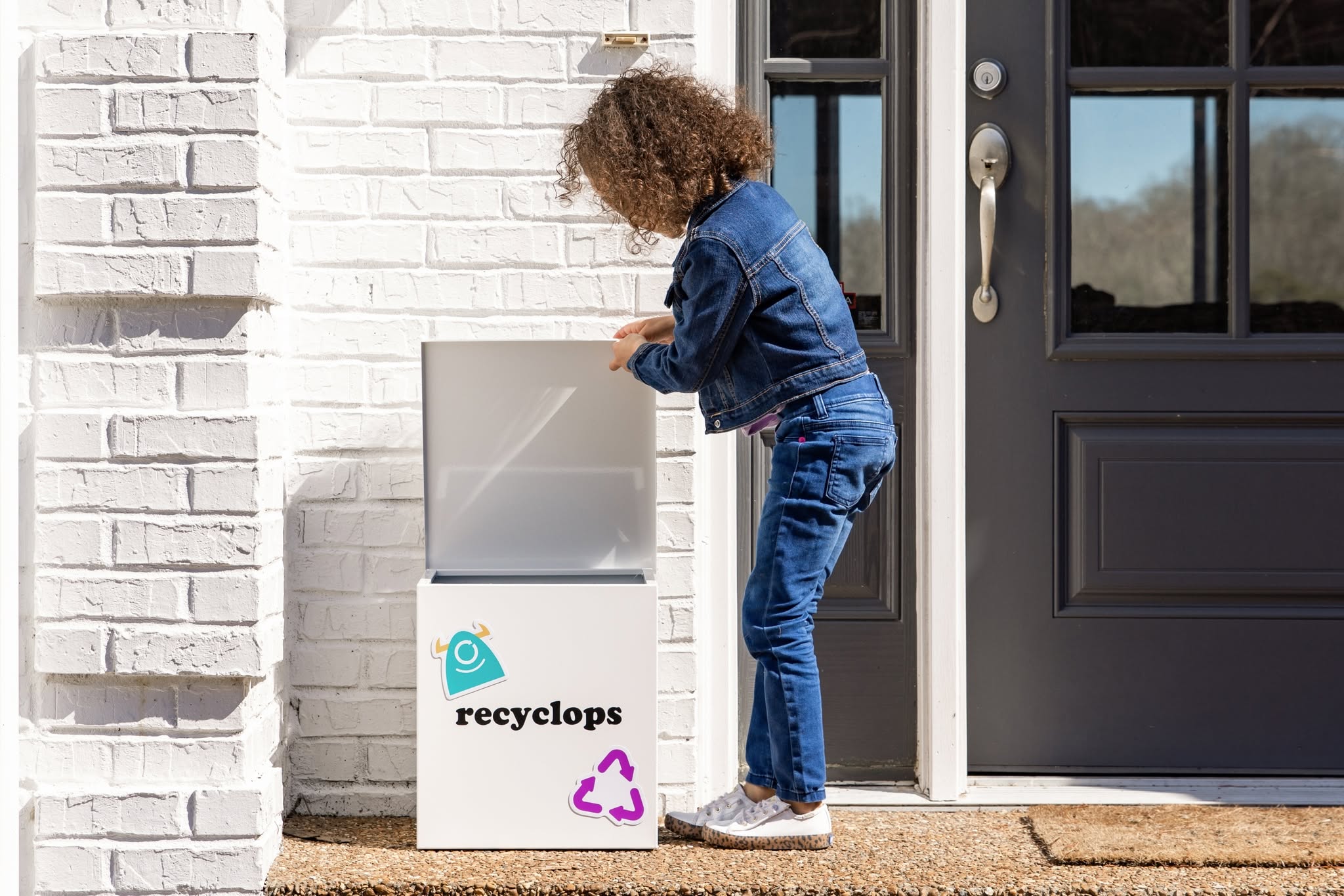
The answer Recyclops landed on is unusually low-tech at the curb and unusually software-driven behind it. Local independent contractors run routes in their own pickup trucks and SUVs, a model Forbes compared to an Uber for hauling recyclables. Households subscribe monthly, bag everything without sorting, and set it out. The company credits its peer-to-peer platform and smart routing technology with making the pickups work.
That structure is what makes the small markets viable. A municipal program requires a city-owned truck, a driver on the payroll, a route dense enough to justify both, and a capital budget. A neighbor with a truck requires none of it. Presenting the model to the Aitkin County Board in Minnesota, Smith described the effect plainly: “So it increases local job creation, decreases truck pollution, and lowers road damage.”
Two such drivers, named Gary and Debbie, are doing their part for the world while earning money. “We didn’t know what we were doing; we just knew it was a ‘feel good’ moment to know we were able to help redirect recycling items away from our community’s landfill,” the couple told Recyclops. “I never believed a company would emerge in these modern times that embraced locals like this.” Another driver, Robert, said, “What I love about my job is the customers; they appreciate my service for picking up the recycling, and they give me good compliments. I chose Recyclops for a job to help out in the community, making everyone happy, including me.”
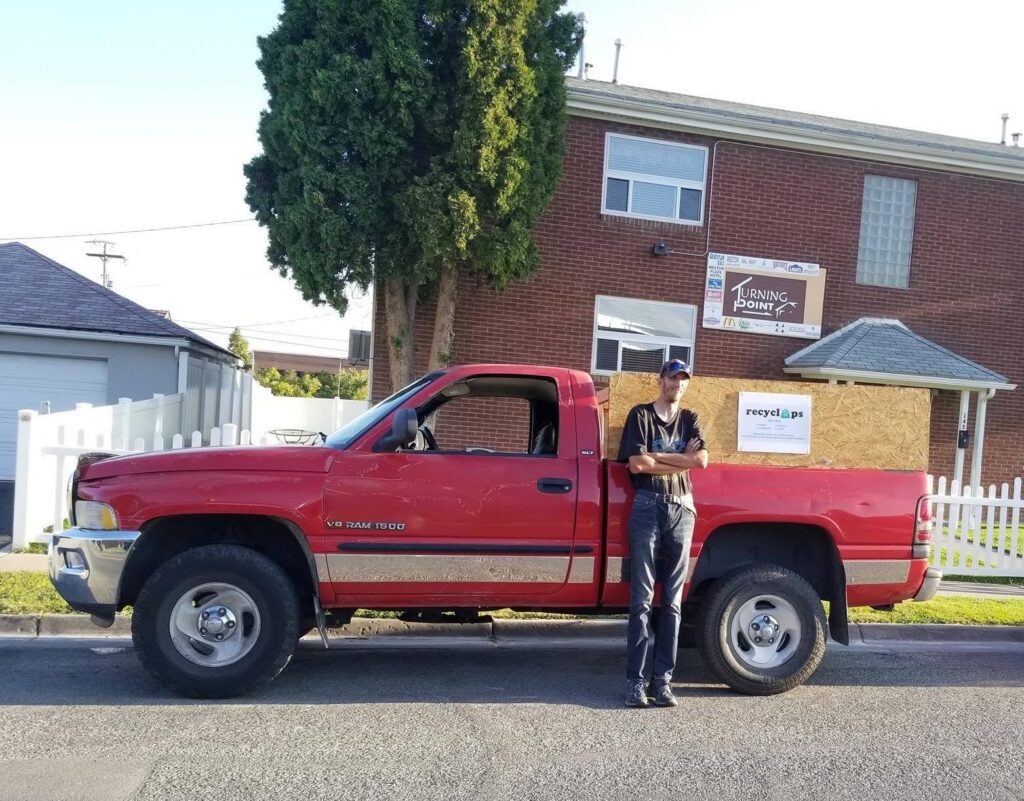
Photo Courtesy Recyclops
The company started with apartments in Provo, Utah, moved into cardboard recycling for businesses, and then acquired a curbside program in a neighboring town. That acquisition became the template for everything since. Recyclops says its foundation is in Salt Lake City. However, the company itself is fully remote, a structure it credits with enabling it to expand into areas where curbside recycling is not available. “We operate in suburban centers that are a little bit off the beaten path from the big cities, as these areas typically don’t have access to recycling,” Smith told Forbes. Overall, the business claims, “We recycle 30% more than the average municipality.”
Its national footprint has grown to more than thirty states, while its home-state footprint has since grown to 22 service areas listed on the company’s Utah page, running from Cedar City and Kanab in the south to North Ogden and Plain City in the north, with Sanpete, Duchesne, Uintah, Summit, and Wasatch counties in between. Recyclops has partnerships with the Vernal and Nephi city governments, though residents still register individually.
In Wasatch County, the Park City nonprofit Recycle Utah tells residents outright that the county does not offer recycling and points them to Recyclops as the residential curbside option. Only about 20% of homes in Wasatch County recycle regularly, Smith told KPCW last summer. Recyclops also provides services in the community of Midway, where Mayor Celeste Johnson explained her desire to protect the local environment: “It really is about protecting our agricultural community and making sure that we have positioned ourselves so that if there ever came a time when we had to support ourselves with our own food, we could do that.”
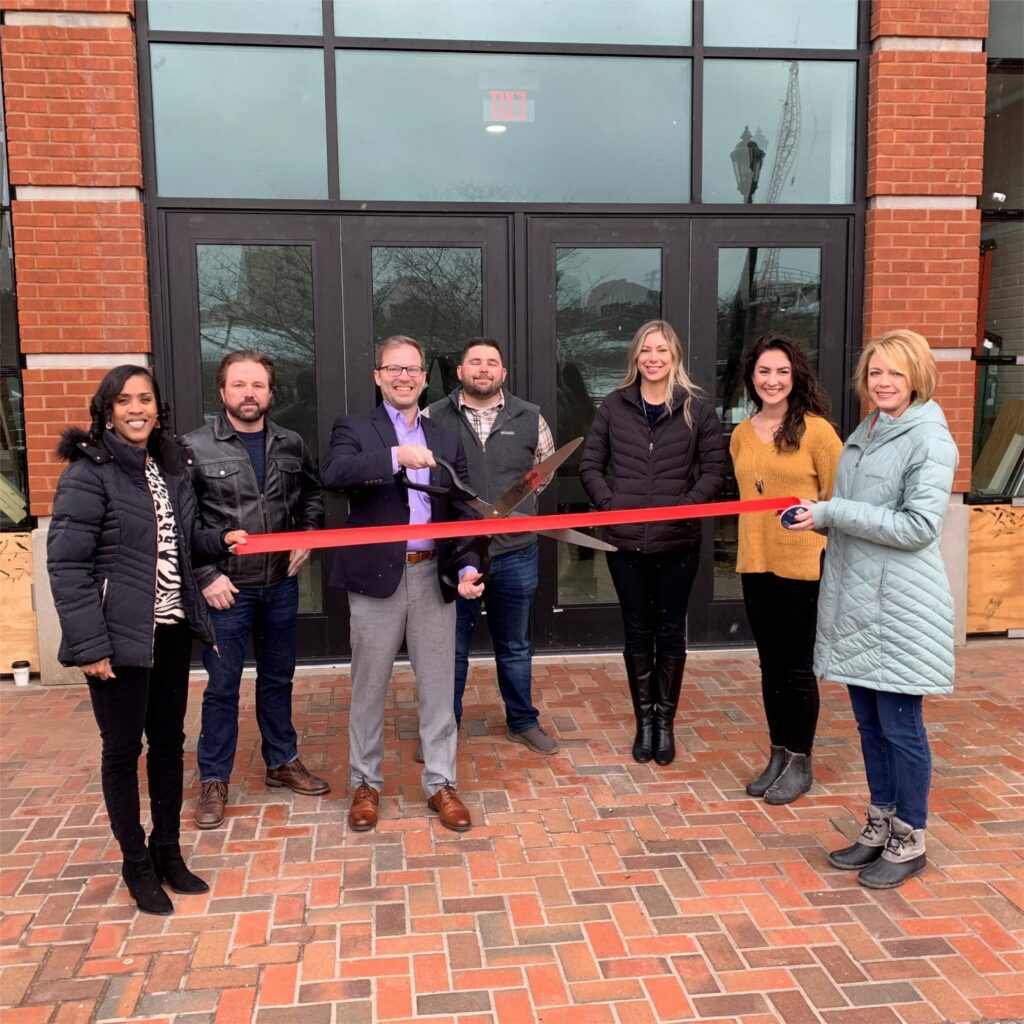
Photo Courtesy Recyclops
The harder problem is everything a city’s curbside program leaves out. Recyclops built a service called Recyclops+ around exactly that: plastic bags and film, clothing and textiles, lightbulbs, batteries, styrofoam, and clamshells, collected from the doorstep. It was piloted in the Salt Lake and Utah counties area.
The company is specific about where it all goes. Plastic films are used in construction and building. Clothing in good condition is sold to thrift buyers or donated. Lightbulbs are processed into parts, recovering as much glass, metal, and rare earth material as possible. Batteries are shredded, melted, and separated into component metals. Clamshells are reprocessed into pallets that can be used to make new clamshell containers.
That work has pulled Recyclops into the state’s broader recycling infrastructure. The Utah Recycling Alliance named the company among the partners handling bulk collection at its 2025 Collection of Hard-to-Recycle Materials (CHaRM) events. The nonprofit says these pop-up community recycling events, where items not accepted by traditional curbside collection programs can be handed off, gathered more than 34,000 pounds statewide, up from 22,000 pounds in 2024.
In February 2023, Recyclops also joined Park City battery maker Pale Blue Earth and Recycle Utah to put used-battery collection sites across Summit County, timed to National Battery Day. Working with Vail Resorts and the Park City School District, the partners placed collection sites marked with a green bucket and sign at the base of the Cabriolet at Canyons Village and at seven schools, with the Pale Blue and Recyclops teams collecting the batteries and delivering them to Recycle Utah.
According to a 2020 Alkaline Batteries Industry Report, Americans buy 5.4 billion single-use batteries every year and throw out 10 million daily. The reason it matters locally is groundwater. “Batteries contain toxic chemicals that can leach into our groundwater when they end up in our landfill. In Utah, our water resources are already very limited. That’s why it’s so important to recycle your batteries,” Addison Marr, Communications and Development Director at Recycle Utah, told TownLift.
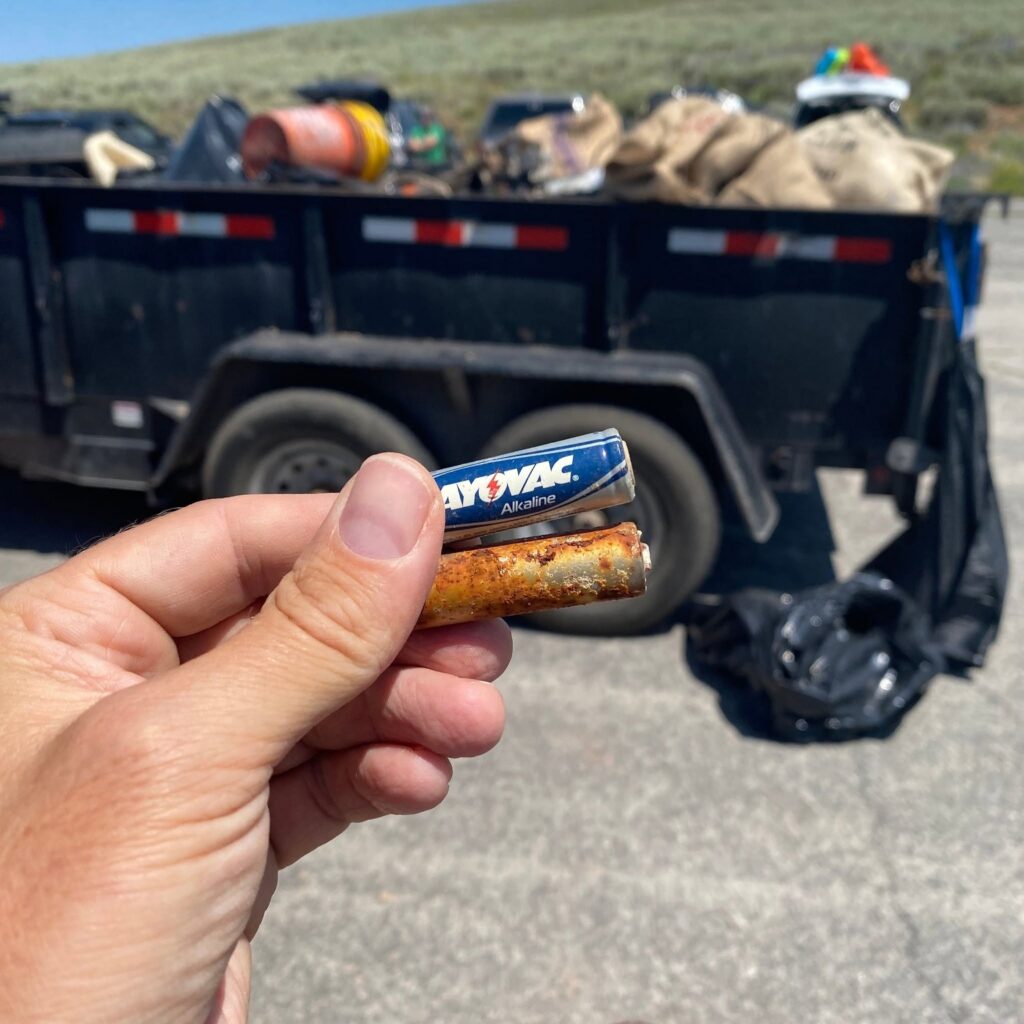
Photo Courtesy Paleblue
Recyclops reports recycling roughly 6.7 million pounds of cardboard, aluminum, plastic, and glass in 2022 alone, “equivalent to the weight of over 763 elephants,” and that its residential programs and enterprise partnerships reach over one million households.
What has not changed is the posture. When making his proposal to the Midway City Council, Smith framed the idea as an invitation rather than a requirement. “I feel really strongly that we don’t want to force anyone to do anything that they don’t want,” he told KPCW. “But what we are interested in is increasing participation, and making sure that people who are interested, but haven’t gotten around to signing up or didn’t know about it, that those people have the convenience of it just being there for them.”