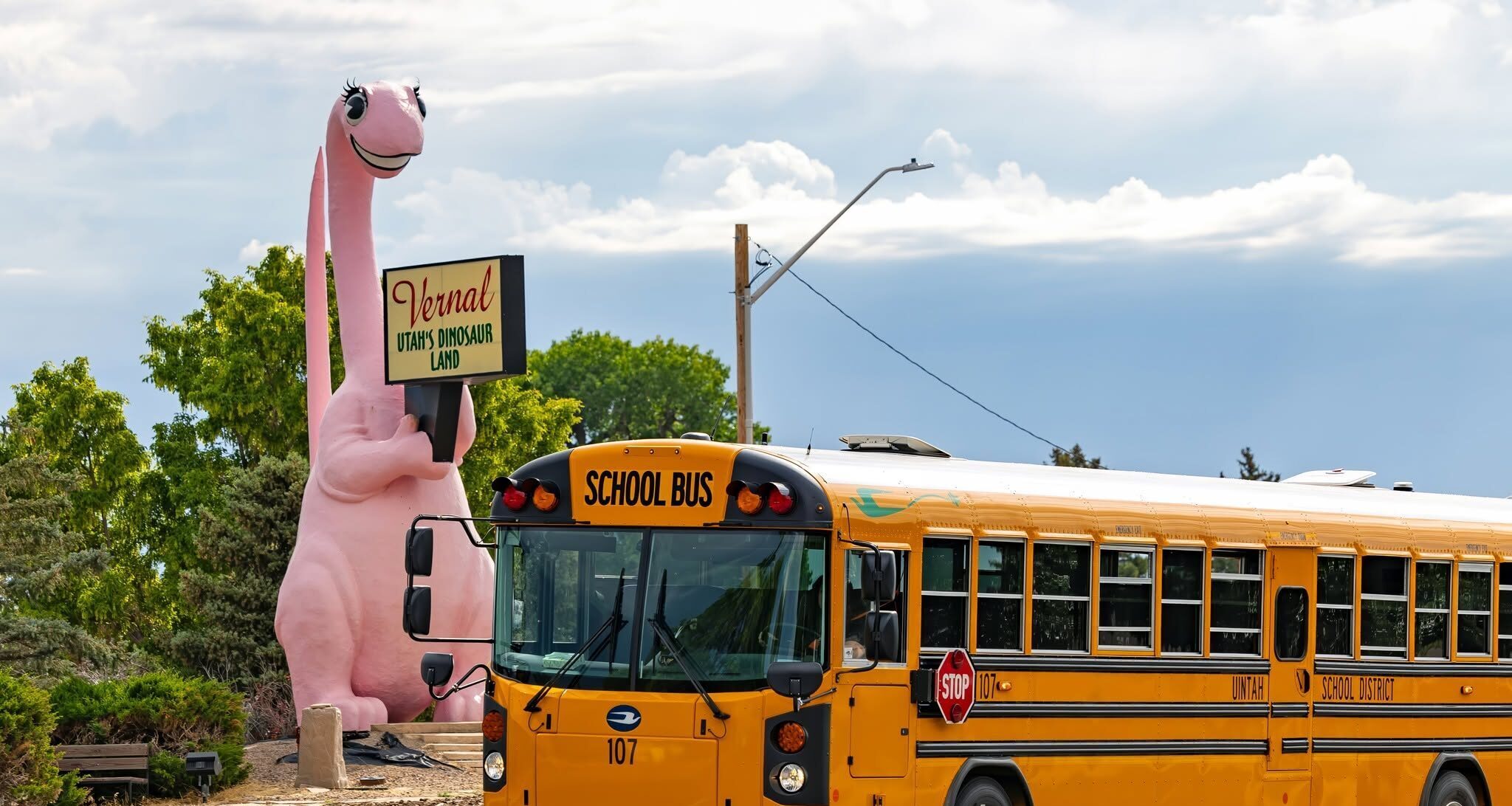
In Vernal, Utah, electric school buses roll past Dinah the Pink Dinosaur, a big roadside sign that reads “Vernal: Utah’s Dinosaur Land.” Inside the town’s school bus garage, maintaining 10 buses in the fleet has become much simpler. “There’s no oil changes,” Transportation Coordinator Mark Rich told KUER in January 2025. “About the only thing that’s required of us to do is to put grease in their fittings and so forth about every 5,000 miles.” Those 10 buses are electric, and they belong to the Uintah School District, which runs them on neighborhood routes in the heart of Utah’s oil and gas country.
The idea to go electric came from an unexpected source. In October 2022, Superintendent Dr. Rick Woodford explained to KSL, “Our decision to apply for this funding was based, in part, on a letter the district received earlier this year from the Utah Petroleum Association encouraging us to electrify our fleet and look for other ways to reduce emissions and improve air quality in the Uintah Basin.”
Utah Petroleum Association President Rikki Hrenko-Browning sent the letter, encouraging “any efforts made by the local area to reduce emissions that impact our air quality, and particularly those that lead to our winter ozone challenges, such as diesel emissions,” according to Utah Clean Cities. When the U.S. Environmental Protection Agency (EPA) announced its first round of Clean School Bus awards in October, Uintah and Tintic were the only two Utah districts on the list.
The decision was not automatic. Board members weighed the health and safety of students and drivers alongside the oil and gas industry’s importance to Uintah County’s economy, Utah Department of Environmental Quality (DEQ) spokesperson Matt McPherson told ABC4. “All things considered, I believe our board members made the right decision for the good of our district, our students, and our community,” Woodford said in August 2023.
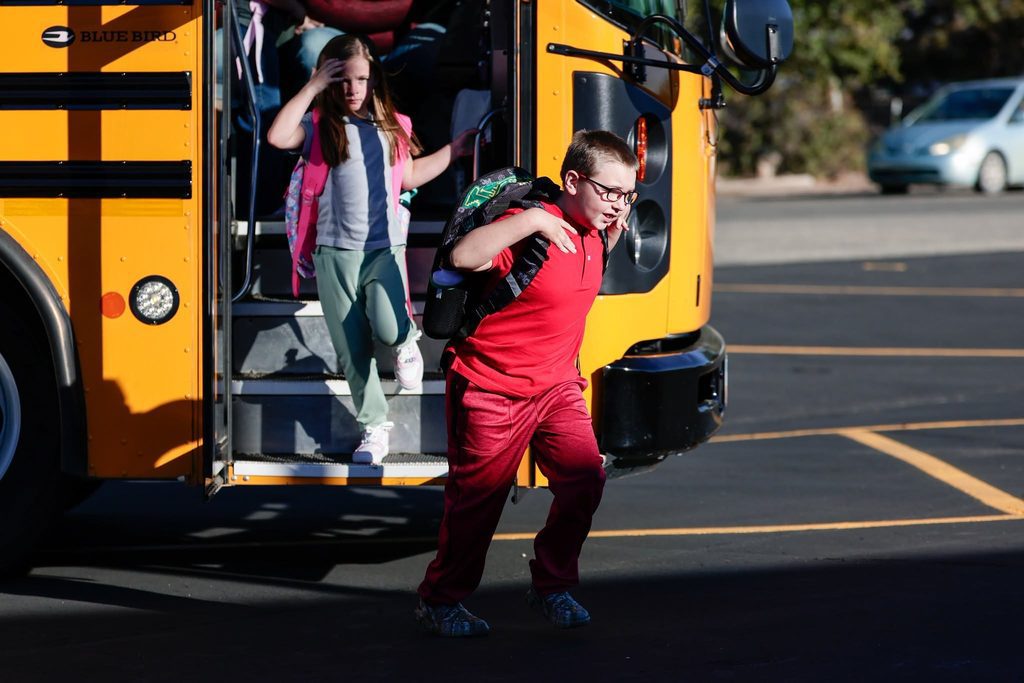
Photo Courtesy Uintah School District
The funding came from two sources. Through the EPA program, the district received $3.95 million for 10 buses, including $200,000 for charging equipment. DEQ’s Division of Air Quality added $957,000 for the buses and $541,000 for charging from Uinta Basin oil and gas settlement funds. DEQ, working with the TriCounty Health Department, lined up projects including the Uintah School District’s bus replacement and more electric vehicle fast chargers in the area. Another project, a paved trail that lets students walk or bike to Discovery Elementary School in Vernal, eliminated 40 to 50 vehicle trips a day, according to DEQ.
In exchange for EPA funding, the program’s rules required the district to scrap 10 diesel buses built in 2010 or earlier and keep the new buses in service for at least five years. A 2024 review by Utah Clean Cities estimated the buses save the district about $65,000 a year in fuel and maintenance costs. Woodford said the 10 new buses meant “the district is saving local taxpayers more than $1 million over the next three years that would have otherwise gone to purchase route buses on our regular replacement schedule.”
The buses went into service for the 2023-24 school year, with each averaging about 60 miles a day, the Utah Clean Cities review found. Over that first year, the 10-bus fleet covered 94,769 miles and avoided an estimated 15,795 gallons of diesel, as well as about 160 metric tons of greenhouse gas emissions. At the time, the buses relied on slow 220-volt charging. The district installed fast chargers in September 2024, and the buses now fully recharge each night. Uintah’s chargers can also send power back to the grid, though the district does not currently use the feature, the Utah Clean Cities review notes. The district still uses diesel buses for long trips to the Wasatch Front, while the electric buses remain on local routes.
Drivers also liked how quietly and smoothly the buses ran, and their torque for climbing hills, Rich told Utah Clean Cities. Some began tracking how much charge they could regain through regenerative braking before returning to the garage.
The buses themselves are American-made. The district chose Blue Bird electric buses. Blue Bird was founded in Fort Valley, Georgia, in 1927 and manufactures its Vision Electric bus there. In August 2026, a statewide public vote named the bus “The Coolest Thing Made in Georgia.” Blue Bird also describes itself as the only U.S.-owned and operated school bus manufacturer.
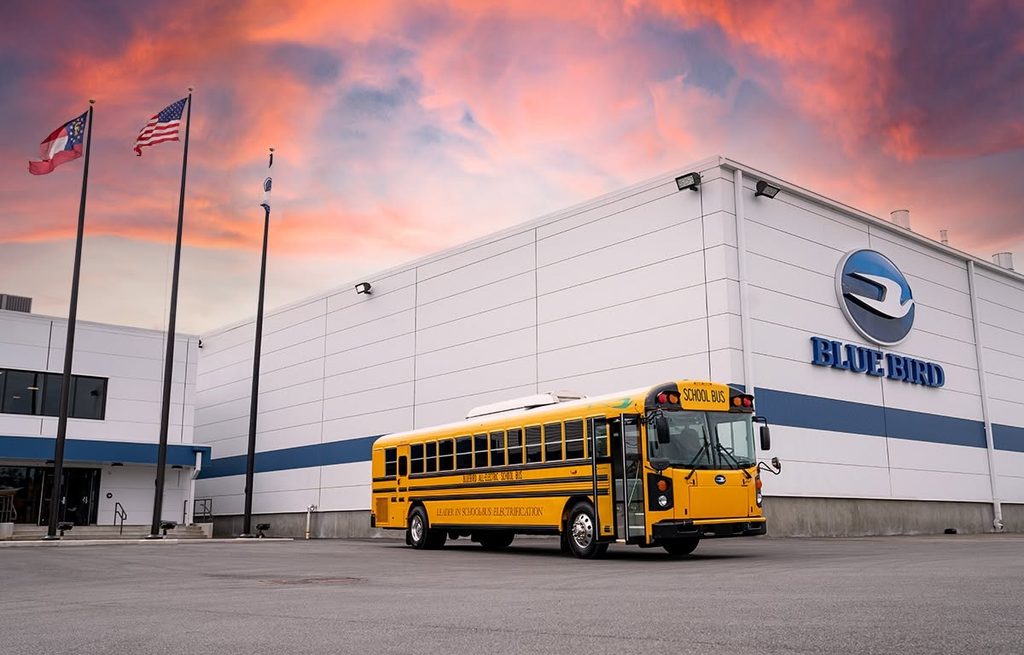
Photo Courtesy Blue Bird Corporation
The air quality problem is regional. In the Uinta Basin, ozone tends to build in winter, when cold-air inversions trap emissions from oil and gas production near the snow-covered ground and sunlight reflects off the snow, DEQ explained in its 2022 report. In that same report, the agency said the basin appeared to have met the federal ozone standard, and it committed to continuing to work on emission reductions. “These zero-emission electric buses will reduce greenhouse gas emissions and eliminate exposure to harmful pollutants such as soot, fine particulates and nitrogen oxides,” said KC Becker, EPA Region 8 administrator.
Other Utah districts can follow suit. Through its Clean Fleet Program, DEQ’s Division of Air Quality reimburses fleet owners for up to 90% of the cost of new electric school buses, depending on the vehicle and whether an older diesel is scrapped, and one of its funding sources, the Climate Pollution Reduction Grant (CPRG) Implementation Grant, covers up to $405,000 per electric school bus and supporting costs. For districts where electric does not fit, the program also helps fund new diesel, low-emission diesel and compressed natural gas buses.
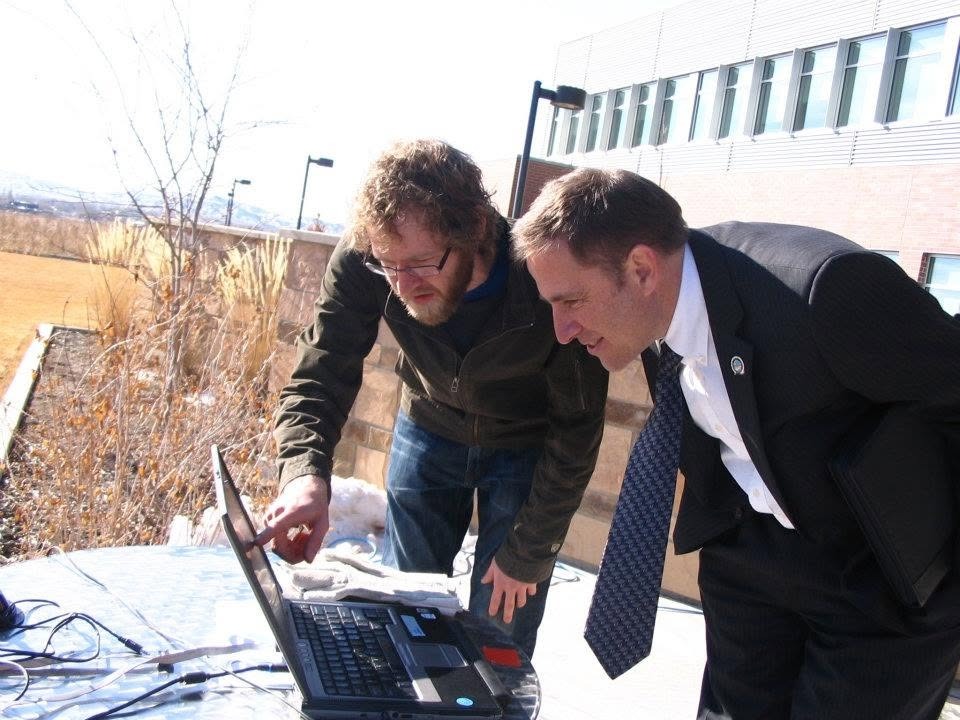
Photo Courtesy Utah Department of Environmental Quality
Drivers elsewhere in the state have warmed to the technology. According to DEQ, Salt Lake City School District put Utah’s first electric school buses on the road. Its transportation director, Ken Martinez, told KUER, “I have drivers waiting and wanting and wishing they could get on an electric bus.” Uintah, meanwhile, received another $690,000 in 2024 for two more clean school buses, according to the EPA. Deseret News reported that those two buses would be electric.
Rich expects the buses to keep improving. “I do think that we’re on the front end of this,” he told KUER. “I think the technology is probably getting better.”