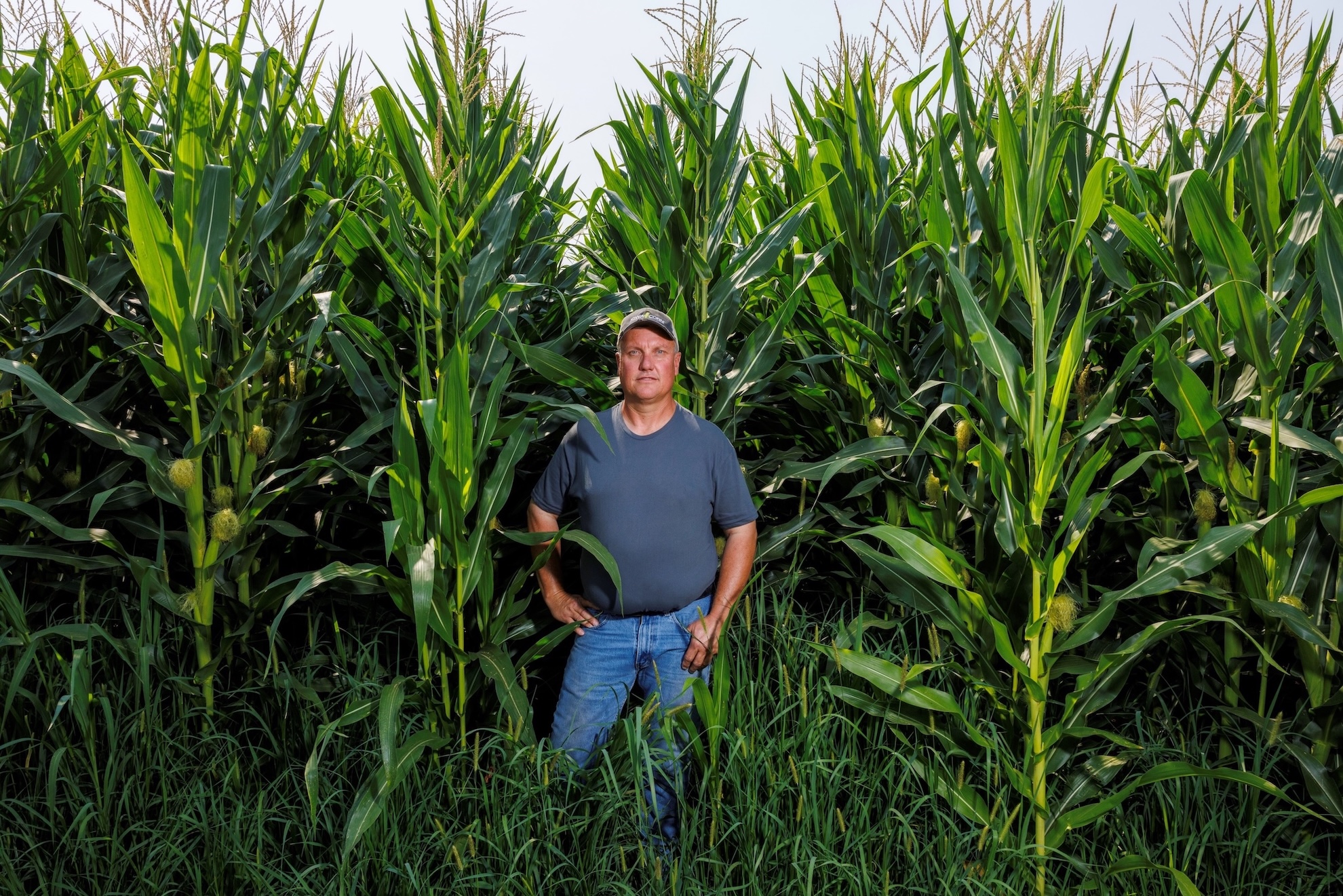
Iowa farmer Steve Kuiper grows dent corn, a category of field corn with a high soft-starch content. Thanks to a $300 million biotech facility in nearby Eddyville, Kuiper’s harvest now serves as a foundational ingredient for products spanning packaging, fashion and footwear, beauty and personal care, and automotive and electronics.
Kuiper, a fourth-generation farmer, is one of dozens of local growers supplying Qore, the new bio-industrial facility that produces a plant-based chemical called QIRA. “Our community is proud to play a vital role in making everyday products more sustainable,” Kuiper said. The plant, a joint venture between Minnesota-basedCargill and Germany-based HELM, is now shipping its product to consumer brands across the country.
For Cargill, the Eddyville expansion is the latest chapter in its centuries-long history in Iowa. The company traces its origins to 1865, when William Wallace Cargill bought a grain flat house in Conover, a tiny railroad town in Winneshiek County, Iowa. Conover is a ghost town today, but the business that started there has been operating in Iowa ever since.
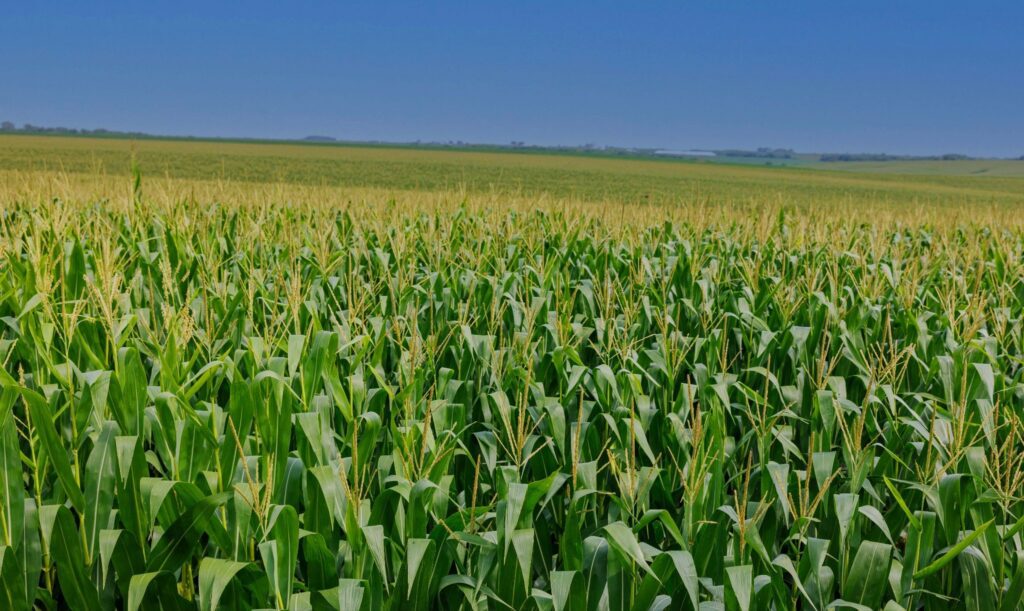
Photo Courtesy QIRA
Eddyville: 40 years of building
Cargill’s Eddyville corn milling complex anchors that footprint. Opened in 1985 on 320 acres, the plant began with 100 employees grinding 60,000 bushels of corn daily into sweeteners, ethanol, livestock feed, and corn oil. Over the past three decades, Cargill has added about 500 workers to the Eddyville payroll. By 2015, the site was grinding roughly 275,000 bushels of corn per day, more than four times its original capacity.
Eddyville is the reason Cargill is, according to local writer and storyteller Darcy Maulsby, “the single largest direct purchaser of corn grown in Iowa.” Laura Hatcher, the company’s U.S. Bean Merchandising Leader, told the Iowa Food and Family Project that the Eddyville plant “supplies enough feed to nourish 1 million head of cattle.”
How QIRA works
The new Qore plant uses Eddyville’s corn differently. Qore engineers transform dent corn sugars into 1,4-butanediol, better known as BDO, a building-block chemical used in spandex, bioplastics, and polyurethane foams. While BDO is traditionally made from fossil feedstocks, Qore’s version, branded QIRA, is produced from corn grown within roughly 100 miles of the plant.
That changes the supply chain math for the companies that use it. The LYCRA Company is incorporating QIRA into its LYCRA fiber. According to a cradle-to-gate analysis by Ramboll Americas Engineering Solutions, using QIRA to make LYCRA fiber can reduce its carbon footprint by up to 44 percent compared with fossil-based alternatives, without changing the fiber’s performance. Chemical giant BASF also signed a long-term agreement to incorporate QIRA into its derivatives portfolio.
By using corn-based materials, companies can ensure a reliable supply chain far into the future. Gary Smith, Lycra Company’s CEO, explained to the Iowa Capital Dispatch, “It’s not if, it’s when fossil fuels run out. We’ve done wonderful things of extending — fracking, horizontal drilling, shale oil, whatever — but there’s only so many dead dinosaurs in the ground.”
In fact, the Eddyville plant will produce 66,000 metric tons of QIRA per year, making it the largest facility of its kind in the world, according to the announcement. Trade journal Chemical & Engineering News described the project as “the largest single US investment in biobased chemicals in about 20 years.”
Qore CEO Jon Veldhouse framed the plant in terms of supply chain and national security. Currently, around half of the world’s BDO is made in facilities in China. QIRA, Veldhouse said at the launch, “helps global manufacturers and brands implement identical materials that reduce reliance on overseas supply chains.” Iowa Governor Kim Reynolds put it more plainly: “Iowa crops will not only feed and fuel the globe but sustain it.”
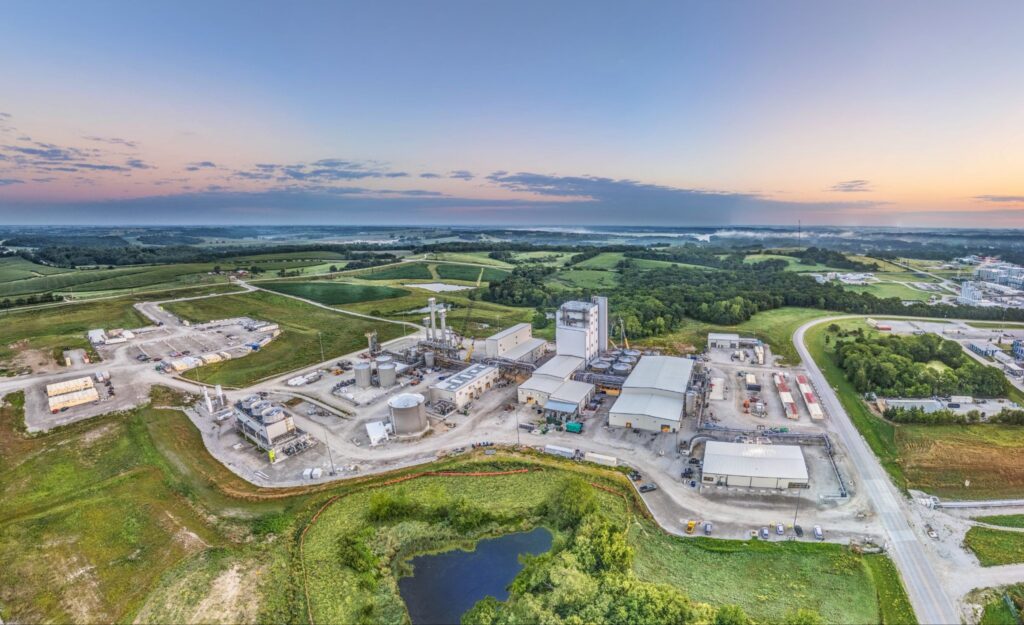
Photo Courtesy QIRA
A statewide footprint
Eddyville is the headline, but it is not the whole story. Cargill operates more than a dozen facilities across the state, employing over 1,900 Iowans. The list runs from grain elevators in Bettendorf and Muscatine to animal nutrition plants in Cedar Rapids, Sioux City, and West Branch, an egg processing operation in Mason City, and a soybean crush and biodiesel production plant in Iowa Falls.
That Iowa Falls biodiesel plant is itself a major asset. It is one of Cargill’s two soybean-based biodiesel facilities in the U.S., the other being in Kansas City, Missouri. The Iowa Biodiesel Board lists its capacity at 56 million gallons per year. That capacity feeds into a broader Iowa farm economy that depends on biofuels. According to a 2025 Decision Innovation Solutions study published by the Iowa Biodiesel Board, the Iowa biodiesel industry supported 1,198 full-time-equivalent jobs in the state, generated $92 million in labor income, and contributed nearly $1.5 billion in output to the Iowa economy in 2025. The board estimates the industry supported $1 per bushel for Iowa soybean farmers in 2024, totaling $598 million in value.
Cargill has also played a significant role in Eddyville’s economic development. In 2015, at the site’s 30th anniversary event, Iowa Governor Terry Branstad shared, “The campus’s growth has led to revitalization and increased economic development in the surrounding community. Because of the great careers at this campus, the area’s unemployment rate is down over 40 percent since I took office in 2011.”
The new Qore facility also further increases demand for local corn. In the face of several years of lower corn prices, farmers like Kuiper have been embracing new markets that will pay them more per bushel, from sustainable aviation fuel to QIRA production. He and other farmers now sell their full processing capacity at Qore.
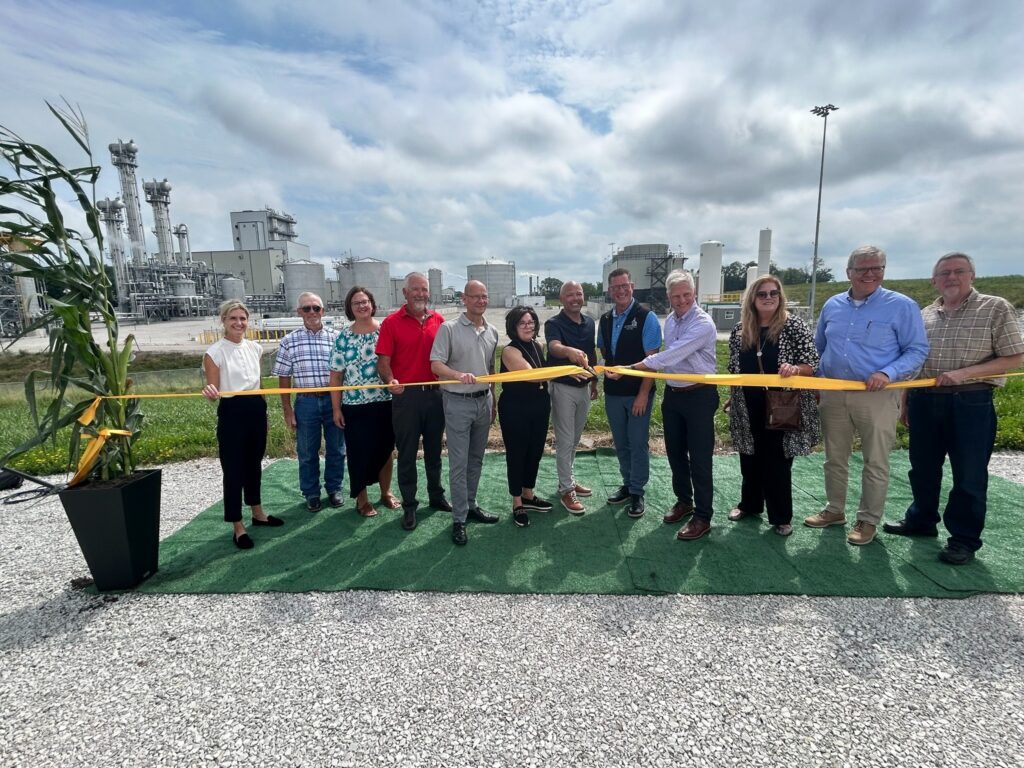
Photo Courtesy Iowa Economic Development Authority
Conservation as good business
Cargill’s Iowa work increasingly extends back to the field. In 2020, Cargill became the first corporate partner of the Soil and Water Outcomes Fund, a market-based program launched by the Iowa Soybean Association and Quantified Ventures. The fund pays Iowa farmers directly for adopting practices that improve soil health and water quality, then sells the verified outcomes to companies, cities, and agencies that need to meet sustainability commitments. It had enrolled 10,000 acres in Iowa at the time. Since then, the fund has enrolled 1.7 million acres across 21 states, paid more than $55 million to farmers, and sequestered 1.4 million metric tons of greenhouse gases.
About a year later, Cargill launched its own program, Cargill RegenConnect, which pays growers across the Midwest for measured outcomes from regenerative practices. The company has committed to advancing regenerative agriculture across 10 million acres of North American farmland by 2030.
The newest piece is the most significant for Iowa. In July 2025, Cargill and PepsiCo announced a strategic collaboration to expand regenerative agriculture across 240,000 acres of Iowa farmland by the end of the decade. The partners are working with local organizations such as Practical Farmers of Iowa to provide technical guidance, in addition to direct financial incentives to participating farmers as they add cover crops, reduce tillage, and cut nitrogen application. “This partnership is about delivering practical, measurable results, starting on the farm, where the food system begins,” Pilar Cruz, Cargill’s chief sustainability officer, said.
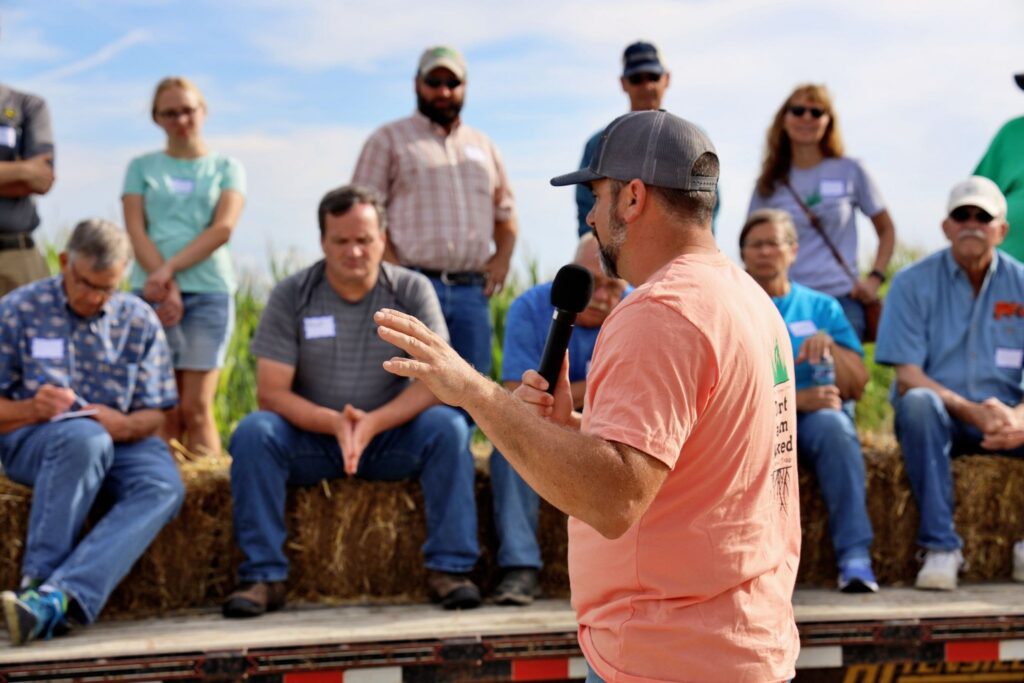
Photo Courtesy Practical Farmers of Iowa
The long arc
A century and a half ago, W. W. Cargill staked his future on a single Iowa grain warehouse. Today, Cargill is turning Iowa corn into a chemical that used to come from oil, while expanding its commitment to regenerative farming in the state. For Kuiper, the change is more concrete than that. His corn is going into products shipping to manufacturers and brands around the world. As Iowa Rep. Hans Wilz (R-Ottumwa) explained about Qore’s impact, “It’s farmers growing corn, it’s people having jobs, but it’s also sustainability and a cleaner way to do things — even in our clothing now.” Veldhouse elaborated, “We are answering the call for more responsibly sourced materials.”