When Utahns turned on their lights, ran their air conditioners, and powered their workplaces in 2025, they pulled more electricity from the grid than the state had ever used. Electricity consumption reached roughly 35,000 gigawatt-hours, a state record, for reasons any chamber of commerce would welcome: more people and more business. Utah was the fifth-fastest-growing state between 2020 and 2025, attracting over 44,000 new residents in a single year, and its economy grew about 30% faster than the national economy.
That demand has prompted a response. A new issue brief from Atlas Public Policy, Advancing the Future of Energy in Utah, finds that the state has quietly become one of the most active energy builders in the country. Atlas reports an estimated $17 billion invested in clean power generation through March 2026, plus another $1.6 billion in clean energy manufacturing. In fact, with $902 million in clean energy manufacturing investments announced last year, 2025 was Utah’s largest year for such investment since 2000.
The scale is easy to overlook because it happened quickly. Atlas identifies 8.5 gigawatts of net clean power capacity across 161 generation projects built through March 2026, which it notes is the “equivalent of more than three Hoover Dams,” with another 4.5 gigawatts planned or under construction through the end of the decade. The brief projects that more clean power capacity will come online each year between 2026 and 2028 than in any other year in Utah’s history. The projects are also more likely to be completed: only about 4% of proposed new clean power capacity in Utah has been canceled, versus 8% nationally since 2015.
A large part of the story is cost. The brief cites a June 2025 analysis by Lazard showing that onshore wind and utility-scale solar are the cheapest new forms of electricity to bring online. Logan Mitchell, a climate scientist and energy analyst at Utah Clean Energy, told the report’s authors that “wind and solar costs have fallen, leading to accelerated deployment, and right now we’re in the middle of the falling cost of batteries and seeing grids transform.”
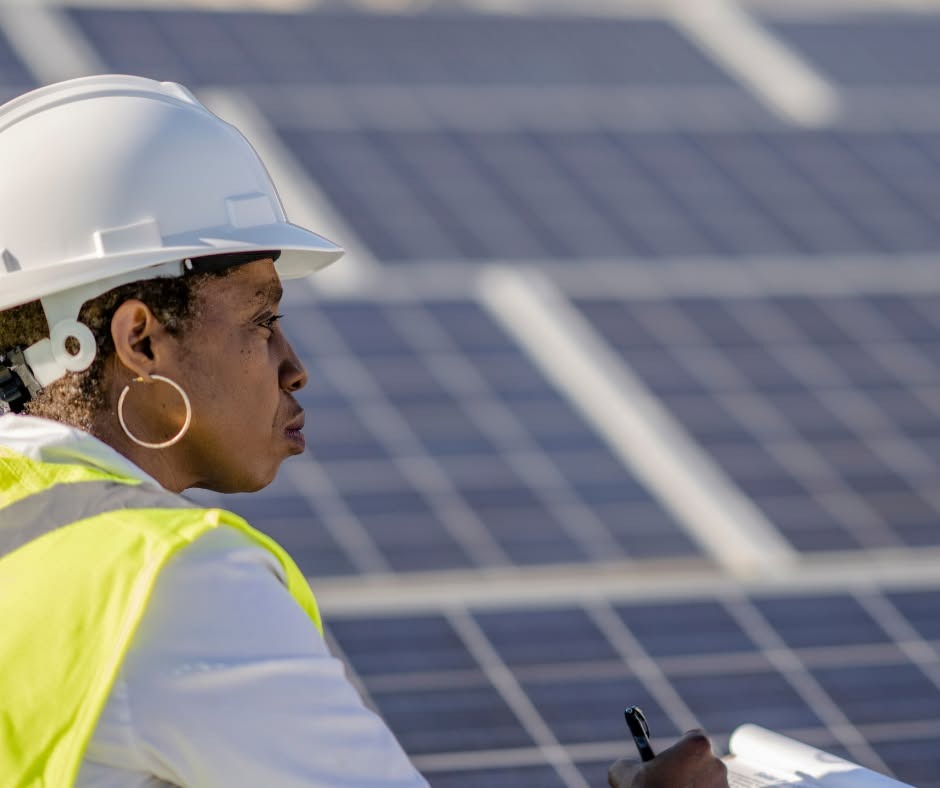
Photo Courtesy Utah Clean Energy
Part of what is driving this surge is the same force reshaping power demand nationwide. Utah is on track to almost quadruple its data center capacity by the end of the decade. Add a growing population and the retirement of older plants, and the state faces a widening gap between the existing generation and future demand.
Utah’s response is Operation Gigawatt. In October 2024, Governor Spencer Cox launched the initiative to double the state’s power production over the next decade. This “all-of-the-above” approach is built on four goals: expanding transmission, developing new generation, investing in energy research, and updating state energy policy. Gov. Cox said, “We will build upon Utah’s ‘any of the above’ energy policy with a ‘more of the above’ approach.” Atlas frames the rationale in plain terms: “Expanding energy production provides opportunities for additional economic growth, while reducing national security risks from dependency on volatile or otherwise unreliable foreign sources, ensuring the state has affordable, reliable home-grown energy.”
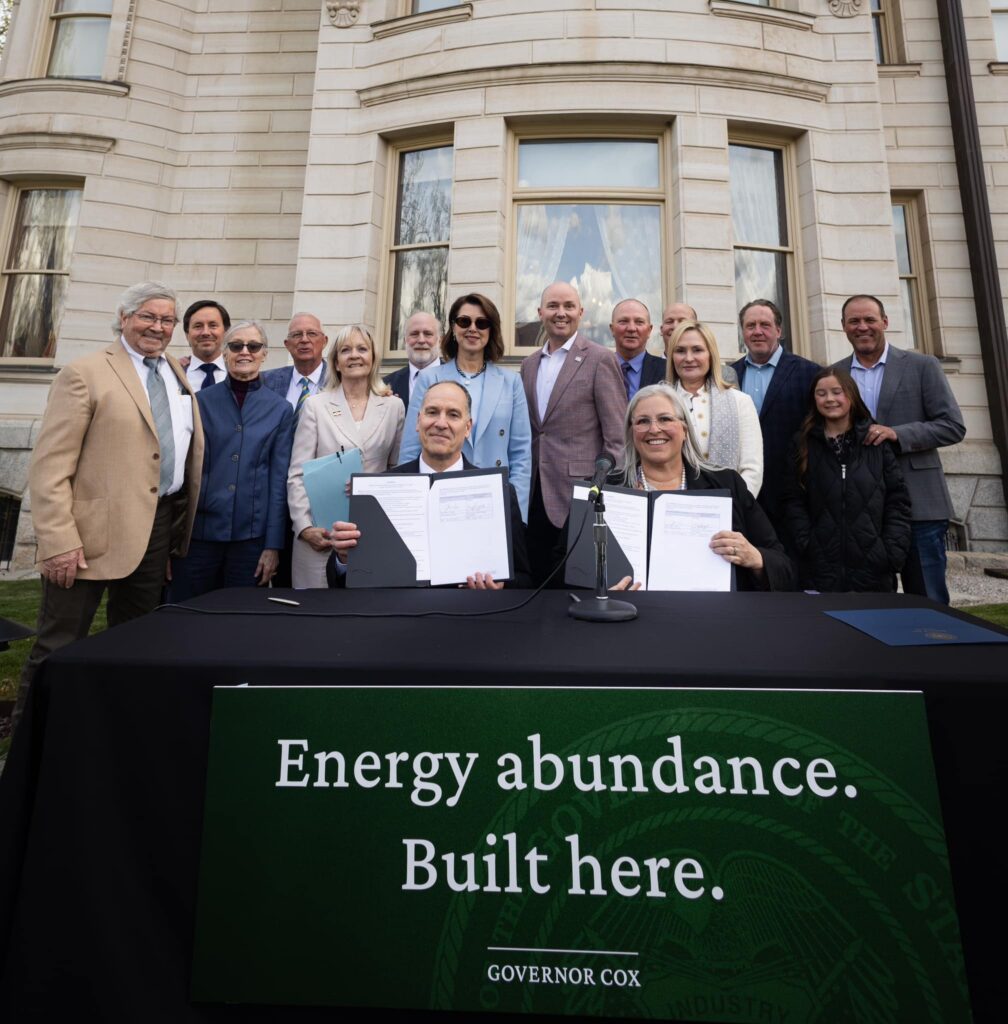
Photo Courtesy Gov. Spencer J. Cox
This buildout is both a major employer and an economic engine. Energy accounts for 5.4% of all jobs in Utah, and by the end of 2024, more than 93,000 Utahns worked in the sector. Atlas projects that clean energy manufacturing alone will add about 3,600 positions as more facilities come online, and that solar and battery projects in the pipeline will support close to 15,000 construction jobs. Beyond investment and direct jobs, a Weber State University economic impact study of 41 utility-scale solar, wind, and geothermal projects in the state found that they also support $244.6 million in economic output and $33 million per year in property taxes, revenue that supports rural county budgets, schools, roads, and other local infrastructure.
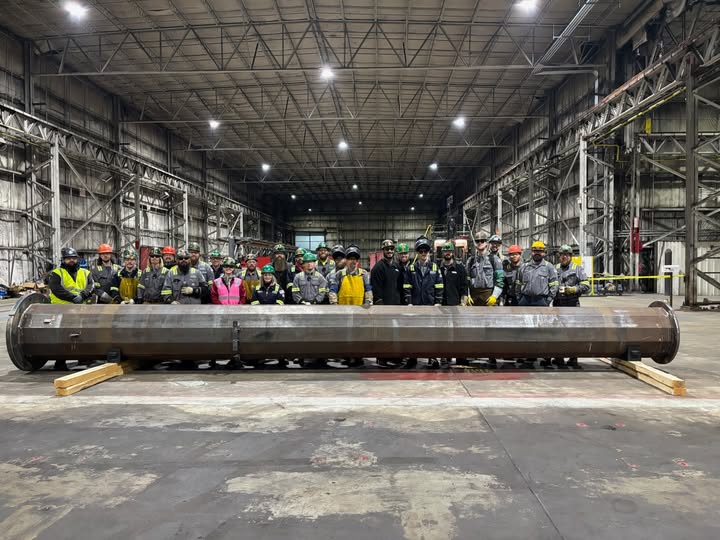
The clearest national-security thread runs through the ground itself. Atlas finds that critical minerals account for the largest category of energy manufacturing investment in the state, with $1.3 billion in announced investments. More than 28 federally designated critical minerals can be found in Utah, including lithium and rare earths, which are used in batteries, power electronics, solar technology, and nuclear energy systems. The state’s largest announced minerals project is A1 Lithium‘s $495 million Paradox Lithium Project, which will annually supply LG Energy Solution with up to 4,000 tons of lithium carbonate for use in electric vehicles and energy storage systems. Plus, a $410 million expansion of the White Mesa Mill will lift its rare earth output from roughly 1,000 tons a year to more than 6,000, increasing the domestic supply of materials that are currently processed largely overseas and have been imported by the United States for decades.

Photo Courtesy Energy Fuels Inc
Although solar PV and battery storage projects account for almost three-quarters of clean power capacity planned or under construction between 2026 and the end of the decade, Utah is also making early investments in next-generation energy technologies. Utah is one of only seven states with conventional utility-scale geothermal generation, while Fervo Energy is currently constructing the first large-scale commercial enhanced geothermal system (EGS) site in the United States, which it expects to come online this year. In 2024, the U.S. Department of Energy (DOE)’s Geothermal Technologies Office awarded Fervo its largest grant to date, $25 million. Since 2019, the DOE has also committed almost $300 million to research at the Utah FORGE laboratory to reduce the technological and financial risks associated with EGS.
With roughly 67% of Utah’s existing around-the-clock generation set to retire over the next 20 years, Utah leaders are also looking at advanced nuclear, including repurposing coal plants for new reactors to reduce costs. In partnership with Hi Tech Solutions and Holtec International, Brigham City will host Utah’s first commercial nuclear reactor plant, with deployment expected early in the 2030s. The state is also the third-largest uranium producer in the country.

Photo Courtesy Fervo Energy
For a state better known for red rock and ski runs, the Atlas brief tells a quieter story about what can happen when demand, resources, and long-term planning align. Utah, the report concludes, is positioned to lead in both today’s energy technologies and the ones that will power the next American economy. The authors wrote, “As power demand expands, population growth accelerates, and aging power plants retire, clean energy will play a critical role in addressing these pressures while maintaining affordable and reliable energy for Utah residents and businesses.”