Matt Polstein became a registered Maine Guide in 1981 and launched a whitewater rafting company in The Forks on the Kennebec River. He later moved the business downstream to Caratunk, where it grew so busy that the local post office had to expand to manage its mail, according to the U.S. Small Business Administration (SBA).
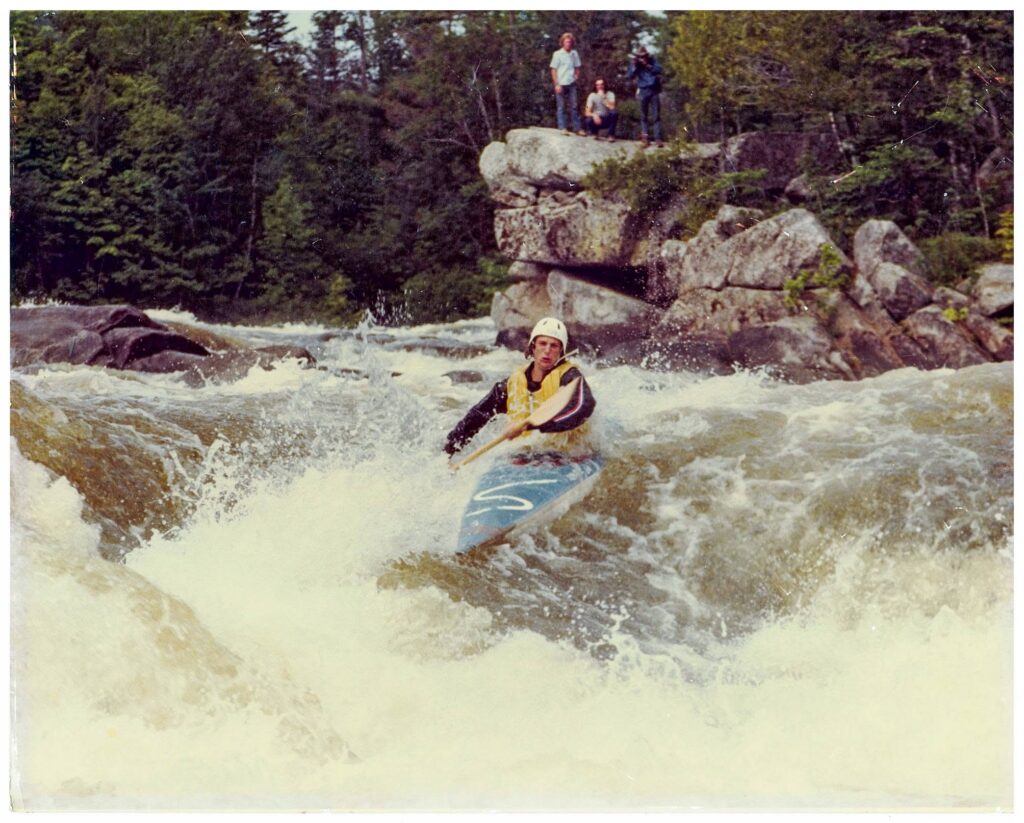
Photo Courtesy New England Outdoor Center – NEOC
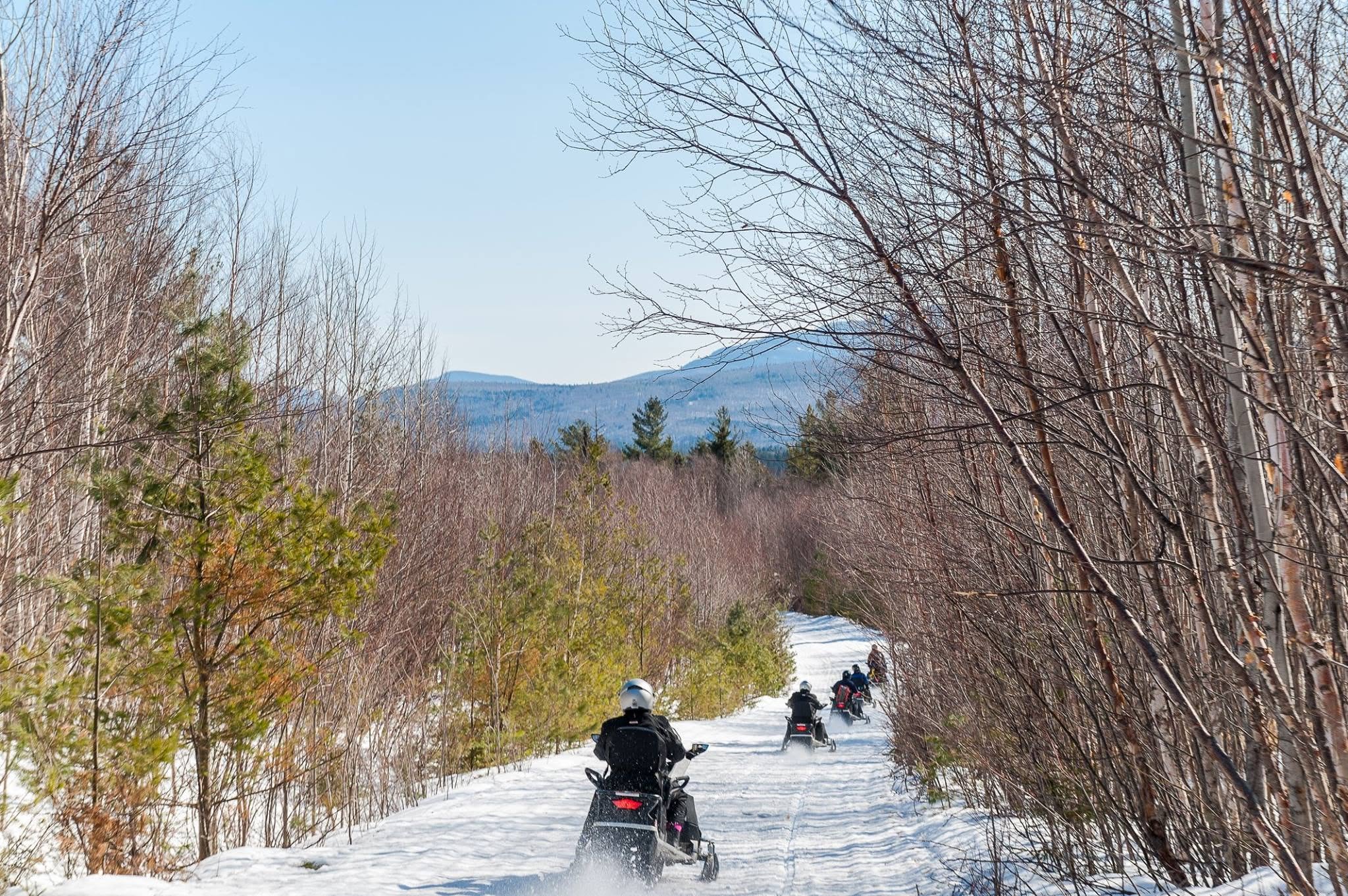
Four decades later, after selling the Caratunk business, Polstein runs New England Outdoor Center, a lakeside resort found “in the heart of Maine’s wilderness” on Millinocket Lake in the shadow of Mount Katahdin. The company offers a variety of activities including rafting, snowmobiling, hiking, fishing, wildlife tours, and lodging. The company’s own history traces the arc: a second property with cabin rentals and land for recreation in 1995; a 1,400-acre land purchase in 2005 to build a year-round ‘Adventure Center’; and, more recently, an event center, Knife Edge Brewing, and a wood-fired pizzeria.
This expansion took place as the town’s economy lost its main employer. Great Northern Paper closed its Millinocket mill in 2008, and the East Millinocket mill followed in 2014, a sequence Down East documented in its account of the region’s logging economy. By 2024, when the SBA named Polstein Maine’s Small Business Person of the Year, New England Outdoor Center had become “one of the largest employers in the Katahdin region, with 28 year-round employees and up to 64 additional part-time and seasonal employees in one of the most rural parts of the state.”
Running a resort across 1,400 acres of the North Woods means constantly moving people and equipment, and three of the vehicles doing that work are electric. Polstein told Efficiency Maine that each of his three electric vehicles (EVs) covers a different part of the operation: a work truck that pulls trailers up the Golden Road, on which “the traction is incredible; great for hilly roads in the winter.” A second is used for long-distance driving because “it charges super-fast and seamlessly.” The third shuttles cleaning supplies and equipment between camps. “All three vehicles need little service and save us money on fuel,” Polstein summarized.
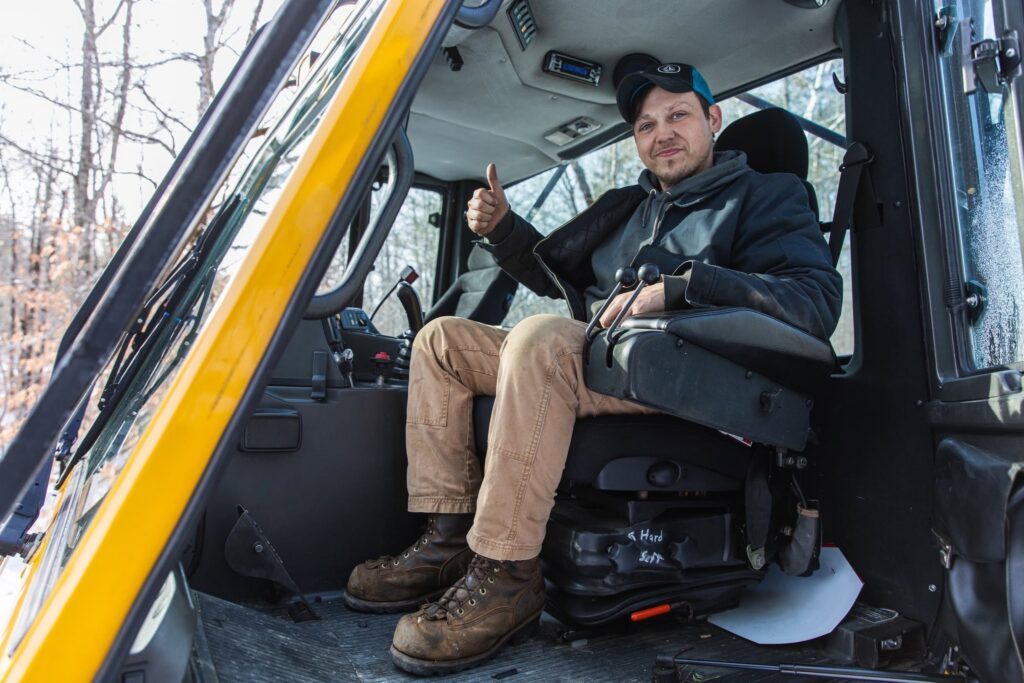
Photo Courtesy New England Outdoor Center – NEOC
The Golden Road is not a highway. Down East described it as a 96-mile private road built by Great Northern Paper to move timber and replace the river log drives. It runs northwest out of Millinocket past the southern boundary of Baxter State Park, along the West Branch of the Penobscot, and on to the Quebec border, and Down East called it “a key artery in what’s likely the nation’s largest private-road system, offering easy access to Maine’s north woods to anyone with even a decent sedan.”
That rough environment is what makes Polstein’s operations worth attention. Cold, hills, gravel, towing, and long stretches between service stops are the first objections raised whenever electric work trucks come up, and they are also a fair description of the conditions his trucks work in every day. Polstein is not selling vehicles. He runs a resort in one of the most rural corners of the state and is reporting what the equipment does for him. Efficiency Maine cites better winter traction, dependable acceleration when merging, lower maintenance costs, and the end of daily fuel stops as practical reasons hundreds of businesses and government entities in the state now run electric vehicles.
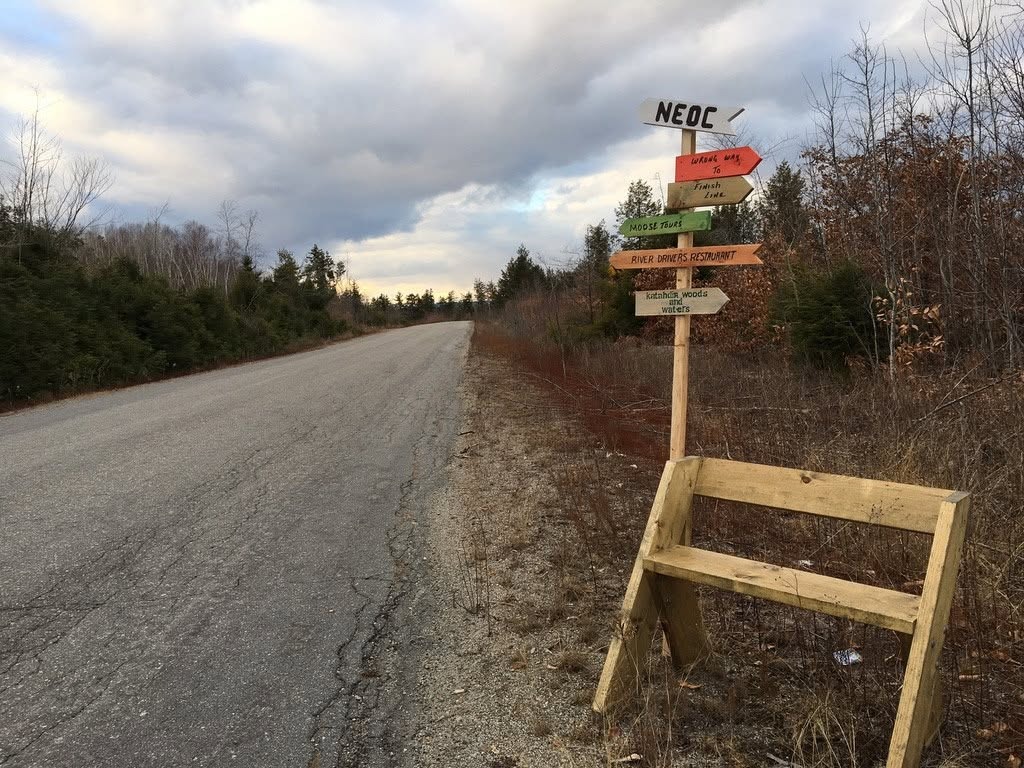
Photo Courtesy New England Outdoor Center – NEOC
When Baxter State Park headquarters added an EV charging station in 2017, the regional tourism group Destination Katahdin called it the northernmost in Maine. Millinocket has some of its own now. The Millinocket Memorial Library operates four public Level 2 chargers at 34 cents per kilowatt-hour, with an Efficiency Maine rebate covering part of the cost. More northern locations are offering charging stations, as businesses like New England Outdoor Center make the shift to electric.
Polstein’s company has always depended on the same asset the paper mill depended on: the forest itself. New England Outdoor Center describes stewardship of its 1,400 acres as part of the work: “We have the privilege of caring for 1400 acres of the Katahdin region. We’re honored to protect & preserve this remarkable place.” Its restaurant, River Drivers, carries the name of the crews who once rode timber down Maine’s rivers before the Golden Road put them out of that job. The road outlasted the mill it was built to feed. These days it carries a work truck that burns no diesel at all.
Photo Courtesy Gifford Electric