

In addition to being named Jeremy Barrett, he has a Ts’msyen (Tsimshian) name, Tsiin’gyimgm’aatk, which translates to “eclipse.” His Tsimshian language teacher chose it, he told the Ketchikan Daily News, “because she said I’m a force outside this world with our culture and how I’m teaching all my family — our language, to help keep it alive.”
That name now sits at the center of Tsiin Designs, the Alaskan-based company Barrett founded. A member of the Gisbudwada (Blackfish/Orca) Clan, he describes himself on the company’s website as “a Ts’msyen Formline artist, storyteller, and entrepreneur from Southeast Alaska.” Its BuyAlaska listing says the business “specializes in wearable art, accessories, and home goods that carry the spirit of the Northwest Coast.”
“Each item we create is made to order, ensuring that we only produce what is needed to reduce excess inventory,” Tsiin Designs states on its website. Customers therefore wait a bit longer, and the company asks for their patience, adding, “By choosing to support our made-to-order process, you are contributing to a more sustainable future while receiving a unique item that reflects our dedication to quality and craftsmanship.”
That approach stands out in an industry known for overproduction. A 2023 study by OC&C Strategy Consultants, conducted with trend forecaster WGSN, found that apparel overproduction ranges from 10 to 40 percent each year. The firm estimates that “15-45 billion items of clothing produced every year are wasted, mostly ending up in landfill or incinerated.”
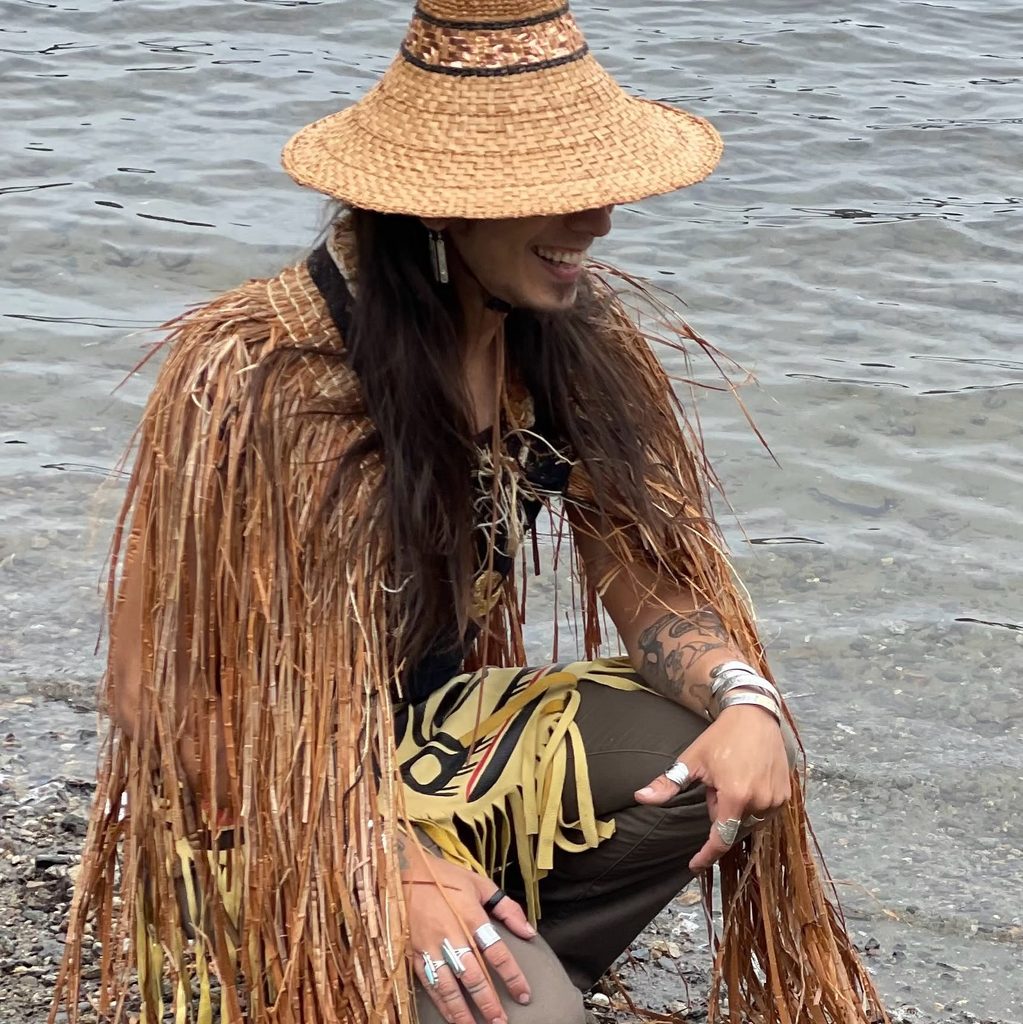
Photo Courtesy Tsiin Gyimgm Aatk
Barrett’s path into fashion began through his work in local tourism. With over 15 years of experience working at Cape Fox Corporation, first on the Cape Fox Lodge tram and then working his way up, Barrett eventually managed the corporation’s six retail stores and its online store. Cape Fox describes itself as “the Alaska Native Corporation for the village of Saxman.”
The idea for his own line took root in 2021, when he began managing those stores. While searching online for merchandise, he came across the work of Haida fashion designer Dorothy Grant. “I thought, ‘How cool would it be to have something in Ketchikan, or even in Alaska,’” he told the Daily News, “because Dorothy’s from Canada. So I just started designing clothes, and it took off.”
The first pair of shoes Barrett created set the rest in motion. The shoes carried artist Kenneth White’s Human Tinaa design, and a host of the Trend Alaska fashion show in Anchorage spotted them in the Cape Fox Lodge gift shop and invited Cape Fox to take part. At that year’s show, Barrett turned art by White, Miilgm Ts’amtii (Michael Milne), and Kyle Hudson into six outfits.
He returned in 2024 with eight more outfits. That collection, the Spirit of the Forget-Me-Not, took its inspiration from the forget-me-not flower in the Victims for Justice logo. That year, the show’s proceeds supported the group, which Cape Fox describes as “the only organization in Alaska that specializes in providing services for victims of violent crime.” The design still appears in the Tsiin Designs catalog on products like a comforter and a vanity license plate.
Cape Fox Commercial Services President Tim Lewis said of Barrett, “There are few people out there who could do this with zero background in the fashion industry whatsoever.” From the start, Barrett’s aim reached beyond his own line. “My mission with this clothing line is for people to see that our art is alive and thriving, evolving, and coming to life in more and more ways,” he said. “I want to get our artists’ names out there. I want people to reach out to these artists and help provide revenue for Saxman, Ketchikan, and Alaska.”
After the 2024 Trend show, organizers of Celebration, Sealaska Heritage Institute’s festival in Juneau, reached out to him, he told the Daily News. They said his line “would be perfect for what they are trying to do for Celebration, just functional everyday wear, Indigenous-related clothing and accessories.” Cape Fox announced that his team would take part in the Everyday Indigenous fashion show on June 7, 2024, at a festival Cape Fox calls “the largest gathering of Tlingit, Haida, and Tsimshian people in the world.”
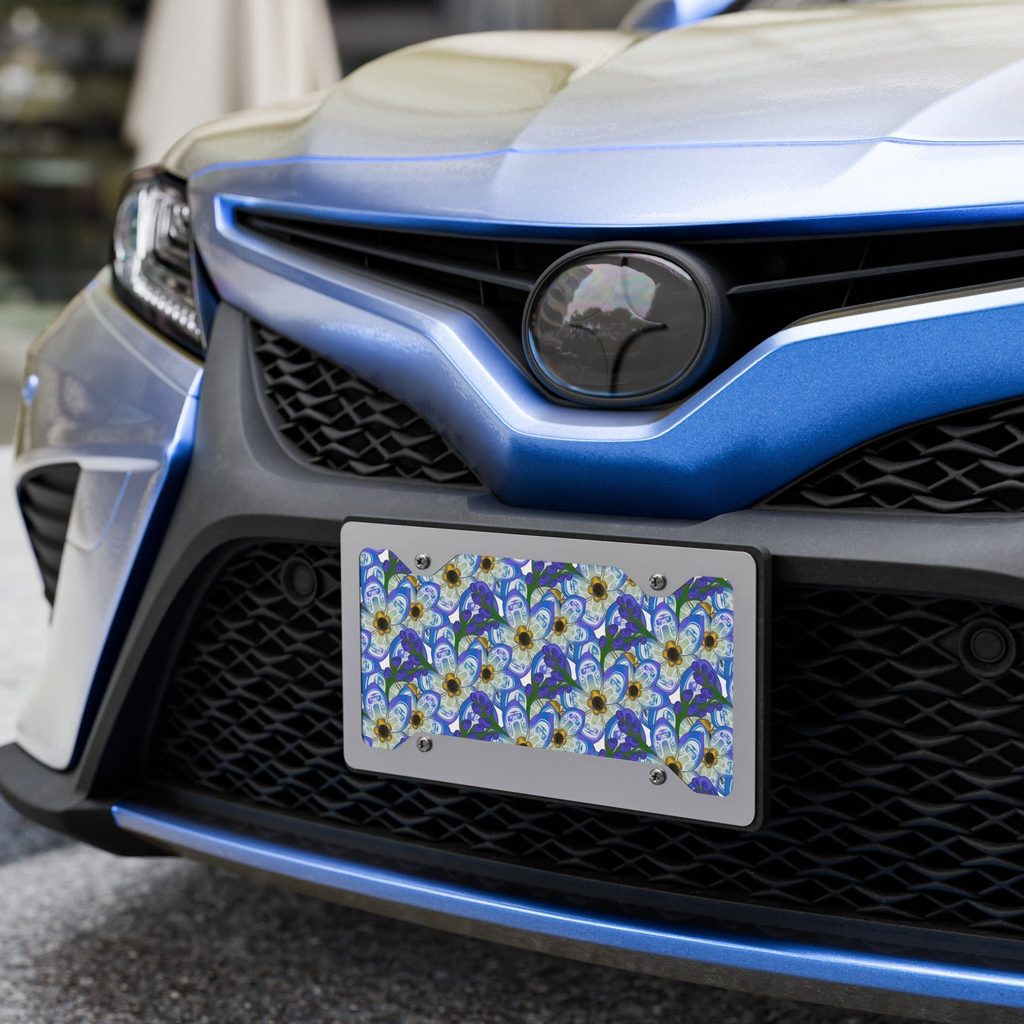
Photo Courtesy Tsiin Gyimgm Aatk
Barrett registered Tsiin Designs, LLC, on July 15, 2025. The company’s online shop now lists 493 items, including organic sweatshirts, shirts, and dresses, as well as comforters, placemats, notebooks, and metal prints. Its featured items include recycled scrunchies, a cedar version of which “brings the feeling of walking through a cedar grove, breathing easy, and letting the world settle,” and eco tote bags, one version of which displays all four elements revolving “around the central force of the land, not in opposition, but in harmony and movement, reminding us that balance is the oldest law of nature.”
That summer, Spruce Root named Tsiin Designs one of 12 finalists in the 2025 Path to Prosperity Business Competition. This Native community development financial institution supports entrepreneurs across Southeast Alaska. Sealaska and The Nature Conservancy launched the competition in 2013, and the 2025 cycle focused on “sustainable, regenerative, and community-led economic development,” Alaska Native News reported. That year, the program drew 42 applications from 14 Southeast Alaska communities, and finalists attended a four-day Entrepreneur Camp in Anchorage last October.
The catalog is built on collaboration. In his own words, Barrett describes the model plainly: “I work with local Alaska Native artists, use sustainable practices, and partner with local businesses because supporting one another strengthens the whole community.”
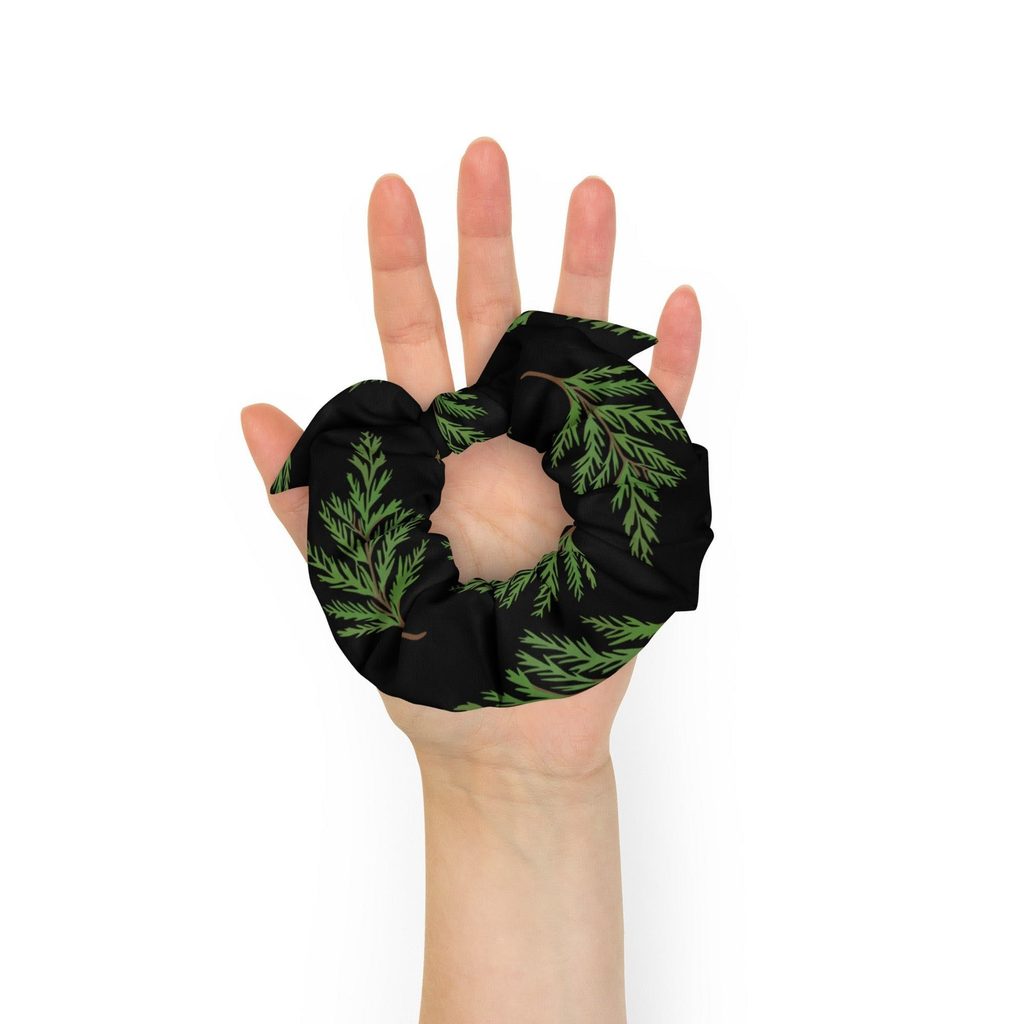
Photo Courtesy Tsiin Gyimgm Aatk
The art carries lessons. Much of the artwork comes from Milne, or Miilgm Ts’amtii (Dancing Lightning), a member of the Ganhada (Raven) Clan of the Tsimshian Nation who introduces himself on the Tsiin Designs website as “a formline artist, carver, illustrator, storyteller, and cultural dancer from Southeast Alaska.”
Milne started on formline at seven, picked up carving by twelve, and draws influence from “comic books and fantasy illustration.” He received the 2024 Presidential Award for Spotlight Artist of the Year from the Ketchikan Indian Community, and he is apprenticing with master carver Nathan Jackson to help recreate Saanya Kwaan’s Eagle Brother Pole. KRBD called Jackson a “renowned Tlingit master carver.” Milne wrote, “Since 2020, I have taught beginning formline to students in local elementary schools and seasonal programs in Ketchikan and Saxman. I believe that cultural knowledge must be lived, shared, and passed on—one ovoid at a time.”
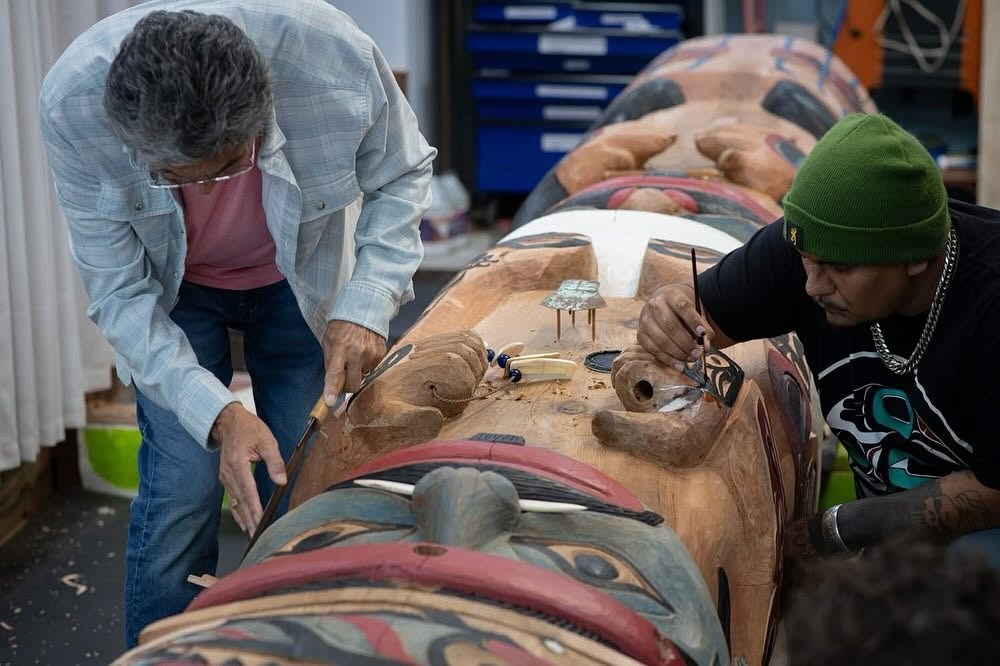
Photo Courtesy Miilgm Ts’amtii
The products carry those teachings forward. A file and book cover featuring a design of Raven the Berry Picker, the company writes, “honors a powerful teaching moment, a parent Raven guiding their child and showing them the ways of life. It reflects patience, knowledge passed through generations, and the quiet lessons learned by watching those who came before us.” On a mini duffle bag, the Copper Healing Hands design represents “support and compassion,” while the Hayetsk, or copper shield, “reflects leadership, generosity, and the strength found in uplifting others.”
Others support important causes. Most recently, in September 2026, the Orange Shirt Society approved Tsiin Designs as a licensed seller, meaning the business can use the “Every Child Matters” motto on products, spreading awareness about the “intergenerational impacts of Residential Schools, and promoting the truth that Every Child Matters.”

Photo Courtesy Tsiin Gyimgm Aatk
Barrett also stresses that the work is shared. “My art is not done in isolation,” he says. “I work closely with language keepers, Elders, and local Indigenous artists to uplift our traditions, revitalize our language, and bring cultural awareness to broader audiences.”
Barrett’s business partner, Tyler Johnson, is a Tlingit man from Saxman, and the two worked together in the Cape Fox retail stores. “I like to say I’m his cultural consultant,” Johnson told the Daily News. “I know a lot about Tlingit culture, and if he has any concerns about authenticity about art or language, I can really help.”
That attention to authenticity matters in a busy port. Ketchikan expected a record of more than 1.6 million cruise ship passengers this past summer, KRBD reported in March 2026. In 2023, the Alaska Beacon reported that as tourism rebounded, state and federal officials cracked down on fake Alaska Native art, including a case in which a Ketchikan man agreed to plead guilty to a scheme to sell fake Alaska Native souvenirs made in the Philippines. Meanwhile, the Tsiin Designs product pages credit artists by name.
For Barrett, the best reward is seeing “people walking around town with my clothes,” he told the Daily News. He recalled people wearing dresses with his designs on a canoe journey. “Every stop they took, they were constantly asked where they got that dress,” he said.
On the company’s website, he wrote, “This is more than art. This is community.”