In 1996, Sassan Mossanen and his wife, Kristy, moved “up the tracks” to the roadless country north of Talkeetna, Alaska–a historic railroad community that serves as a base for climbing Denali, North America’s highest mountain peak. Sassan told the Alaska Sporting Journal that after moving there, the couple led weeks-long mountaineering courses, and he later guided in the Alaska Range and climbed Denali himself. When he wasn’t sleeping in a tent, he and Kristy lived in a cabin they built. “We love the wilderness, and without it we would not be brewing here,” Sassan said. “There are far easier places to brew, but it’s not worth it if you don’t first love the place.”
Built on frontier grit, the couple later co-founded and opened Denali Brewing Company in 2009, before moving into a 30-barrel production brewery in late 2011, growth that the company says “facilitated the production of our signature brews and ensured the highest quality and consistency for our patrons and fans.” With roughly 70 employees, the company ranks as the largest employer in Talkeetna, a town of about 1,000 people, according to Resource Rural. Sassan told the publication, “If you want it to be a vibrant place, you need to create jobs. That’s a huge responsibility that we really feel honored to be a part of. It’s the greatest challenge we have, but it’s also the most rewarding thing that we do.”
The operation also produces spirits under the Denali Spirits label, along with cider and mead at Alaska Ciderworks & Meadery. The company says it is on its way to becoming 100% employee-owned.
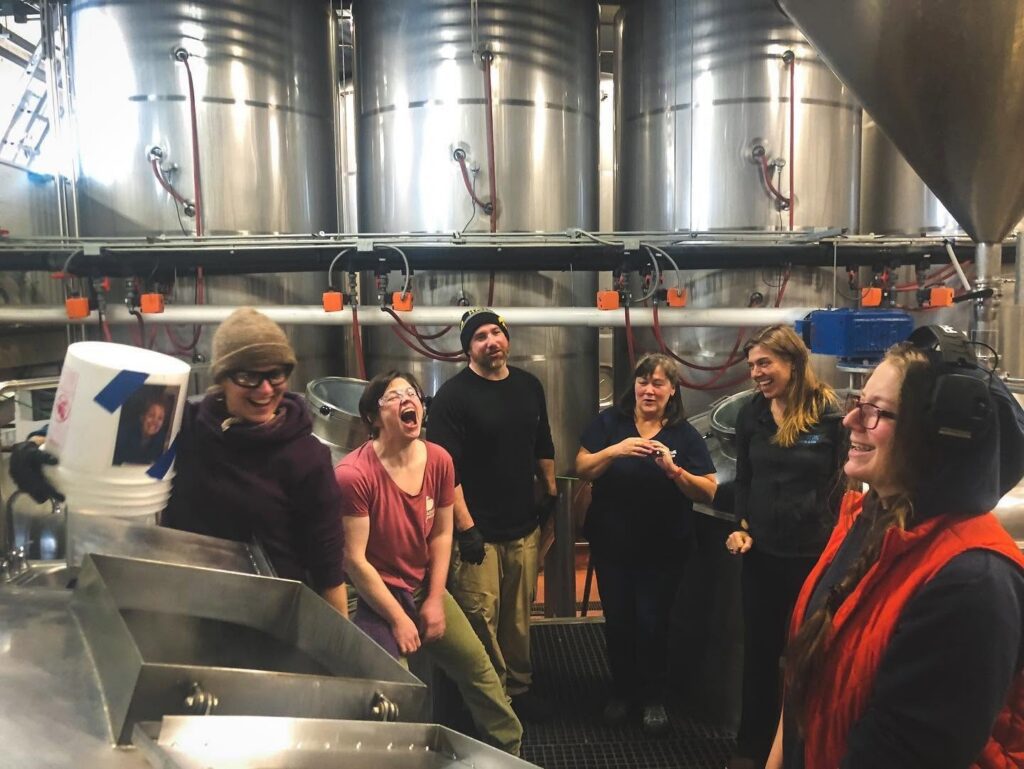
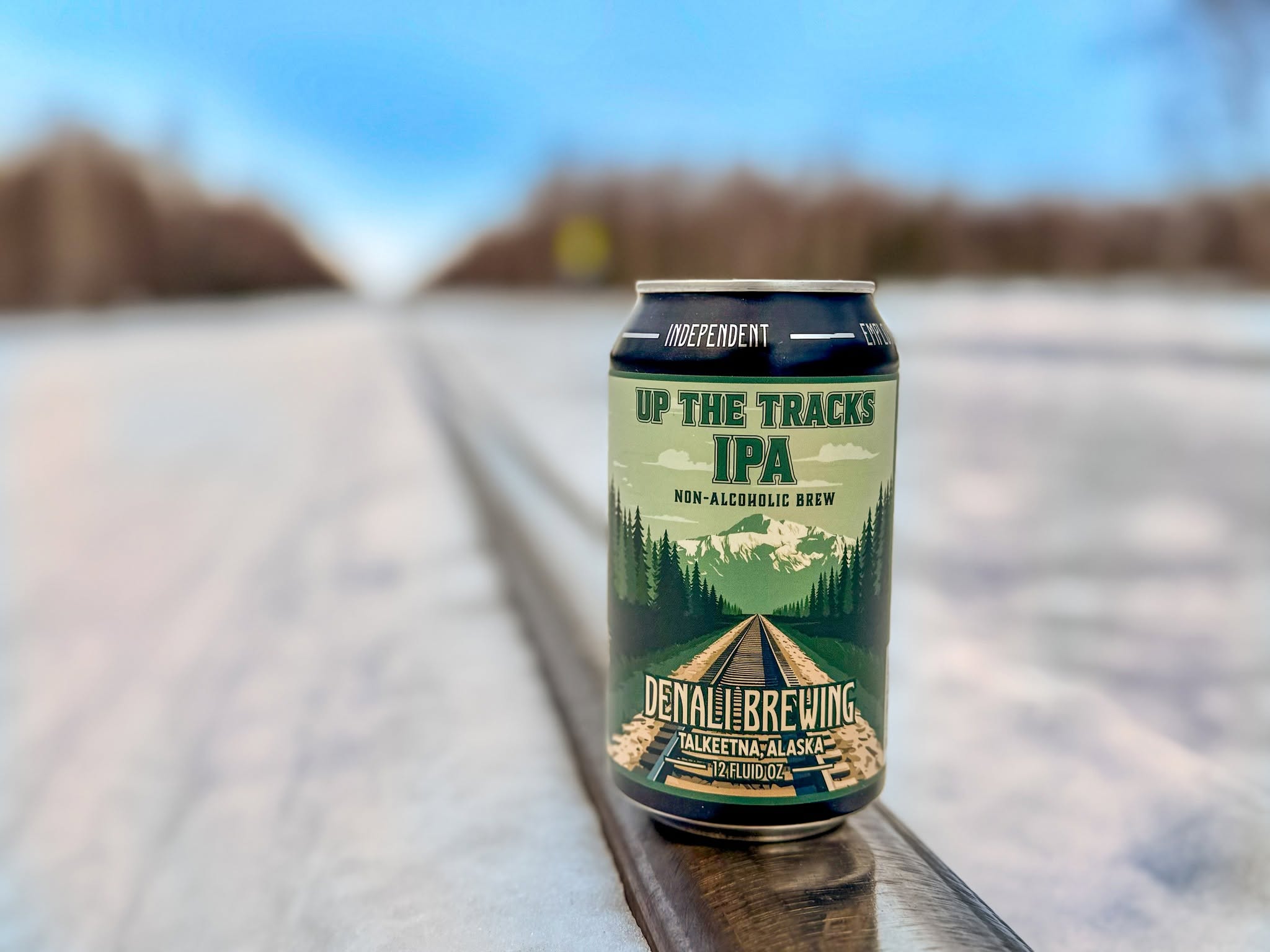
Photo Courtesy Denali Brewing Company
The couple’s love for the region shows up in the recipes. “Kristy and I are farmers, gatherers and naturalists,” Sassan told Alaska Sporting Journal, naming chaga, birch syrup, highbush cranberries, spruce tips, and Kachemak Bay sea salt among the regional ingredients the brewery uses. Maya’s Spruce Tip IPA, for example, builds on a pilsner malt base and adds locally-gathered spruce tips.
Other beers get their names from important Alaskan or natural themes. Beyond Mother Ale, which refers to Mother Earth, “Chuli Stout is named after the Chulitna River, and Single Engine Red is about the pilots who fly us to the mountain,” he said. The No Dam Way! is a collaboration with the Susitna River Coalition, “as a cheers to the mighty Susitna River, wild salmon, and the communities connected and dependent on this incredible watershed.”
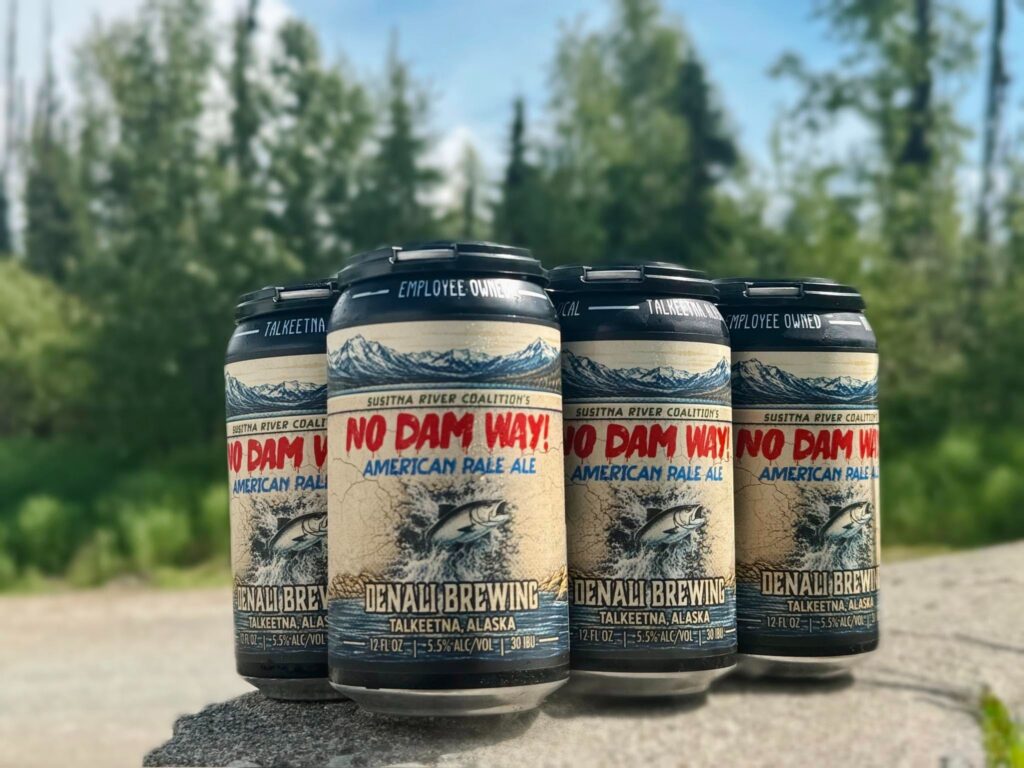
Photo Courtesy Denali Brewing Company
“You have to be crazy to brew at the end of the road,” Mossanen told the Anchorage Daily News in 2015. With the Spur Road ending in Talkeetna, outside repair help is far away, and because the brewery must keep all its malt on site, it has to plan production months in advance.
Denali kept building anyway. On that 2015 tour, the newspaper reported, Mossanen pointed to grain silos waiting to be installed, a new box-assembling machine, and a warehouse finished the previous winter, comparing the company’s growth to “putting your mouth up to a fire hydrant that’s wide open.” Production doubled each year after the move to Spur Road, climbing from 1,000 barrels in 2011 to 4,000 by 2013, and Denali’s 2014 output ranked it second among Alaska’s beer producers, according to Bart Watson, president and CEO of the Brewers Association.
That growth reached beyond Alaska in 2022, when Denali Spirits’ Seattle Kraken Lemon Drop and Seattle Kraken Raspberry Lemon Drop became the official canned cocktails of the Seattle Kraken, BevNET reported. “I can’t think of a better way to expand the Denali brand than by partnering with the Seattle Kraken and Climate Pledge Arena,” Mossanen said at the time. “We are so excited to share our unique cocktail with thousands of hockey and basketball fans and concertgoers in the years to come.”
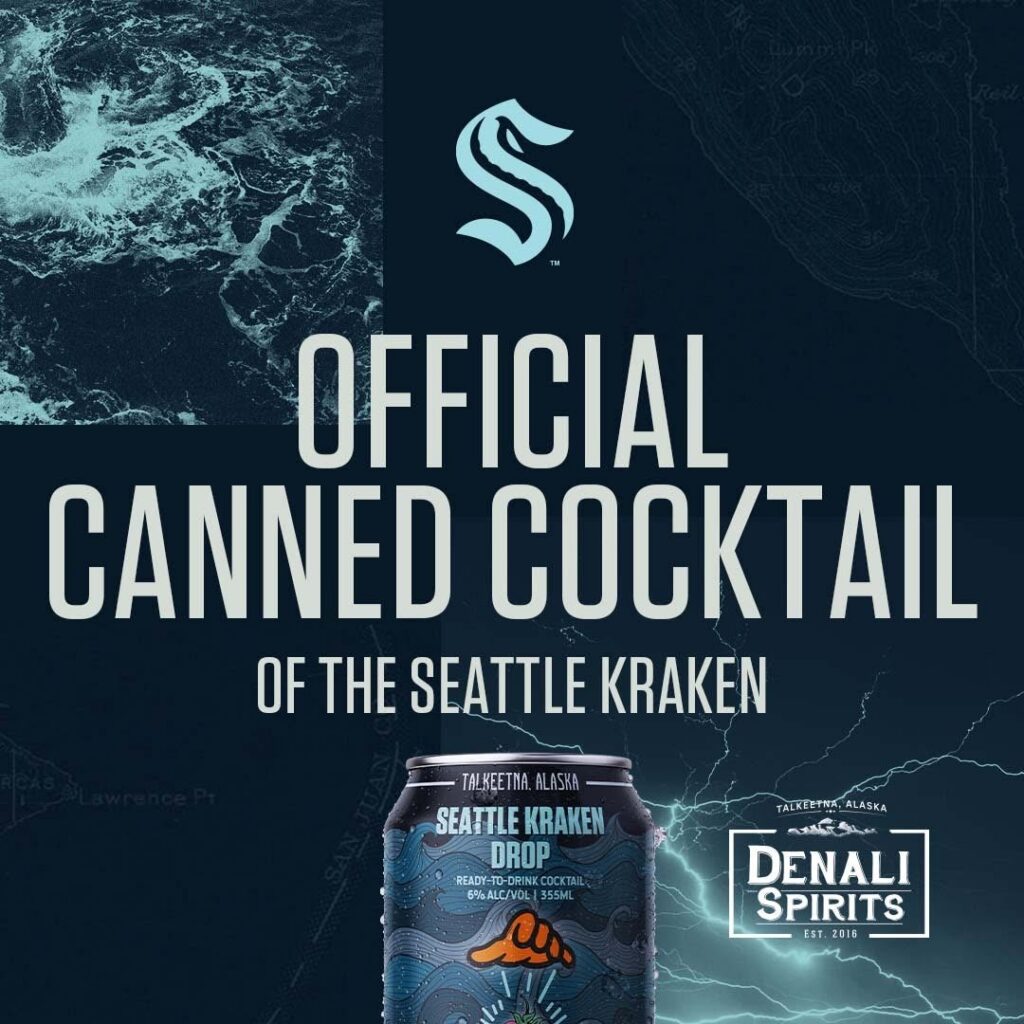
Photo Courtesy Seattle Kraken
To support that contract, Denali added a 100-horsepower chiller that uses carbon dioxide as its refrigerant, according to PRO Refrigeration, which has supplied the company’s cooling systems since 2009. The new system’s variable capacity control would “significantly reduce our power consumption,” Mossanen said, adding, “That gets an Alaskan’s attention. The fact that this system reduces our carbon impact. The environmental impacts and the free heat recovery this will deliver are two reasons we went this direction.” Ultimately, he said, “We are fortunate enough to operate in one of the most pristine environments on the planet, and we intend to protect it.”
The brewery manages its own waste treatment because, as Mossanen told Alaska Sporting Journal, “we are not on a municipal system, which is a huge deal!” A U.S. Department of Agriculture (USDA) Rural Energy for America Program grant helped pay for solar panels and energy audits at the brewpub, according to Resource Rural.
Even the leftovers go to work. In 2020, the brewery produced about 2 million pounds of spent grain, Mossanen told the USDA, and he estimated that in summer months, “we probably give away 75 percent of the spent grain to farmers” for livestock feed. As he explained to Resource Rural, “I really dislike that it’s called ‘spent grain,’ because it’s anything but ‘spent.’ It’s a really valuable resource and should be treated as such.” Whatever farmers do not take, therefore, becomes compost, about 100,000 pounds a year. “We have never dumped a single pound of spent grain into the landfill in 16 years of business,” Mossanen said at the time.
That compost feeds the soil in a high tunnel, a plastic-skinned greenhouse that lengthens Alaska’s growing season. The Mossanens built the structure with a federal conservation grant from the USDA’s Environmental Quality Incentives Program (EQIP). There, they grow produce for the brewpub and tasting room. “Given our remote location, the more food that we can produce in the state, the safer the state becomes, if there’s ever an emergency,” Mossanen explained.
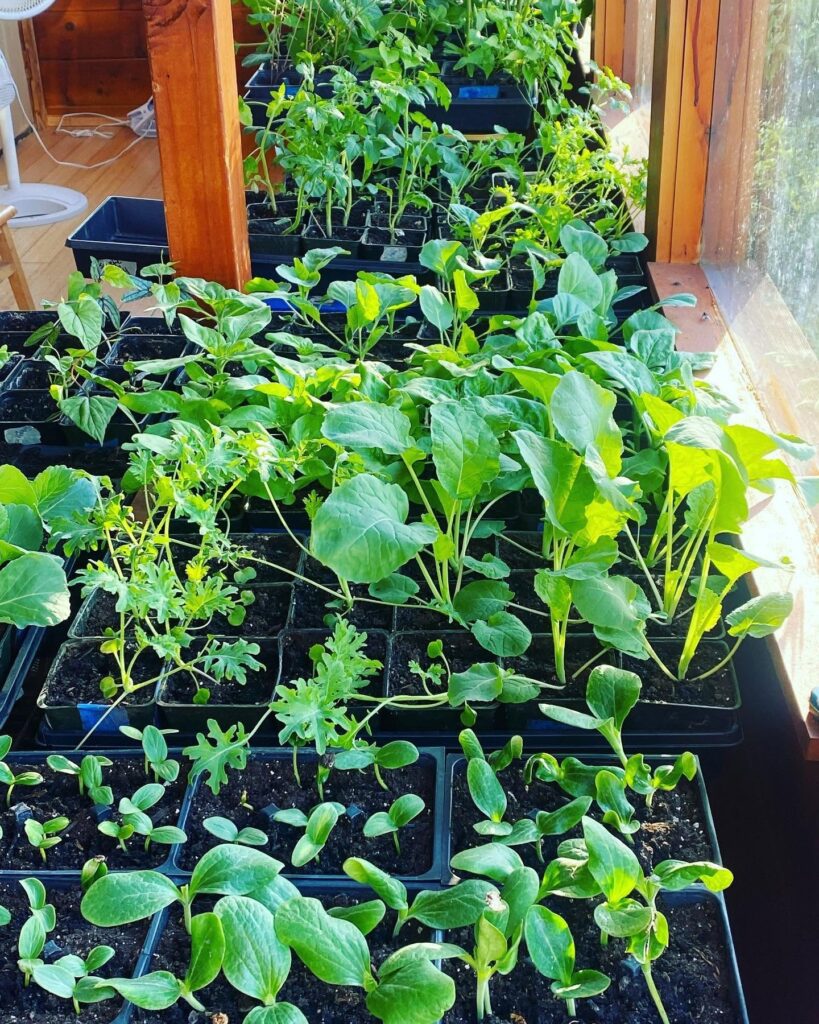
Photo Courtesy Denali Brewing Company
For employees, the payoff is steady work. The company keeps its doors open “through the dark of winter,” which it says provides “one of the few options for consistent year-round work.” The ownership stake doubles as a retirement benefit, and the Mossanens are committed to paying living wages. “If you want to see greater benefits come to the employees, stop buying beer that’s made 3,000 miles away,” Mossanen said.
Alaska now counts 62 craft breweries, the fourth-highest number per adult resident in the nation, according to the Brewers Association’s 2025 figures. The company still brews for its neighbors. It makes Bachelor Brew for the Talkeetna Bachelor Society’s annual fundraiser auction, which raises awareness and support for women and children in need. The brewery teamed up with Denali Rescue Volunteers, a nonprofit that supports volunteer rescuers on the mountain.
“I believe every town should have a brewer, baker, butcher and building supply store,” Mossanen told Alaska Sporting Journal. In Talkeetna, he took on the first of those jobs himself.
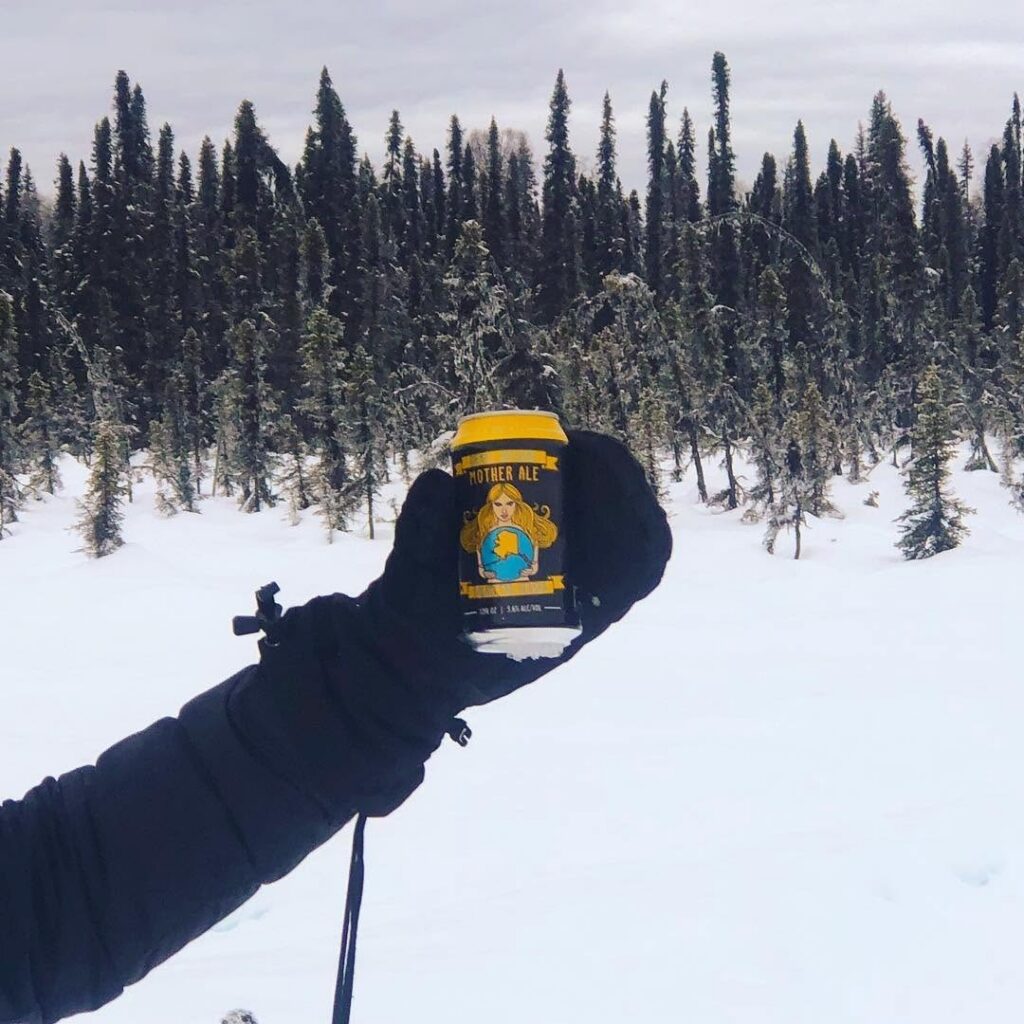
Photo Courtesy Denali Brewing Company