
Although there are theoretically an infinite number of colors, estimates place the count visible to the human eye at about 10 million. One of these, Prussian blue, is the first synthetic pigment since Egyptian blue, and it was discovered by accident by an alchemist and pigment-maker named Johann Diesbach in Berlin in the early 1700s.
According to the story, Diesbach was trying to develop a red shade called Florentine Lake. However, he borrowed potash, unknowingly contaminated with iron from animal blood. It came from a man named Johann Konrad Dippel, whose laboratory he was working in and who is also believed to be the inspiration for Mary Shelley’s Frankenstein. As a result, Diesbach accidentally created the vibrant blue shade.
With the formula for Egyptian blue lost to time, Prussian blue was incredibly valuable. For 20 years, the secret recipe remained as such until its publication led to its spread across Europe and Asia.
Hokusai used it in his “Great Wave off Kanagawa” and “Thirty-six Views of Mount Fuji,” while Vincent Van Gogh used it in his famous “Starry Night” and “Café Terrace at Night.”

Photo Courtesy Wikimedia Commons
Now, Prussian Blue powder is also a key ingredient in sodium-ion batteries. “It’s been used as a pigment, as a dyestuff, and has been a consumer product for centuries,” Dr. Colin Wessells, co-CEO of Natron Energy Inc., told Bloomberg. “It also turns out to be excellent at storing sodium ions.” They can pass back and forth easily through the Prussian Blue powder, contributing to higher power and longer electrode lifetimes than lithium-ion batteries.
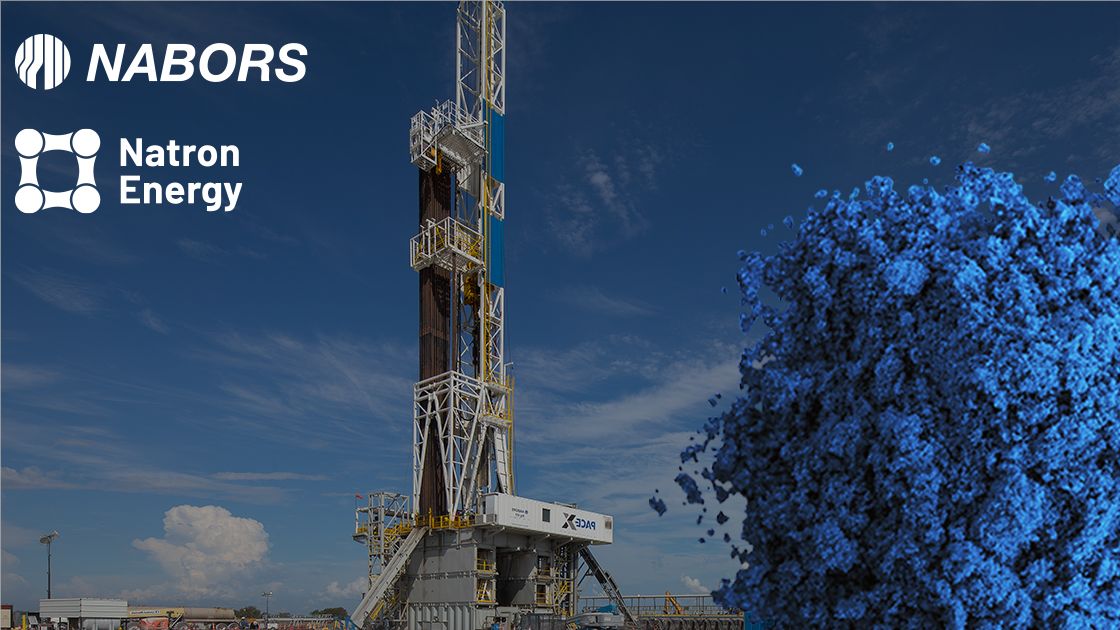
Photo Courtesy Colin Wessells
While lithium-ion batteries have long dominated the market, prevalent in technologies like cell phones and electric vehicles (EVs), they have significant downsides. There are environmental concerns associated with mineral extraction and safety concerns due to flammability from lithium-ion’s overheating.
Plus, lithium prices have shot up, and the availability of metals used in the batteries, like cobalt, copper, and nickel, is not guaranteed forever. While lithium-ion batteries are energy dense and provide longer range for EVs, they deplete over time.
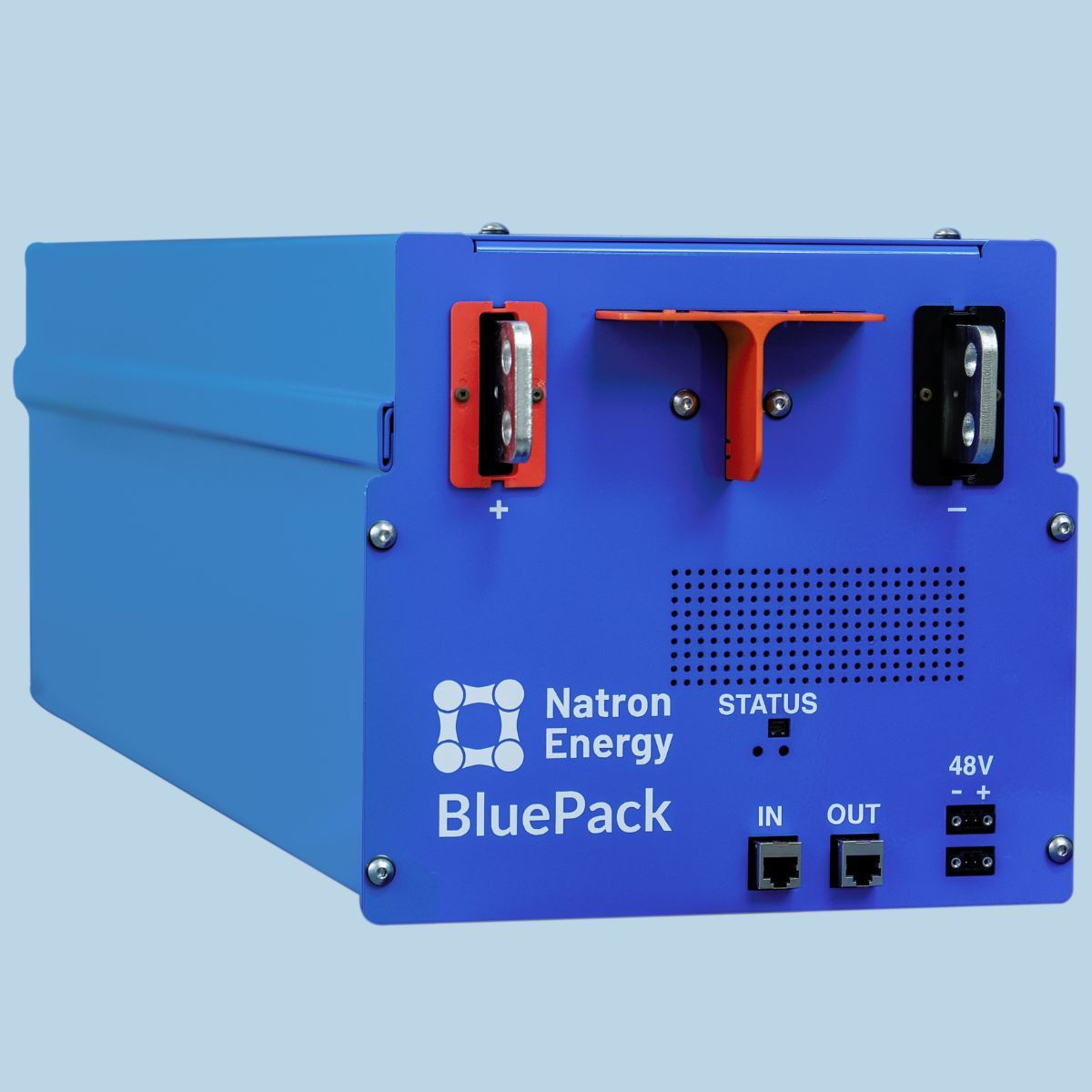
Photo Courtesy Natron Energy
Sodium-ion batteries — with sodium ions in the battery’s cathode and sodium salts in the battery’s electrolyte — offer a promising alternative. Natron Energy is one of the biggest names working to make the batteries a commercial reality.
Since sodium is found in the ocean and the Earth’s crust, it is far more common, less costly, more sustainably and ethically sourced, and has a more stable supply chain than rare Earth minerals.
In fact, it ranks sixth in the world’s most abundant elements.
“It doesn’t use the expensive raw materials,” James Quinn, CEO of sodium-ion battery company Faradion, explained to CNBC. “There’s no cobalt, there’s no copper, there’s no lithium, there’s no graphite, which is really primarily controlled by China today.” The only “mined” minerals found in the Prussian Blue blend are iron oxide and manganese oxide, which Natron instead obtains from other industrial processes’ waste byproducts.
According to Natron, sodium-ion batteries are also safer than lithium-ion ones; they are not flammable or subject to thermal runaway and can be shipped at full charge without posing a threat. Although these batteries do not have enough energy density to support the range required for EVs, they are ideally suited for stationary energy storage that can recharge quickly and deliver short energy spurts.
Natron’s battery has 10 times faster cycling than a lithium-ion version, capable of fully charging in five to 15 minutes versus two to eight hours. Therefore, it is ideally suited for microgrids and energy storage systems, data centers, utility backup power systems, charging systems for aviation ground support vehicles and EVs, and military technologies.
The Prussian Blue mechanism is also “zero strain,” meaning that it does not expand and contract as it charges and discharges the sodium ions, leading to a longer battery life cycle. Natron’s battery supports about 10 times more deep charge cycles than lithium-ion versions, with more than 50,000 cycles compared to a range of 2,000 to 10,000.
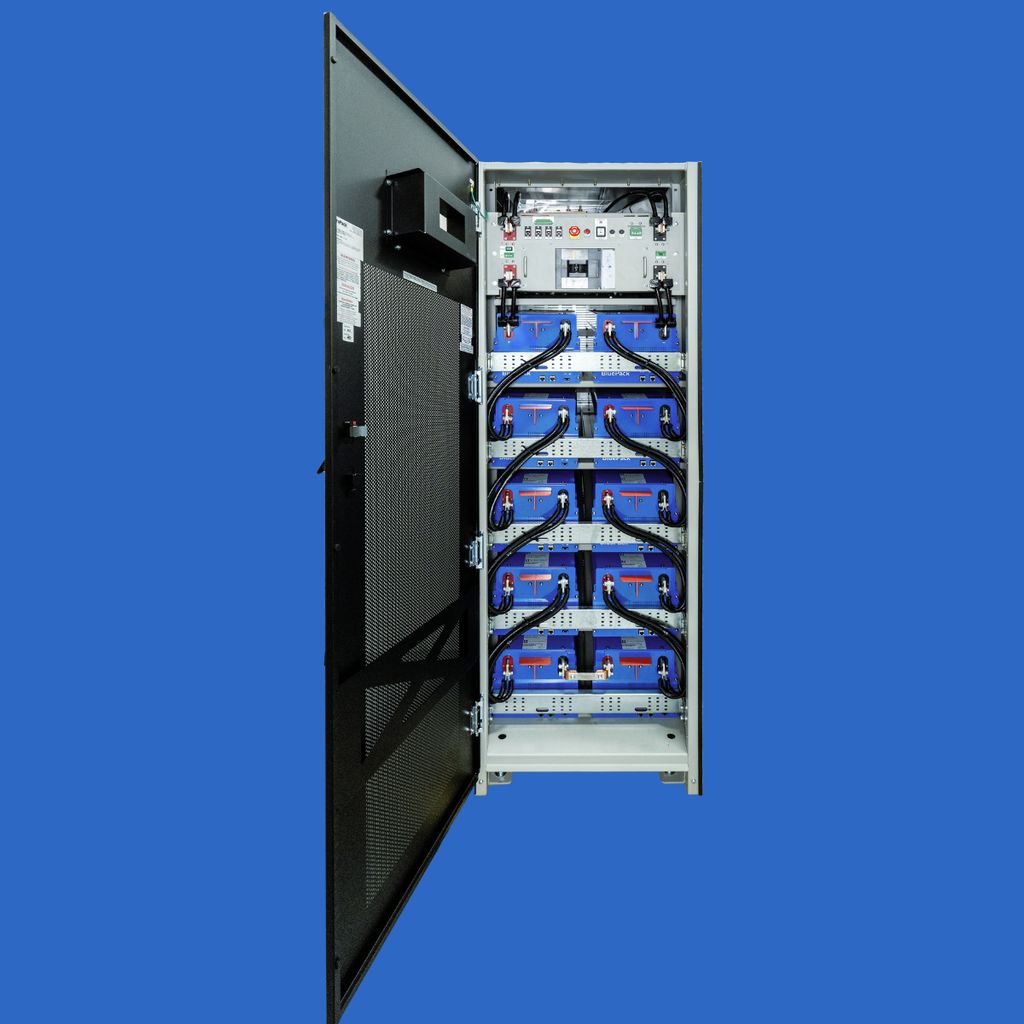
Photo Courtesy Natron Energy
Natron’s story began in a garage. In 2012, Wessells was not just a Ph.D. student at Stanford University but also a new founder. In his garage in Palo Alto, California, he created Alveo, now Natron Energy.
Eight years later, in 2020, despite having an international headquarters and a research and development department located in Santa Clara, Wessells found himself heading back to his garage. In the face of a global pandemic, he loaded up as much equipment as he could fit in his sport utility vehicle. There, he continued to test batteries in environmental chambers, but it was only a fraction of what he could have done otherwise.
“I was the only one in the company who could run new experiments. …,” Wessells told the New York Times. “It was just a trickle of what we normally do.”
However, all the hard work paid off. That September, the company’s BlueTray™ 4000 battery became the first sodium-ion battery to achieve a 1973 UL (Underwriters Laboratories) listing.
With that announcement, Natron’s technology was ready for commercial shipment.
“In developing the first UL-listed Sodium-ion battery, Natron has demonstrated its commitment to providing the safe, reliable power required for today’s high-capacity data centers and evolving 5G networks,” Jeff Schnitzer, then-president of ABB’s Power Conversion business division, noted in the press release.
ABB is just one of many to have participated in one of the company’s fundraising rounds, including a $35 million Series D earlier that summer to expand commercial production of its batteries. Natron has now raised funding from ABB, Chevron, and United Airlines.
Also, in September 2020, Natron received $19 million from the Advanced Research Projects Agency-Energy (ARPA-E) through its Seeding Critical Advances for Leading Energy technologies with Untapped Potential (SCALEUP) program. However, it was not the first funding to come from the government agency. ARPA-E was also the source of Natron’s first monetary influx in 2012, even before its first venture capital seed investments.
2020 was the biggest year for the company until this one. This April, more than 12 years after its founding, commercial operations launched at a manufacturing plant in Holland, Michigan. It is the first time sodium-ion batteries have been produced at a commercial scale in the country or even the continent.
Natron invested more than $40 million to convert the existing lithium-ion battery manufacturing lines at the $300 million plant. Once it is at full capacity, the facility will produce 600 megawatts of sodium-ion batteries per year and support more than 100 local jobs by the end of next year.
“Today, we celebrate a factory that can fundamentally change industrial power and tackle domestic supply chains, and make the United States the world leader in sodium-ion battery technology,” Evelyn N. Wang, director of ARPA-E, expressed in the press release. “This team has dedicated so much time toward chasing and realizing a moonshot that can transform our country’s energy infrastructure.”
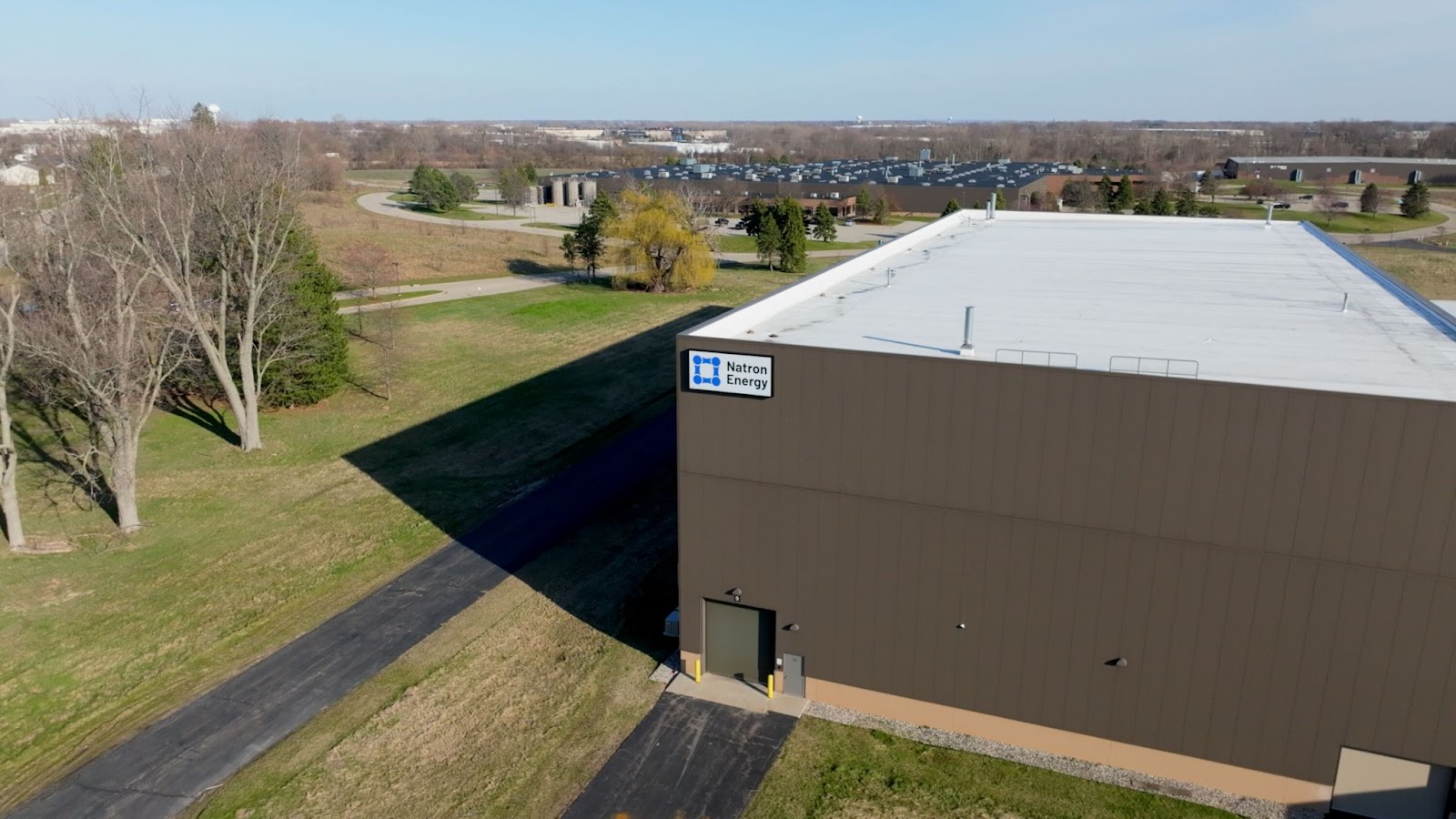
Photo Courtesy Natron Energy
The Michigan plant will also be the model for several upcoming gigafactories in Natron’s pipeline. In mid-August, the company announced its plans for the first to be based in Edgecombe County, North Carolina.
“After evaluating over 70 sites across nine states, we found that North Carolina, with its leadership in the clean energy revolution, would make the perfect home for this project,” Wessells described the process in the press release. “We are proud to partner with the state on this ambitious project to deliver high-quality jobs to the community while advancing the electrification of our economy.”
At full capacity, the first sodium-ion gigafactory in North America will scale the company’s production capacity up by a factor of 40 and support more than 1,000 local jobs.
In total, Natron will invest almost $1.4 billion in the 1.2 million square foot plant, part of which will be sourced from a Job Development Investment Grant (JDIG) from North Carolina’s Economic Investment Committee.
The state expects that the company will also apply for a $30 million grant through the new North Carolina Megasite Readiness Program, which aims to help industrial sites scale to a competitive position. According to the press release, all this funding will be in North Carolina’s best interest; the gigafactory is predicted to add $3.4 billion to the state’s economy over the 12-year course of the JDIG grant.
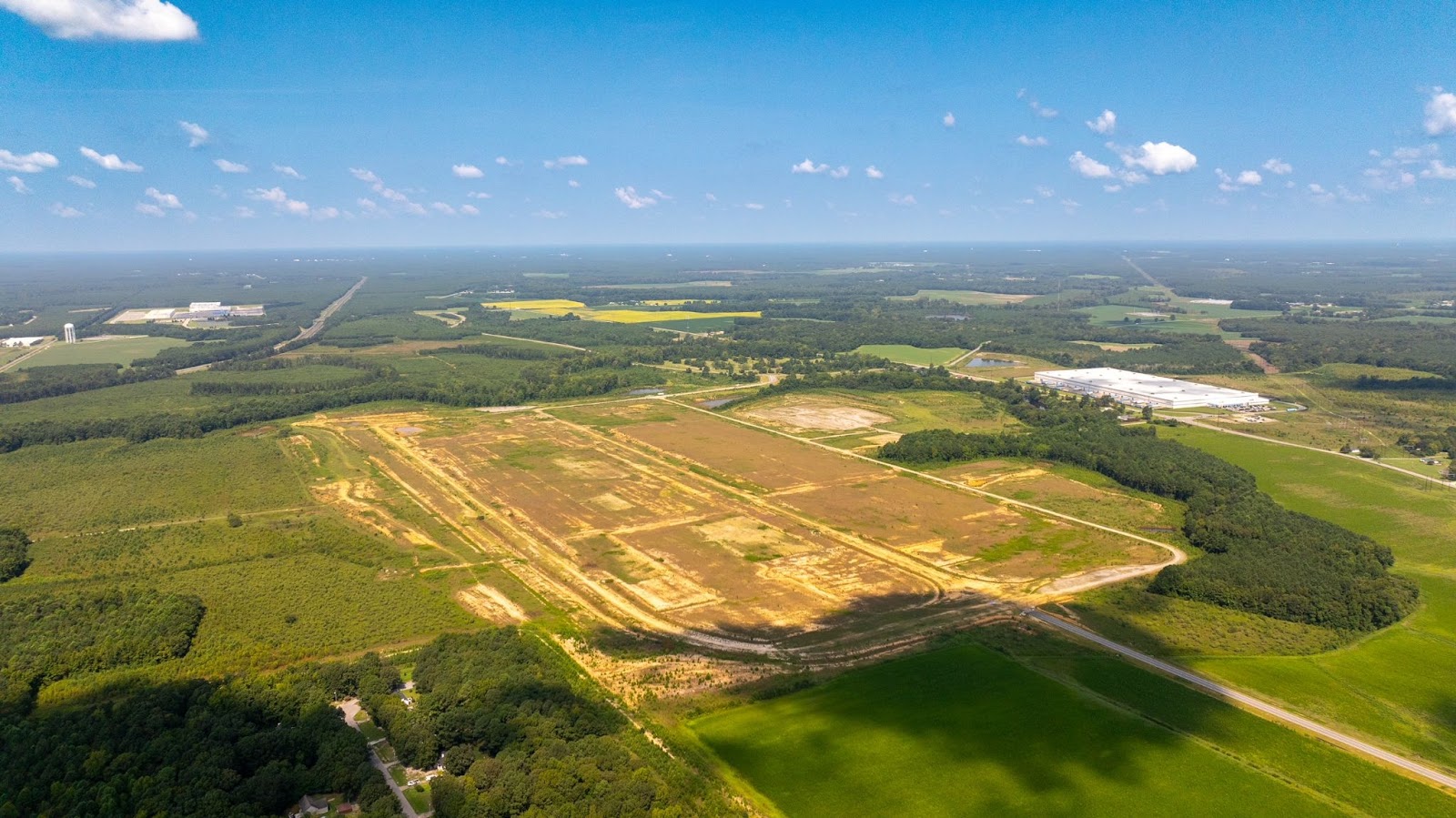
Photo Courtesy Natron Energy