
As we explored in the first two pieces of this series, Sen. Joe Manchin and Sen. John Barrasso introduced new permitting reform legislation, the Energy Permitting Reform Act of 2024, which just recently passed out of the Senate Energy and Natural Resources Committee. So, what is likely to happen next?
The Future Of Permitting Reform Bill
Senators Manchin and Barrasso introduced the legislation only two weeks before the legislators left the Capitol for August recess. Since then, it sailed through the Senate Energy and Natural Resources Committee. While many D.C. insiders predict it will be attached to another piece of legislation during a so-called “lame duck session,” its passage out of Committee could benefit it for future consideration as a stand-alone bill.
So why bring it forward now? Well, Sen. Manchin announced on Nov. 9, 2023, that he would not be running for reelection. “What I will be doing is traveling the country and speaking out to see if there is an interest in creating a movement to mobilize the middle and bring Americans together,” he stated in his press release. After pushing for this legislation for years, it makes sense that he would want to try to see it through one last time.
“It [Energy Permitting Reform Act] will make meaningful and reasonable changes to ensure that America continues to be the superpower of the world when it comes to both energy production and emissions reductions. It speaks volumes to this Committee’s commitment to good sensible policy that we’ve been able to come together on this piece of legislation at a time when our country in politics is so divided,” Senator Manchin shared after the bill passed through the Senate Energy and Natural Resources Committee.
Support Has Been Shared
So the question becomes, does the Energy Permitting Reform Act of 2024 have a chance to pass out of the full Congress? Its forward momentum and bipartisan support might bode well for its prospects. Plus, a huge number of energy organizations have endorsed it. Similarly, many legislators seem willing to give the bill the benefit of the doubt.
“Just because of the sponsors of the bill, I’m encouraged it will be something that’s very targeted and important to changing the permitting in this country that has prevented us from mining and producing oil and gas and creating resource management plans,” Sen. Cynthia Lummis noted to to Politico’s E&E News ahead of the bill’s passage out of Committee.
Likewise, Sen. Lisa Murkowski told the same publication that she’s excited “about what they’ve been working on and how optimistic they feel about the process.”
Others also voiced support because of the energy potential. Sen. Martin Heinrich told POLITICO’s E&E News that “this legislation is our opportunity to unlock an American-made clean energy future.” Sen. Hickenlooper went so far as to tweet that “this bipartisan bill is BIG NEWS and will deliver the true promise of our Inflation Reduction Act.”
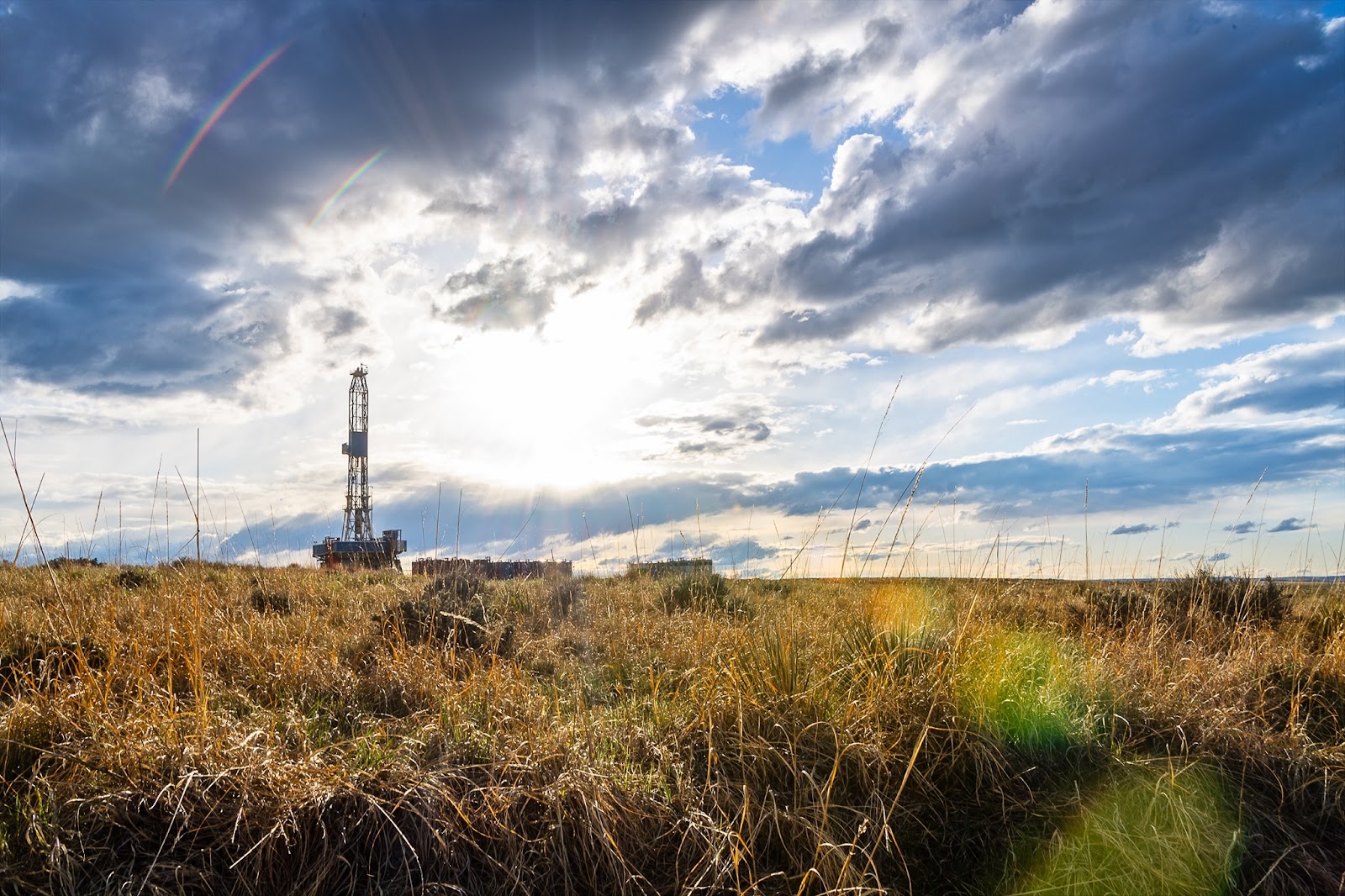
Photo Courtesy Petroleum Association of Wyoming
Several clean energy and transmission-focused organizations have also expressed support, including Advanced Energy United, the American Clean Power Association (ACP), the American Council on Renewable Energy, Americans for a Clean Energy Grid, the Citizens’ Climate Lobby, GridUnited, and the Solar Energy Industries Association (SEIA).
“We’re pleased to see bipartisan recognition that we must quickly and efficiently build out transmission capacity to keep pace with America’s growing electricity demand,” Abigail Ross Hopper, president and CEO of SEIA, said in a statement.
Harry Godfrey, managing director at Advanced Energy United, harkened back to the country’s goals, predicting that “collectively, these reforms put us in a position to meet growing energy needs, enhance grid reliability while lowering costs, and sustainably, securely manufacture our 100% clean energy right here in America.”
“Our nation’s future success and strength rests on building modern systems to produce, store, and distribute energy,” Jason Grumet, CEO of American Clean Power, summing up the change it would represent.
“We have the technology, workforce, and financial capital to build great things, but we lack a governing process that is designed to succeed. This legislation changes that.”
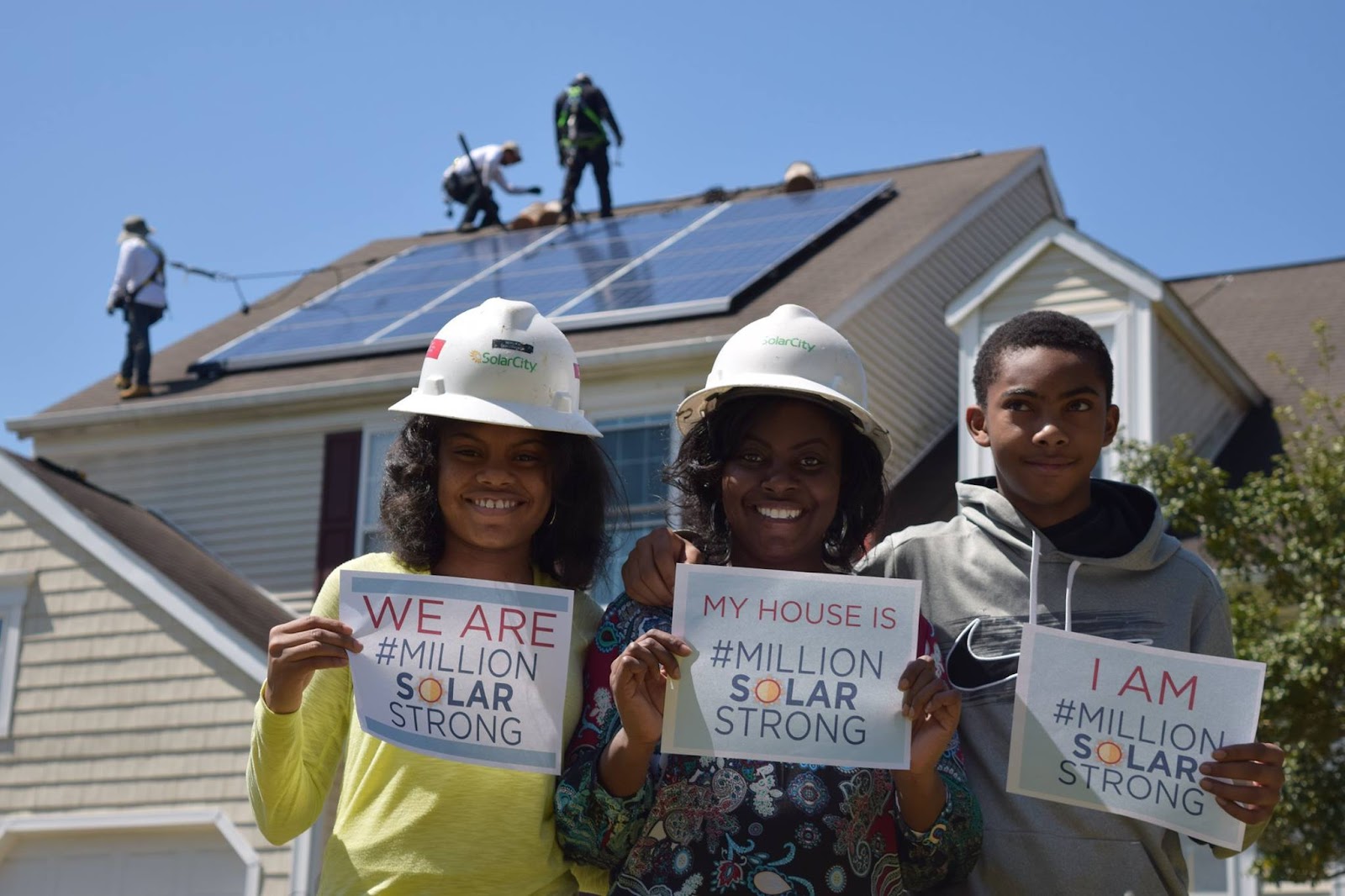
Photo Courtesy SEIA
Concern Has Been Voiced
Other conservation-focused groups, including Earthjustice, the Natural Resources Defense Council (NRDC), and the Sierra Club, all of which also opposed Sen. Manchin’s last attempt at passing a permitting deal, have similar sentiments again.
Mahyar Sorour, a policy director for the Sierra Club, urged Congress “to put forward real solutions to build a clean energy economy, and not pair those reforms with more attempts to pad the pockets of fossil fuel executives under the guise of reducing emissions.”

Photo Courtesy Sierra Club
Xan Fishman, senior director of the Energy Program at the Bipartisan Policy Center, suggested a broader view of the legislation.
“Some of the environmental community is going to look at this and see it as a net win for climate change, and some in the environmental community are more anti-fossil fuel than they are pro-reducing emissions, and so it’s harder for them to get over the fossil fuel aspect of the bill,” he said, presenting his take on this landscape of contrasting opinions to Heatmap. “But to some extent, that’s how bipartisan deals come together. Not everyone is going to be happy.”
Likewise, this is not the first time the federal government has negotiated with industry to bolster American clean energy. Without such concessions, we would not have the Bipartisan Infrastructure Law or the Inflation Reduction Act.
“Even if this doesn’t pass, this is the baseline for conversations,” Ryan Fitzpatrick of Third Way told Heatmap, calling it “a net win for climate” and “the starting point.” At least we’ve come back to the table.