
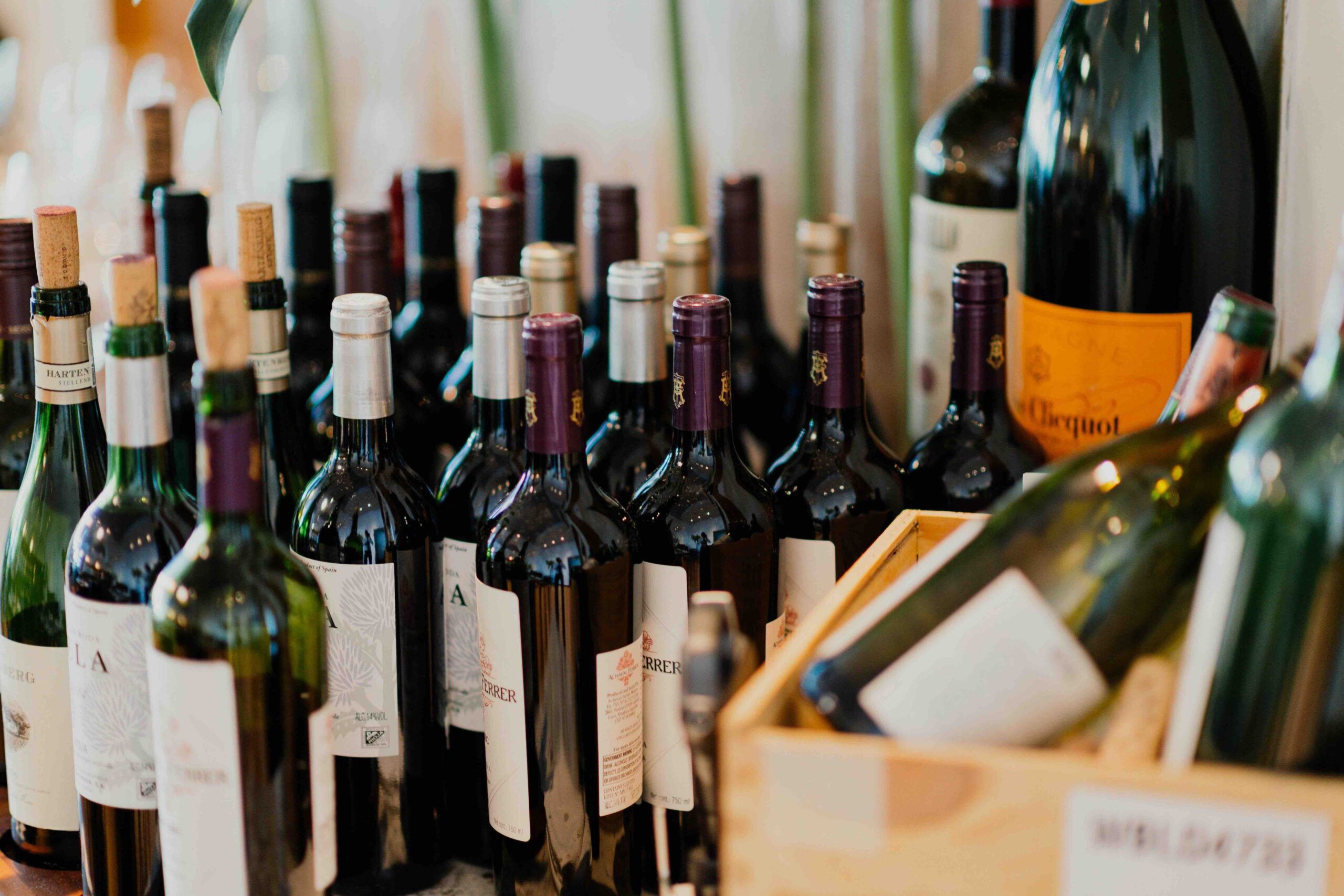
The restaurant business and wine industry go together like peanut butter and jelly. A combination that will never wear out, no matter how much time passes. The average wine poured at a restaurant is about 5 ounces, so when you multiply that number by hundreds of customers, a significant amount of glass bottles will pile up.
Recycling bottles is the ideal solution, but not every bottle will be reused, causing waste to stack up. A Washington, D.C., restaurant has a great idea: crush them into plates for dining.
Oyster Oyster is working with Material Things, a Maryland-based art studio specializing in ceramics, woodworking, and metallic sculptures. Studio owner Katie Aldworth told Fast Company that she has made 40 glass sand plates for the restaurant.
The process involves putting wine bottles in a glass crusher that pulverizes the glass into sand. Aldworth then molds it and bakes it in a kiln. The results are kelp-green plates.
Rob Rubba, the James Beard Foundation’s top chef in the U.S. in 2023., has been serving his signature meals on these plates. Inspiration came to him from a video of a London restaurant incorporating a similar idea. Oyster Oyster lives by a robust sustainability mantra. It’s a key ingredient in their dishes.
“We believe in creating a dining experience for the future. Our menus focus on seasonal, local produce. These ingredients are sourced from individuals who believe in organic and regenerative farming practices,” the restaurant’s sustainability page says. “Through these relationships, we are able to minimize food waste and control our carbon footprint while providing a one-of-a-kind dining experience here in the Mid-Atlantic. Enriching our community and strengthening those networks.”
The United States doesn’t have universal glass recycling programs; some areas don’t even have them at all. According to Great Forest, other factors like bottle contamination, broken glass, and sorting through broken glass make recycling difficult. An interactive map courtesy of the Glass Recycling Coalition shows that the highest rate of glass recycling is on the East Coast and California.
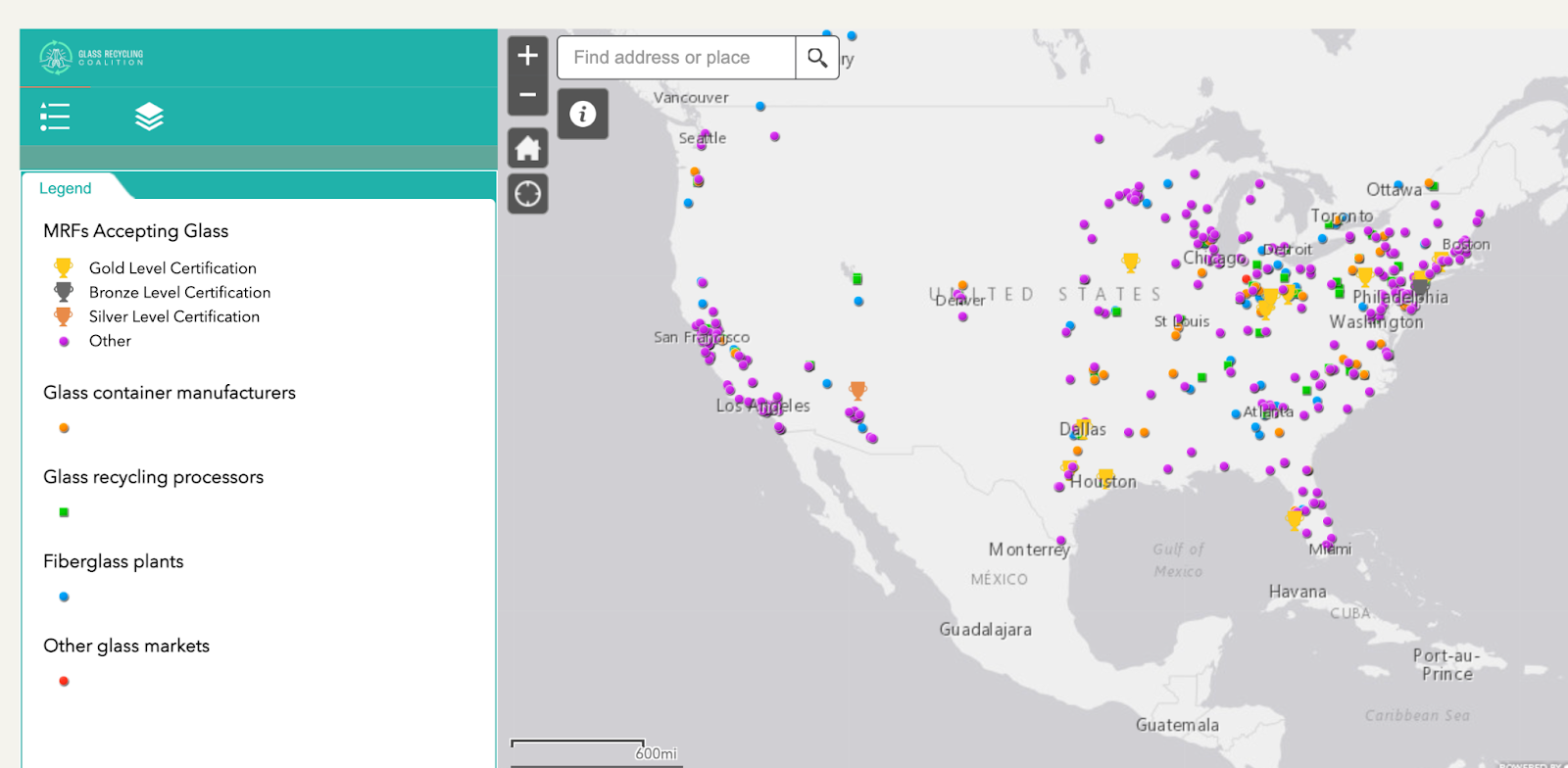
Photo Courtesy Glass Recycling Coalition
The rise of aluminum and plastic receptacles also changed how glass is used worldwide. The material was the original standard for convenient bottles, but in the 1980s, there was a shift in the financial incentives. Aluminum and plastic became the norm, and glass recycling lost its profitability.
Wine is almost exclusively bottled in glass to preserve flavor and aesthetic purposes. The highest quality wines will always be in these bottles. However, they can’t all be recycled. That’s why being crushed into plates is a great way to reduce waste while making new products.
Glass crushers like the one from Andela Products can crush up to 20 tons per hour. The company’s founder, Cynthia Andela, created the original glass-crushing machine in the 1980s.
The upstate New York business has struggled to gain a foothold in the recycling industry because many recycling advocates want to turn glass bottles into more bottles, Andela told Fast Company.
With less of a market for glass sand products in the U.S., Andela found success overseas. Island nations contracted the company to handle their glass waste problems. The United Nations even asked Andela for glass crushers for peacekeeping camps, which have serious waste problems.
Glass sand has several uses. Crushed glass asphalt was utilized in roadway construction. A 1988 New York Times piece covered how Brooklyn streets were paved with a mixture of glass sand, tar, and asphalt. It saved landfill space and reduced glass waste.
Glass sand can also be utilized in farming as high-nutrient mulch. A park in Hoboken, New Jersey, uses glass sand mulch as the ground material since it offers better filtration than wood chips. Glass sand can salt roads, which is better for them and wildlife.
Oyster Oyster and Material Things’ partnership is another innovative solution that can be added to the list of ways to reduce glass bottles in landfills. Hopefully, their approach will start a trend of using repurposed glass in everyday products. Until then, the chefs and the artists are fighting wine bottle waste one plate of food at a time.