
The Inflation Reduction Act (IRA) contains several tax credits for homeowners to purchase home energy electricity products, heating and cooling systems, and other energy efficiency upgrades. These credits typically cover 30% of the cost of products like solar panels, home backup power battery storage systems, heat pumps and heat pump water heaters, up to $2,000 per year, solar water heating products and insulation materials.
“The reality is, the American people want to adopt solar panels, heat pumps, and electric vehicles, and the federal Inflation Reduction Act is helping them do it,” Leah Stokes, associate professor at the University of California at Santa Barbara, told The Washington Post.
2023 represented the first year that the value and scope of these tax credits were in full effect. For example, only $300 in tax credits were available for efficient air conditioners and efficient heating systems in 2022. However, from 2023 until 2032, the credits cover 30% of the product’s cost, up to $600.

Photo Courtesy Trane
Technology
On August 7, 2024, the U.S. Department of the Treasury announced that according to 2023 federal tax returns filed and processed through May 23, 2024, more than 3.4 million American families had so far claimed over $8 billion in these tax credits.
The majority — 2,338,430 families — claimed $2,061,588,000 in credits for energy-efficient home improvements, at an average of $880 per family.
Meanwhile, 1.2 million American families claimed a higher amount — $6,337,122,000 in credits — for residential clean energy investments, at an average of $5,000 per family.
The biggest chunk of these were claimed by families and used on investments in solar electricity systems. In 2023, 752,300 families claimed $20,579,430 in tax credits for solar energy.

Photo Courtesy SunRun
The second highest amount of tax credits — at $6,349,116 — was claimed for exterior windows and skylights by 694,450 families. Other claimed tax credits included:
- $4,039,226 for central air conditioners;
- $3,002,640 for electric or natural gas heat pumps;
- $1,750,821 for natural gas, propane or oil furnaces, or hot water boilers;
- $1,069,761 for the most expensive exterior doors; and
- $975,028 for qualified geothermal heat pumps.
The second-most families — 699,440 — claimed $3,118,021,000 in tax credits for insulation or air sealing material or systems. Other claimed investments included:
- 488,050 families for central air conditioners;
- 400,070 in their most expensive exterior doors;
- 293,300 in natural gas, propane, or oil water heaters;
- 283,390 in natural gas, propane, or oil furnaces or hot water boilers;
- 267,780 in electric or natural gas heat pumps;
- 259,630 in other exterior doors;
- 139,130 in solar water heating; and
- 104,180 in electric or natural gas heat pump water heaters.
Finally, while claimed less, there was still demand for other types of clean energy investments and home efficiency improvements:
- 48,180 families claimed $251,557 for biomass stoves and biomass boilers;
- 41,990 claimed $254,329 for small wind energy;
- 35,850 claimed $752,120 for fuel cells, and
- 36,820 claimed $55,412 for home energy audits.
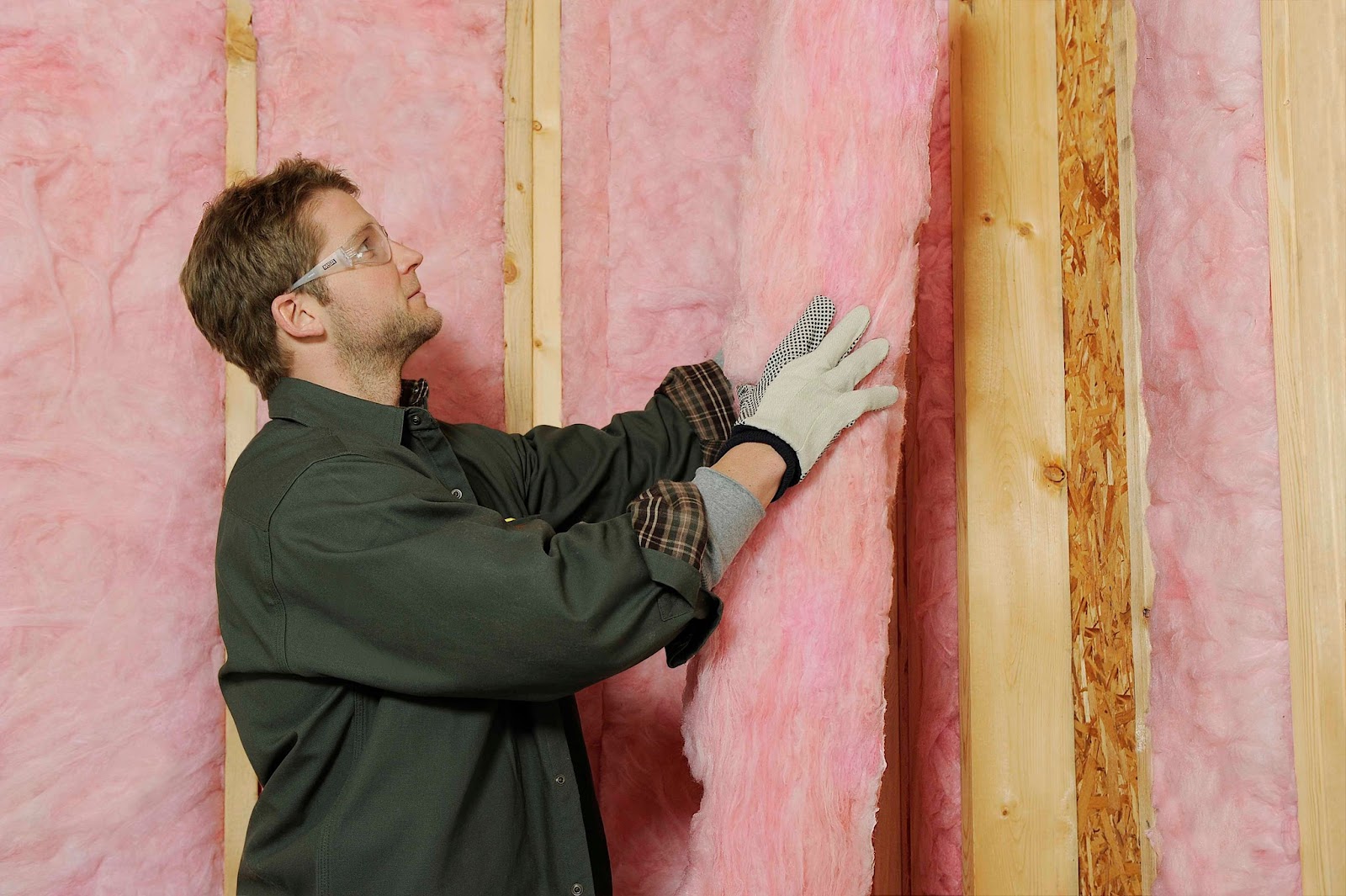
Photo Courtesy Building Performance Institute
Geography
The benefits of these tax credits extend wide across the nation with families in all 50 states, in addition to the District of Columbia and Puerto Rico participating.
Of the 137,934,330 individuals who had returned Form 1040 with their federal tax returns when this data was published, 2.48% of them — or 3,421,880 people — claimed a residential clean energy credit, an energy-efficient home improvement credit, or both.
In Maine, 3.58%, or 21,730 of the 606,840 people who returned Form 1040, claimed one or both of the tax credits. Similarly, high rates were found in other New England states, like New Hampshire and Vermont, both at 3.52%. They were trailed by Rhode Island, Connecticut, Florida, Massachusetts, Delaware, Nevada, and Arizona, each generating a rate higher than 3%. In fact, most states reflected rates higher than 2%. The states with the lowest rates, at less than 1.5%, only included Oklahoma and West Virginia.

Photo Courtesy Maine Green Power
California had the highest number of people who claimed the credits. The Golden State’s 397,970 claimants represent 11.63% of the national total of 3,421,880 people who claimed one or both. For residential clean energy credits, 243,220 Californians claimed $1,455,470, while 184,780 people claimed $174,093 in energy-efficient home improvement credits.
California was closely followed by Texas at 316,600 claimants, representing 9.25% of the national total, and Florida at 306,470, with 8.96%. In Texas, 186,500 claimed $894,246, and 165,840 Floridians claimed $715,809 in residential clean energy credits. Likewise, 148,520 Texans claimed $125,270, and 154,440 Floridians claimed $130,724 in energy-efficient home improvement credits.
Texas lost its second-place spot only in terms of energy-efficient home improvement credits. Florida and New York outpaced it in the number of those returns and the amount of those credits.
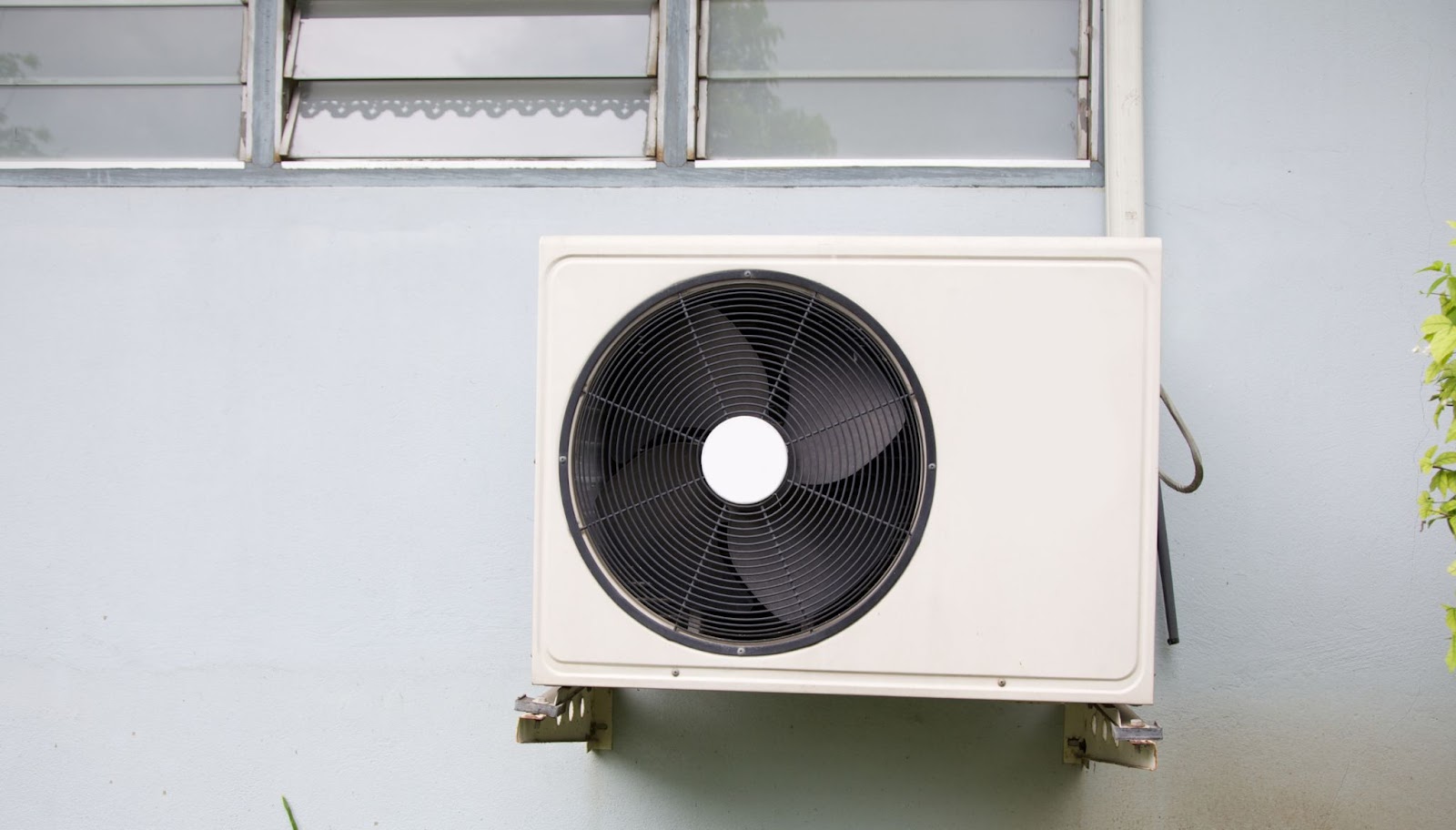
Photo Courtesy South-Central Partnership for Energy Efficiency as a Resource
These states were trailed by New York, Pennsylvania, Illinois, Michigan, New Jersey, Ohio, Massachusetts, Virginia, Arizona, North Carolina, Georgia, and Wisconsin, each with at least 70,000 claimants of one or both credits. Washington and Maryland also performed well in terms of both types of tax credits.
Arizona ranked highly in terms of residential clean energy credits, particularly with its number of returns and amount of credits directly trailing Florida. Colorado, Nevada, and Alabama also ranked high when looking at residential clean energy credits specifically.
Meanwhile, Minnesota and Indiana also ranked high when looking at energy-efficient home improvement credits specifically.
The states with the fewest claimants of one of both of these tax credits, at less than 5,000 each, included the District of Columbia, representing 0.14% of the national total; Alaska, at 0.13%; and Wyoming, at 0.12%. North Dakota and South Dakota had lower amounts of residential clean energy credits, while Hawaii had a lower amount of energy-efficient home improvement credits.
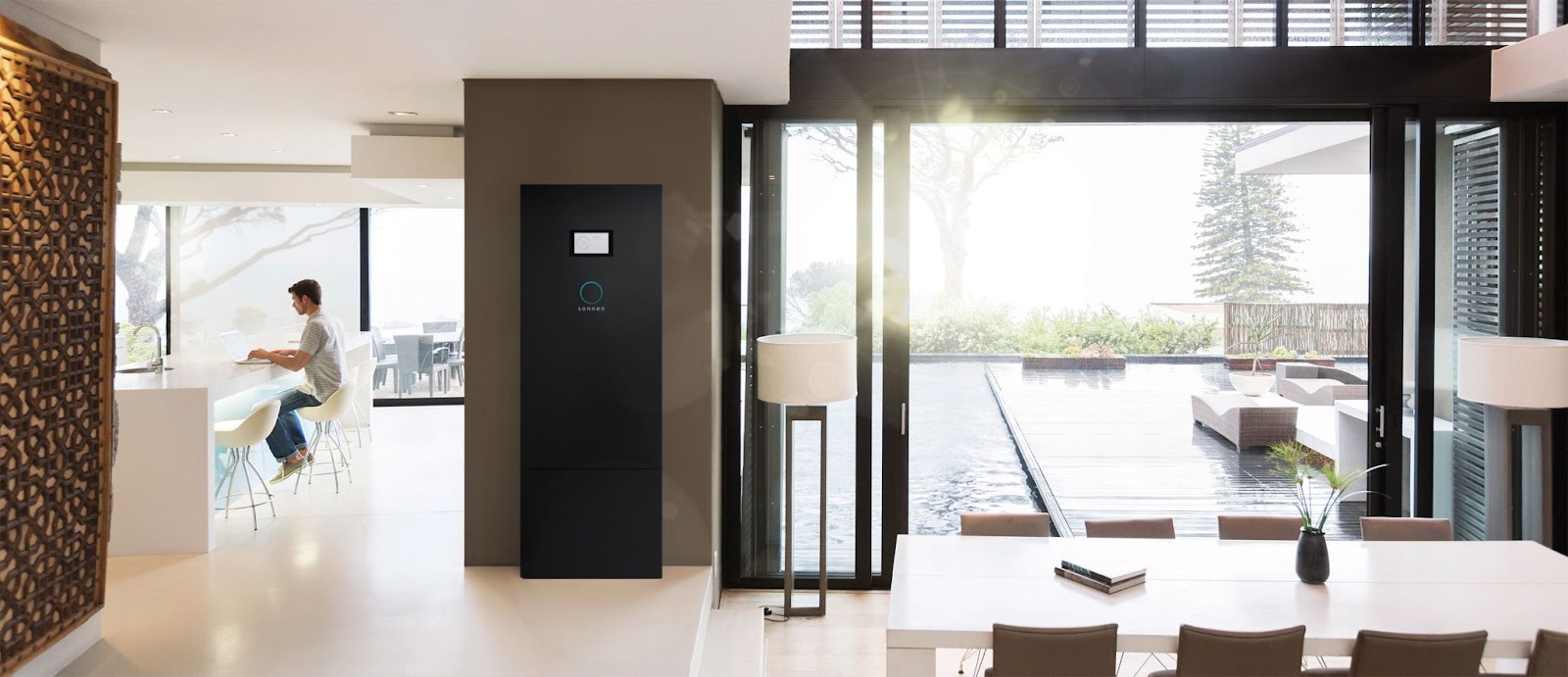
Photo Courtesy Sonnen
Income Level
Higher-income levels saw higher numbers of those who filed their Form 1040s at that level also claim the credits. For example, those with adjusted gross income between $500,000 and $1,000,000 saw the highest percentage of people claim returns for one or both tax credits.
Of 1,077,460 people who filed federally at that income level, 6.27% or 67,580 people claimed the residential clean energy credit, the energy-efficient home improvement credit, or both. The second highest rate, 6.21%, came from the income level that took home between $200,000 and $500,000 in adjusted gross income.
Again, when we envision the national total of 3,421,880 claims for clean energy and energy efficiency credits as a whole, the story changes. Households — 1,194,450 people — who brought home between $100,000 and $200,000 in adjusted gross income filed for one or both credits, representing 34.91% of the national total of people claiming these credits.
The second highest rate, 16.99%, came from the income level, making between $50,000 and $75,000. In fact, almost half of the national total of families that claimed one or both of these tax credits last year — 1,616,950 out of 3,421,880, or 47.25% — had incomes of less than $100,000.
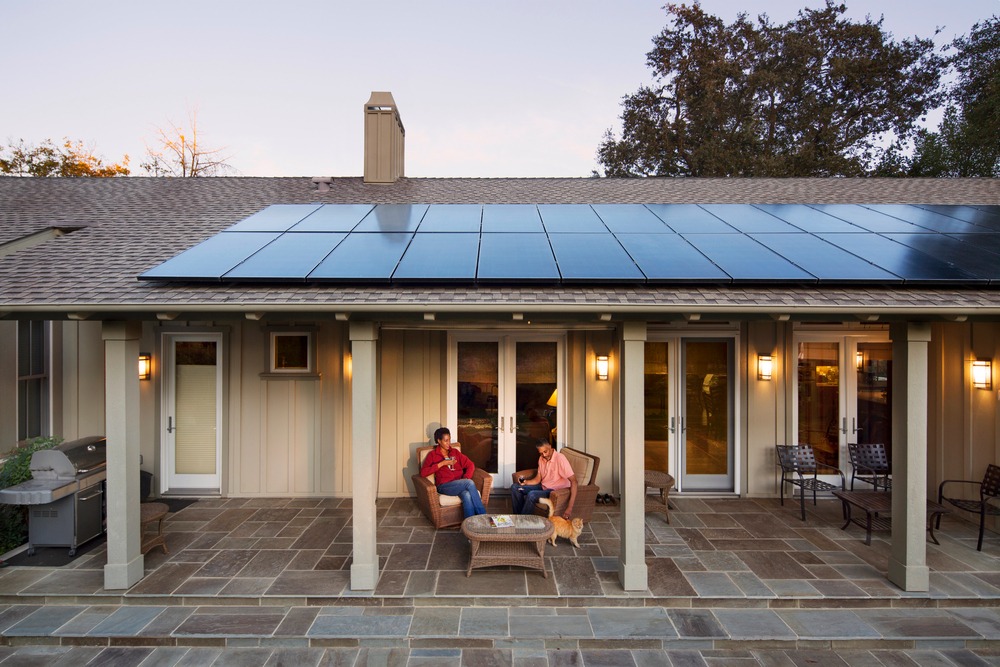
Photo Courtesy SunPower
It makes sense that lower-income households are taking advantage of these tax credits. According to a Lawrence Berkeley National Laboratory poll of about 500,000 households, the median customer who installed rooftop solar in 2021 saw savings of $2,230 on their electric bills per year.
Heat pumps also offer tremendous cost savings. Looking at the 25th to 75th percentile of households, those who heat their homes with oil or propane can save approximately $1,000 to $3,100 annually.
Similarly, those using electric, non-heat pump heating can save approximately $300 to $1,200 annually, and those using gas heating can save roughly $30 to $600 annually.
The hope going forward is that these tax credits will continue to spur more investment in climate-friendly technologies and upgrades and save American families more money.
“We’ve seen a yo-yo up and down in the past suggesting that these tax credits do have a stimulating effect on the market and encouraging more uptake and adoption than would otherwise happen in their absence. …” Sara Baldwin, senior director of electrification at Energy Innovation, explained to The Washington Post. “As we see growth of technologies, whether you’re talking about heat pumps or electric vehicles, the initial adopters always drive economies of scale, which helps reduce the cost for future adopters.”