Juneau, Alaska-based Spruce Root is a Native-founded nonprofit Community Development Financial Institution (CDFI). CDFIs are lenders that aim to provide financing to underserved communities, often overlooked by mainstream financiers. Spruce Root focuses on 13 communities in Southeast Alaska, “consisting primarily of entrepreneurs and businesses residing in low-income, rural and historically Native communities,” which aligns with its mission to drive “a regenerative economy across Southeast Alaska so communities can forge futures grounded in this uniquely Indigenous place.”
With $500,000 in seed funding from Sealaska Corporation through its Haa Aaní Economic Development initiative, the CFDI was founded in 2012 as the Haa Aaní Community Development Fund, before changing its name to Spruce Root in 2017. Since its founding, Spruce Root has provided more than 75 loans to small community businesses. These include Fast Start Loans of up to $50,000 with no collateral, as well as larger standard business loans. Whether they use the money to get a startup off the ground, beautify their place of business, expand their operations, or feed their business model, they ultimately “strengthen our local business economy, spark job growth, and lead Southeast Alaskan communities toward economic resilience,” Spruce Root explained. “We will consider any business loan opportunity that will promote the economic development of Southeast Alaska.”
One loan recipient, Khaasda Tláa Edith Johnson, is an Indigenous chef and the owner of Our Town Catering, where she uses local ingredients and hires those who might struggle to find other opportunities. In 2023, she applied for and received a Spruce Root loan to buy Ludvig’s Bistro in Sitka. “This was my first time ever getting a business loan,” Edith said. “It was stressful at times, but Michael (Ching) from Spruce Root was unbelievable at guiding me through the entire process. Having a team in your corner like Spruce Root, I just can’t even fathom doing it any other way,” she described.

Photo Courtesy Ludvig’s Bistro
Spruce Root also offers business and client services for free or at affordable rates to Southeast Alaskan business owners because “your business deserves the same support it brings to your community.” In 2024 alone, the CDFI provided more than 2,600 hours of such services to 368 clients, of whom over 45% identified as Alaska Native.
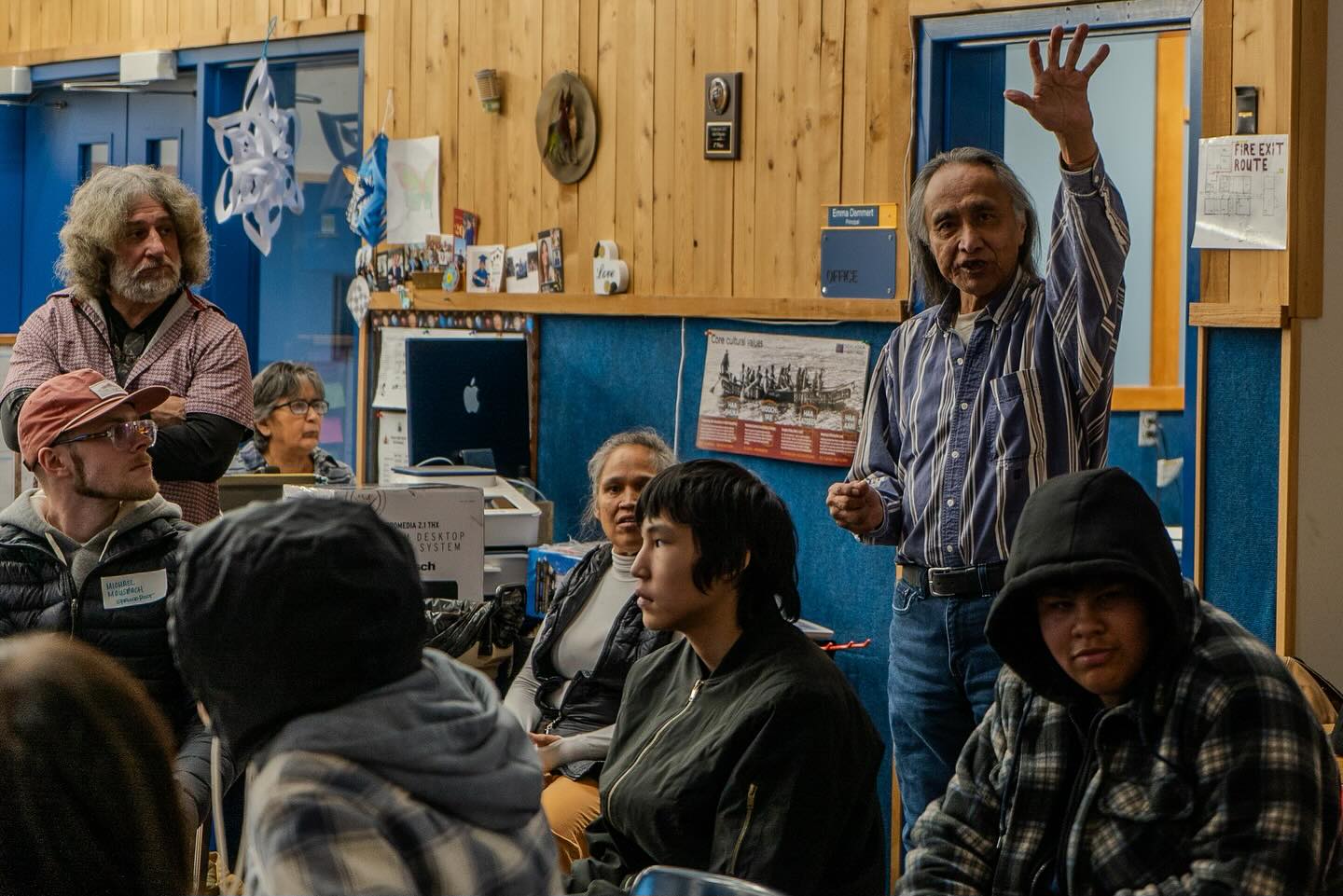
Its Path to Prosperity programs, for example, support local businesses that deliver positive social, ecological, and economic benefits for their communities. One-on-one business coaching and career coaching options lay the groundwork for individuals to pursue long-term growth. For example, more than 250 hours of business coaching in 2024 resulted in 20 business plans, 14 marketing campaigns, and 2 business exits. Business basics workshops teach attendees how to build their companies, while financial wellness workshops teach them to set clear goals and manage their money effectively. One such workshop, 2024’s Business Basics for Artists, provided 17 Indigenous artists with information on pricing, grant writing, and copyright law.
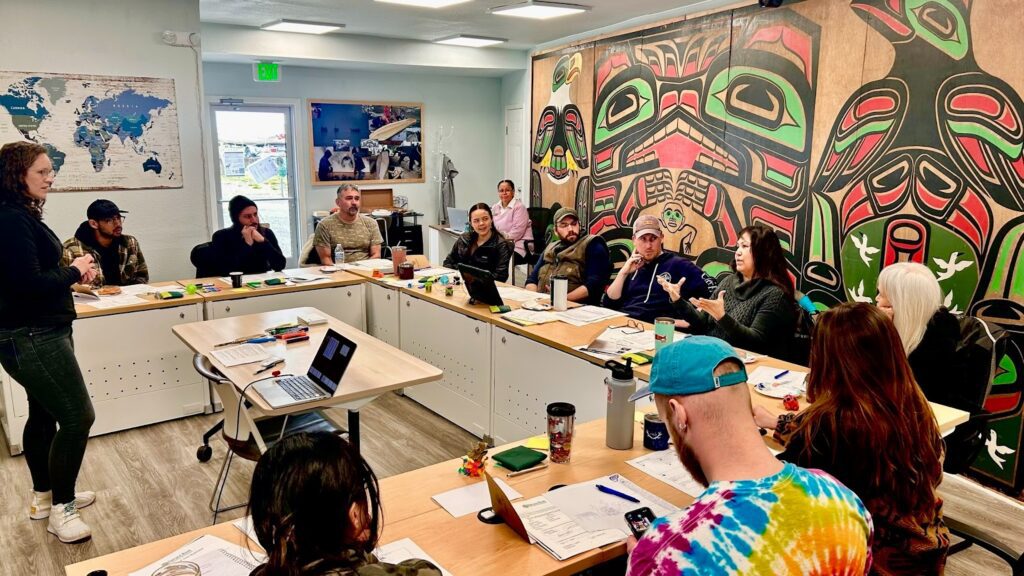
Photo Courtesy Spruce Root
Additionally, the annual Path to Prosperity Business Competition works with competitors to develop business models that pursue community, economic, and environmental impacts, and it awards two winners $20,000 each to be spent on consulting services, technical assistance, or long-term capital expenditures. Over 12 years, more than 458 businesses have applied, and 26 winning companies with 168 entrepreneurs have won $760,000 to invest in themselves. Past winners have included Juneau-based Sitkana, which produces underwater turbines that generate electricity from flowing water, and Four Winds Farm, which grows and delivers locally fresh produce.
Last year, the company added a STEM focus for one of its two awards. Executive Director Alana Peterson explained to Alaska Business Magazine, “Often, Alaska Native entrepreneurs don’t see their ideas as being STEM, and the competition this year gives us an opportunity to really tell another narrative and reach entrepreneurs that have been thinking about STEM businesses for years but maybe would never have used such a Western term to describe it.”
Video Courtesy Sitkana
In 2023, Spruce Root also partnered with JumpScale to launch the Resilience Circles program, which takes a holistic approach to entrepreneurship, that “healthy communities rely on strong local businesses, and business success is deeply connected to personal and cultural well-being.” The CDFI says the program “fosters and connects trusted healing justice support for entrepreneurs who have historically been mistreated and underserved,” aiming to increase the amount of money, expertise, and opportunity that remains in Native villages and thereby enhancing the well-being and success of Native-led entrepreneurs and businesses. The hope is that they will, in turn, produce positive ripple effects throughout their communities and business ecosystems, including “ecosystem guardianship, long-term economic resilience, comprehensive well-being, and community mental health.”
Video Courtesy Spruce Root
Spruce Root also acts as the governing body for the Sustainable Southeast Partnership (SSP), providing support and coordination for a network of Tribal governments, native corporations, community-based organizations, local businesses and entrepreneurs, and educators and experts. Spruce Root is also the fiscal sponsor for the Seacoast Trust, which was designed by Southeast Alaska Indigenous leaders and Sealaska, the largest private Alaska Native landowner, to fund the SSP’s work.
Participating members, or ‘catalysts,’ serve as ambassadors for SSP’s mission and values, going out into the world as “compassionate change-makers who connect resources, people, ideas, and networks.” They also act as storytellers, sharing their experiences and ideas in an annual magazine called Woven: Peoples & Place. “These stories and voices are connected because we are connected: woven together, we are strong,” the collective explained.
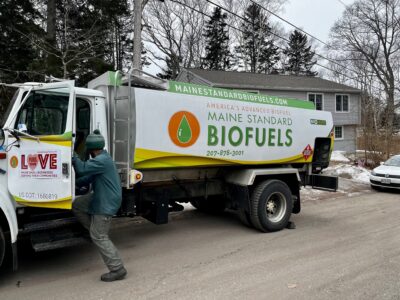
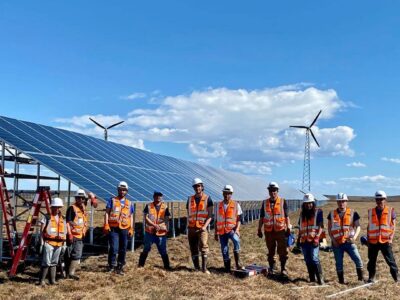
Community and regional catalysts lead a range of projects across the state, “leverag[ing] their unique perspectives, expertise, experiences, resources, and insight to catalyze on-the-ground initiatives that build cultural, ecological, and economic prosperity for our communities and region,” the SPP described. For example, they collaborate with communities to evaluate and improve their food systems, redirecting community waste streams, such as fish processing and wood waste, into regenerative uses, like organic fertilizers. They also assist communities in adopting heat pumps, biomass heating systems, and electric vehicle charging infrastructure, and they provide resources about energy for both children and adults. Each of these community-focused efforts improves the quality of life in Southeast Alaska.
Meanwhile, the SPP’s Indigenous Guardians program supports Alaska Natives in co-managing their lands and waters, and its Community Forest Partnership program collaborates on community forestry initiatives that simultaneously benefit environmental resilience and economic development. In 2024, for example, the SPP provided training and workshops for the U.S. Department of Agriculture’s Forest Service to ensure meaningful dialogue with local communities regarding the Tongass National Forest Plan Revision, thereby helping preserve a critical carbon storage solution.
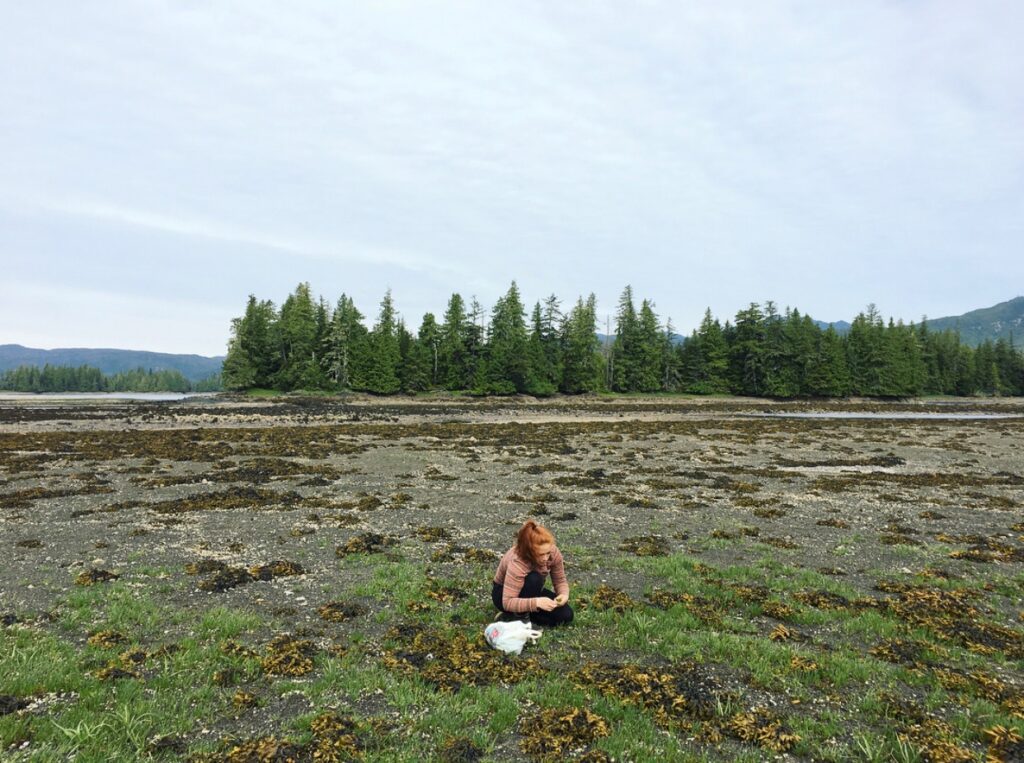
Photo Courtesy The Sustainable Southeast Partnership
“The SSP is effective because our partners are engaged,” Marina Anderson, SPP Program Director at Spruce Root, described. “We are grateful for our partners leaning into our values and pulling the canoe forward together. Collectively, if we know which direction our course is and our paddles are in sync, we are able to glide smoothly through any waters, whether they be calm or rough.”
The funds invested by the Seacoast Trust go a long way. The communities impacted by SSP see an average benefit-cost ratio of 7.15 to 1, so the trust explains, “For each $40,810 invested annually in each SSP target community, that community reaps benefits worth $291,853.” The impacts are far more than economic, though. They advance Indigenous-led stewardship and economic sovereignty, provide sustainable employment opportunities, enable people to remain and thrive in rural Southeast Alaska, and contribute to the healing and wellness of people, lands, and waters. They demonstrate what community-led initiatives can achieve and build a scalable model for other communities to implement. “By shifting power and resources directly to local communities,” the Seacoast Trust wrote, it “supports a future where ecological stewardship and economic prosperity go hand in hand.” Essentially, “we are building a legacy of abundance for generations to come.”
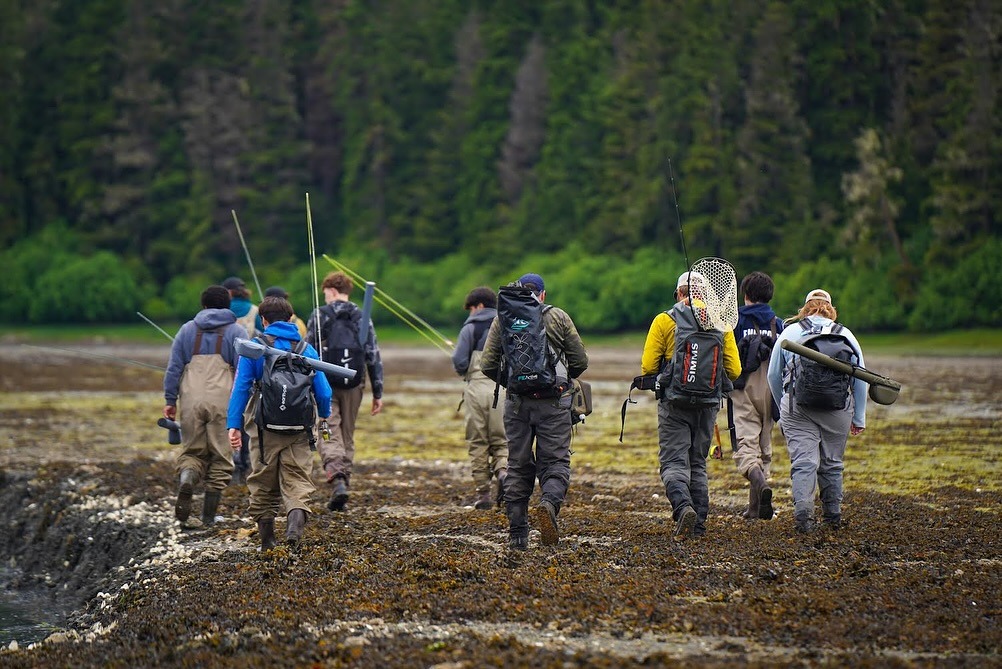
Photo Courtesy Bethany Sonsini Goodrich and Shaelene Grace Moler