
(Bloomberg) —
A coalition of asset managers and pension funds managing a combined $18 trillion of assets said investors are systemically underexposed to the mining industry, posing a risk for a sector that’s critical to decarbonization and economic growth.
Mining is an industry that has been widely shunned by sustainable-minded investors due to environmental and social scandals linked to child labor and toxic waste. The sector also is excluded from some portfolios because of ESG-related restrictions. However, the technologies and infrastructure needed to power a low-carbon world from wind to solar and electric vehicles require vast amounts of minerals and metals.
“It’s a challenging sector, therefore it’s much easier to underweight, not lean in and often exclude,” Adam Matthews, chair of the Global Investor Commission on Mining 2030 and chief responsible investment officer for the Church of England Pensions Board, said in an interview.
“We’re challenging the whole concept that mining is an industry that you shouldn’t be associated with,” he said. “It’s quite the reverse: You should be.”
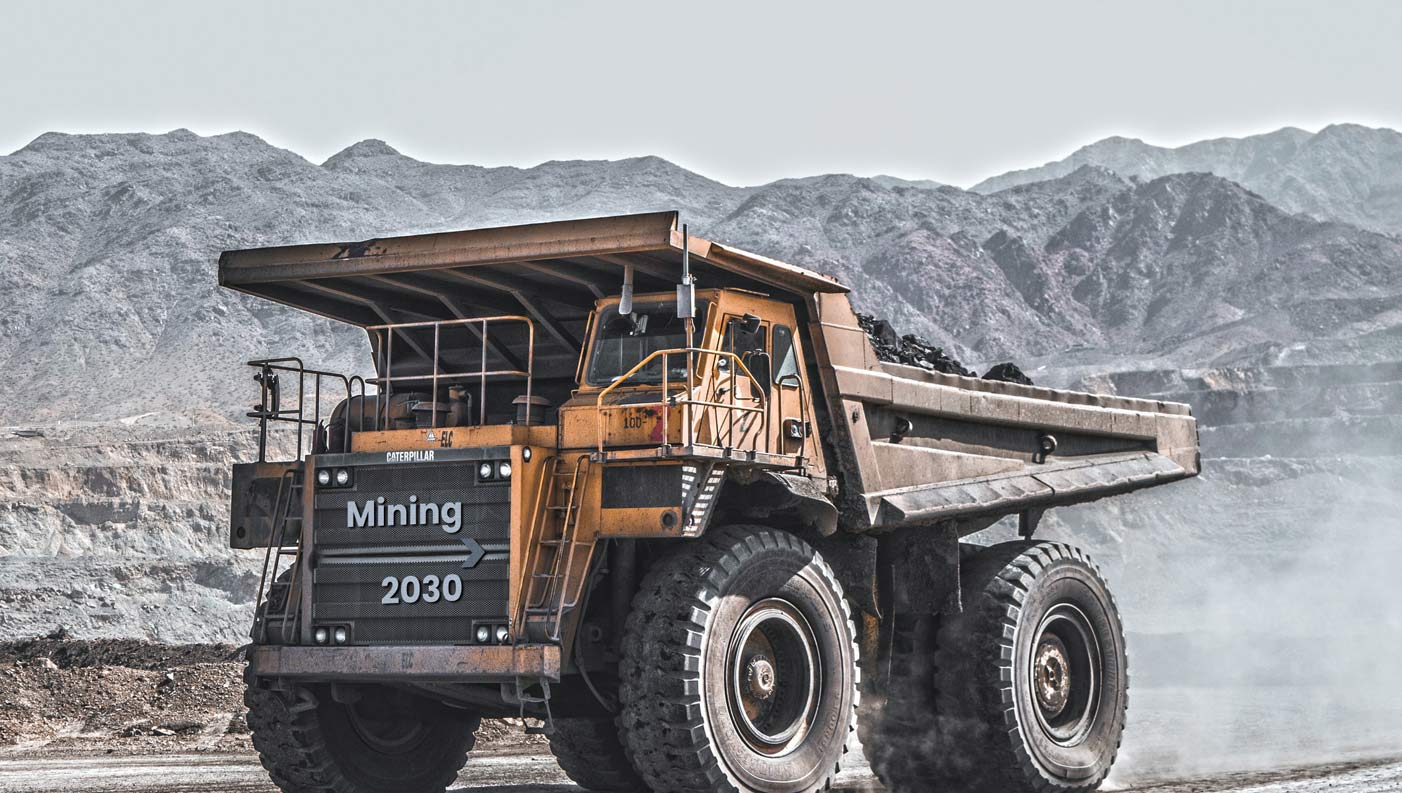
The comments come as the Commission on Mining, an investor-led group launched in 2023 with the help of the United Nations, has published its 10-year vision and recommendations for a more socially and environmentally responsible mining sector. The group counts the global asset management businesses of Legal & General Group Plc, Royal London Asset Management and Pacific Investment Management Co. among its supporters.
“Responsible mining is essential to the low-carbon transition, and those who lead with integrity will deliver long-term value for people and the planet,” Ashley Hamilton Claxon, head of responsible investment at Royal London Asset Management, said in a statement.
A key aim of the Commission on Mining is to unlock investment in the sector. The new vision “offers a pathway for mainstream investors to respond to the growing demand for metals and minerals required to deliver global clean energy, digital infrastructure needs, as well as to support agriculture and many other sectors, that society depends upon,” the commission said on Monday.
Another ambition is to get ESG professionals to “adopt more nuanced assessments in their frameworks and methodologies, so that the mining industry isn’t by default ranked poorly relative to other industrial sectors.”
The Church of England Pensions Board plans to “review a number of our current investments that do have filters to look to remove them,” Matthews said. And the pension fund will consider allocating more capital to mining companies that are “operating to the best standards,” he said.
ESG investors led by the Church of England Pensions Board, which manages the retirement savings of the Anglian clergy, have focused for several years on improving the safety, environmental and human-rights records of the mining industry. The 2019 collapse of a tailings dam in Brumadinho, Brazil, that killed 270 people was a key catalyst for sustainability-minded investors to begin proactive engagement with miners.
Currently, the church pension fund has an allocation to mining that’s less than 1%, which is consistent with the industry’s position in global equity indexes.
Other key recommendations from the Commission on Mining include the creation of an independent international minerals agency to monitor the global demand and supply of minerals, track illicit minerals flows and support best-practice legislation. In addition, the commission is working on a framework to assess the mining regulations of sovereign bond issuers and how countries govern the industry to pinpoint embedded risks and opportunities.
A delegation of investors recently presented the plan to Brazil President Luiz Inácio Lula da Silva ahead of the COP30 climate summit. Lula was “extremely receptive” to the recommendations, Matthews said.
© 2025 Bloomberg L.P.