Peaks Renewables, a subsidiary of Summit Utilities, launched in Maine in 2013 when it began building a natural gas system there. Between 2013 and 2019, the company invested more than $340 million to make natural gas available in Kennebec Valley, Cumberland, Falmouth, and Yarmouth, installing over 250 miles of pipeline and offering $3 million in energy-efficiency rebates to help customers transition from oil to natural gas. Switching from oil to natural gas for heating reduces carbon emissions by 27%, and adopting energy-efficient equipment further reduces them by an additional 11%. “This is a carbon avoidance equivalent to installing solar panel systems to meet a family’s yearly electric needs on two Maine homes,” the company stated. By 2019, the company had reduced carbon emissions in Maine by an estimated 69,000 metric tons per year, equivalent to removing 15,000 cars from the road.
In 2019, Peak Renewables decided to take its impact even farther. The company announced it would invest about $20 million in a renewable natural gas initiative that would involve partnering with Maine dairy farmers to build an anaerobic digester in Clinton and develop home-grown renewable natural gas. “Our renewable program is the next step in our ongoing efforts to reduce greenhouse gas. It’s simply the right thing to do for our customers, our business, and our children,” said President and CEO Kurt Adams. Plus, the economic impacts would be significant, as Chief Development Officer Angus King III added to WGME, “The ability to make homegrown energy, create green jobs, and support some farms while doing something good for the planet is a rare opportunity.” Peaks is expected to create up to eight jobs, with half operating the digester and half transporting manure between the farms and the facility.
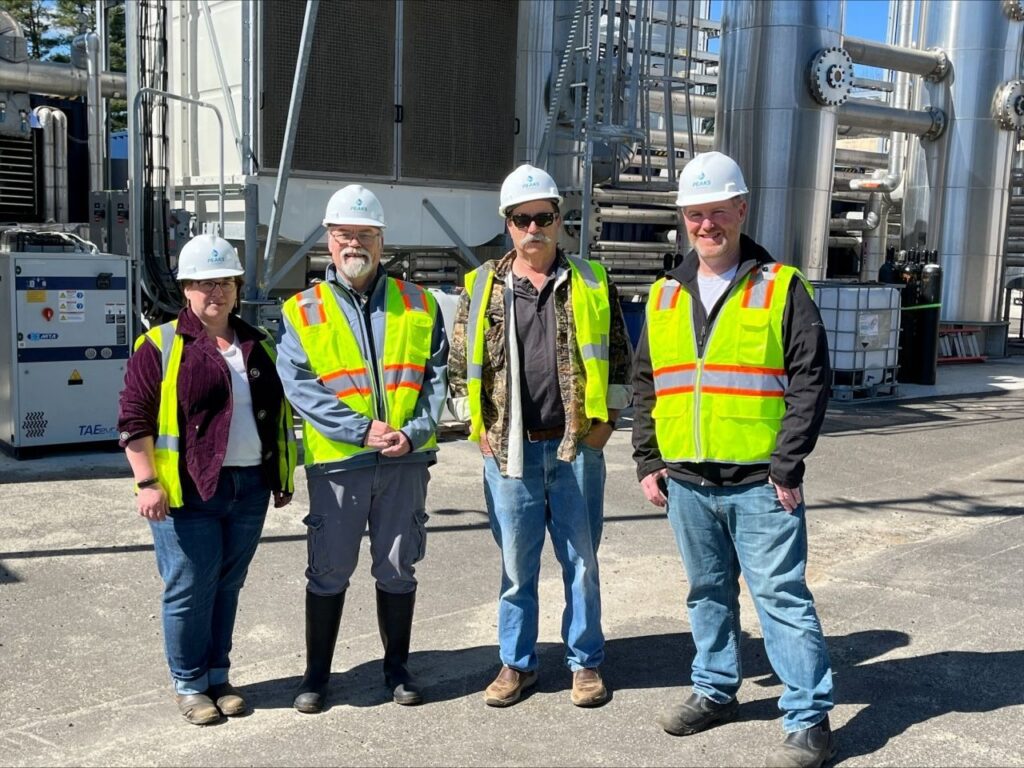
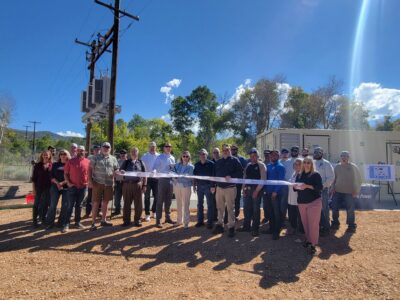
Photo Courtesy Peaks Renewables
The company chose Clinton, called the “dairy capital of Maine,” because five of the dairy farms there account for 17 percent of the state’s production. The company sources manure from Flood Brothers Farm and Wright Place Farm in Clinton, Gold Top Farm in Knox, Taylor Dairy Farm in St. Albans, and others. That organic waste would emit methane into the atmosphere, but Peak Renewables instead heats it to produce biogas and cleans it so it can enter the pipeline system for uses such as cooking and heating throughout Augusta, Waterville, and Madison. Summit buys the gas to distribute to customers. “We’re using existing infrastructure, the pipes that we already have in the ground, to remove those emissions. I feel like that’s a very Maine thing to do. Taking something that you already have, the pipes, and taking something that nobody wants — emissions — and putting both of them to better use,” King told Central Maine.
Peaks produces about 130,000 MMBtu of gas per year, enough to meet 45 percent of Summit’s annual residential gas demand in the state. The process eliminates about 28,000 metric tons of carbon emissions, equivalent to removing 6,500 cars from the road each year. Plus, the process will produce byproducts in the form of liquid fertilizer and solid bedding, which the company will return to the farms at no cost. “Even though Summit is going to be taking the manure, we’re going to be getting the most valuable part of the manure back on our farm. We’re actually enhancing it,” second-generation farmer Jenni Tilton-Flood explained to Central Maine. “This is really a good benefit for our farm. This will be felt by us financially in a very, very positive manner.”
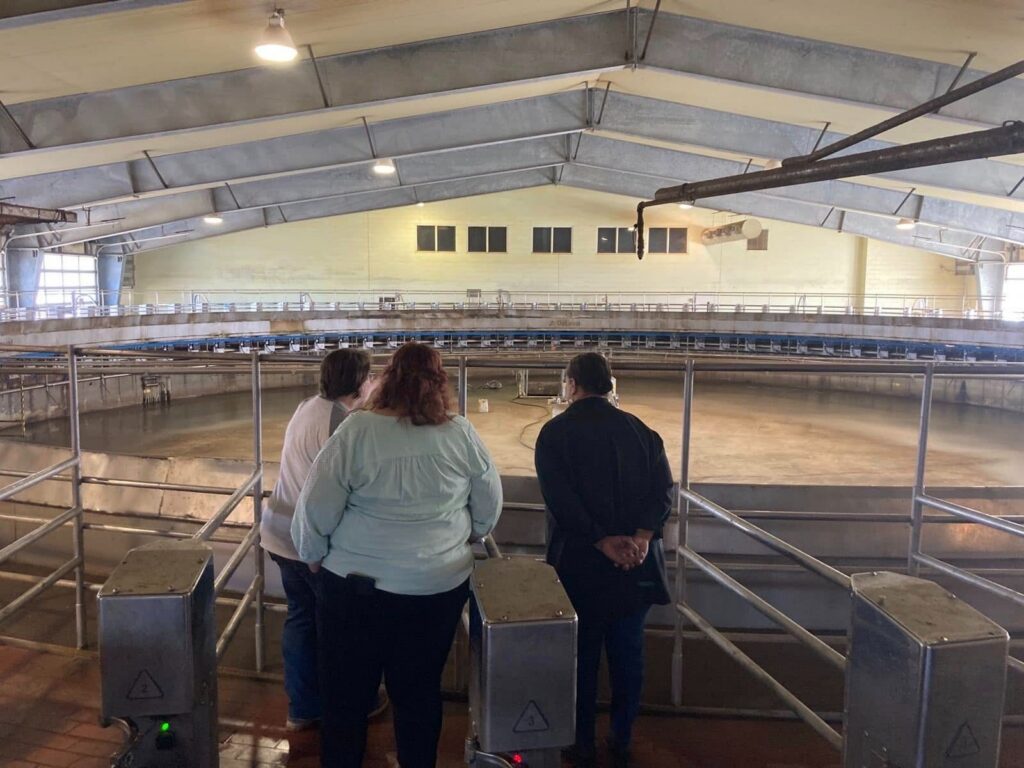
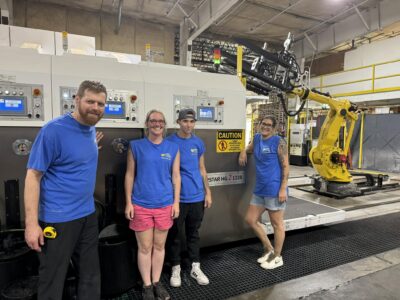
Photo Courtesy Senator Rachel Talbot Ross
The facility itself is at the Flood Brothers Farm, the largest dairy farm in the state, now with 3,100 cows, producing up to 100 pounds of manure and shipping 14,000 gallons of milk daily. “We are grateful for the opportunity to partner with Peaks and Summit to utilize the abundant resources of our farms and our cows to unlock this renewable resource that can be used to benefit Maine families, communities, and businesses through the generation of home-grown natural gas. We are proud to be the home of sustainable, local nutrition and energy,” said Tilton-Flood. The digester holds about 4 million gallons of manure, where it remains for about a month, and can digest 175,000 gallons daily.
The gas benefits local residents and businesses by enabling them to reduce their environmental impact, lower costs, and achieve energy independence. A voluntary renewable program lets Mainers pay an additional monthly fee to purchase renewable gas attributes, helping them offset their carbon emissions. Dan Burgess, former director of the Maine Governor’s Energy Office, added, “Maine is the most heating-oil dependent state in the country, with more than 60 percent of households reliant on oil to heat their homes in the winter months. This project has the potential to move Maine towards greater energy independence while reducing emissions and providing additional support for Maine’s dairy farmers.”

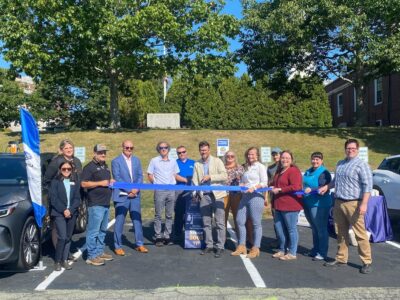
Photo Courtesy The Wright Place LLC
In 2021, U.S. Sen. Susan Collins and Reps. Chellie Pingree (ME-01) and Jared Golden (ME-02) announced that Peaks Renewables was one of 22 grantees chosen by the U.S. Department of Energy (DOE) to receive part of a $64.7 million award for the development of low-carbon biofuels. The DOE awarded Peaks Renewables nearly $4.5 million for the country’s first on-system biomethane-hydrogen pilot.
Congressman Golden reacted, “By working with dairy farmers to turn farm waste into renewable energy, this cutting-edge facility in Clinton will help support Maine’s family dairy farms, keep our air clean, and provide renewable, affordable energy for our state. It’s another example of workers in our heritage industries — like farming, logging, or shipbuilding — innovating and adapting to meet the challenges of the future.” The project is also a recipient of other grants, including from Efficiency Maine and the Maine Technology Institute of Brunswick.
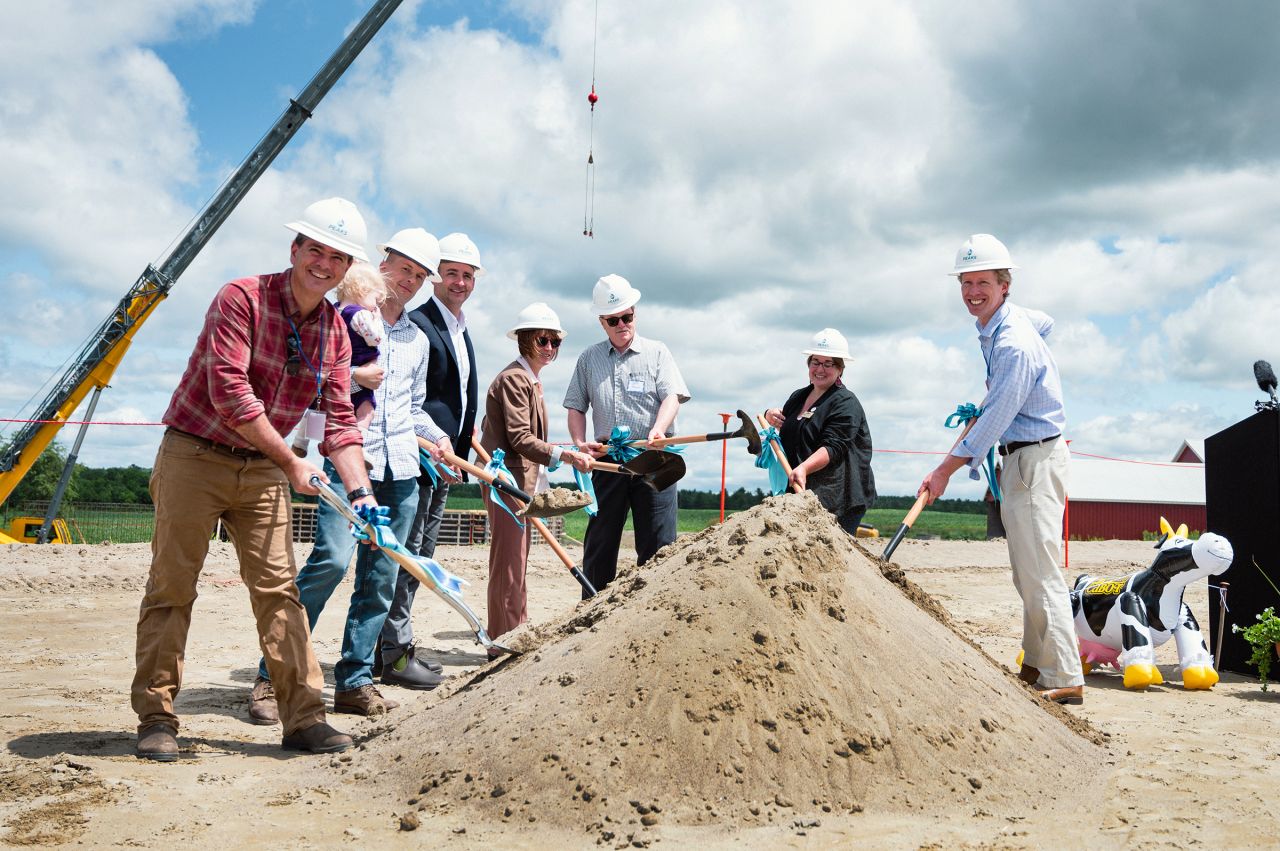
After breaking ground on the dairy digester in July 2022, the digester began delivering gas in September 2023.
Recognizing that dairy farming can have an environmental cost, Tilton-Flood described to News Center Maine, “What we’re doing is making sure that the goodness outweighs that toll. That’s the way we have to look at everything. Everybody’s gotta eat, and every cow’s gotta poop, we’re gonna make sure it works right for everybody.”