In Washington, Maine, Meadowcroft Farm is the epitome of a sustainable operation. Guild member and owner, Nanne Kennedy, remembers her whole childhood being shaped by agriculture, as she told the International Labor Organization, “When I was very young, my father would send me out into the fields, and I would wander around the farm exploring the forest and mapping out the old stone walls. I loved the farmhouse, and I love the land I grew up on.” She even started putting money into a “future farm fund” at the age of 12, she remembered on the Long Thread Podcast.
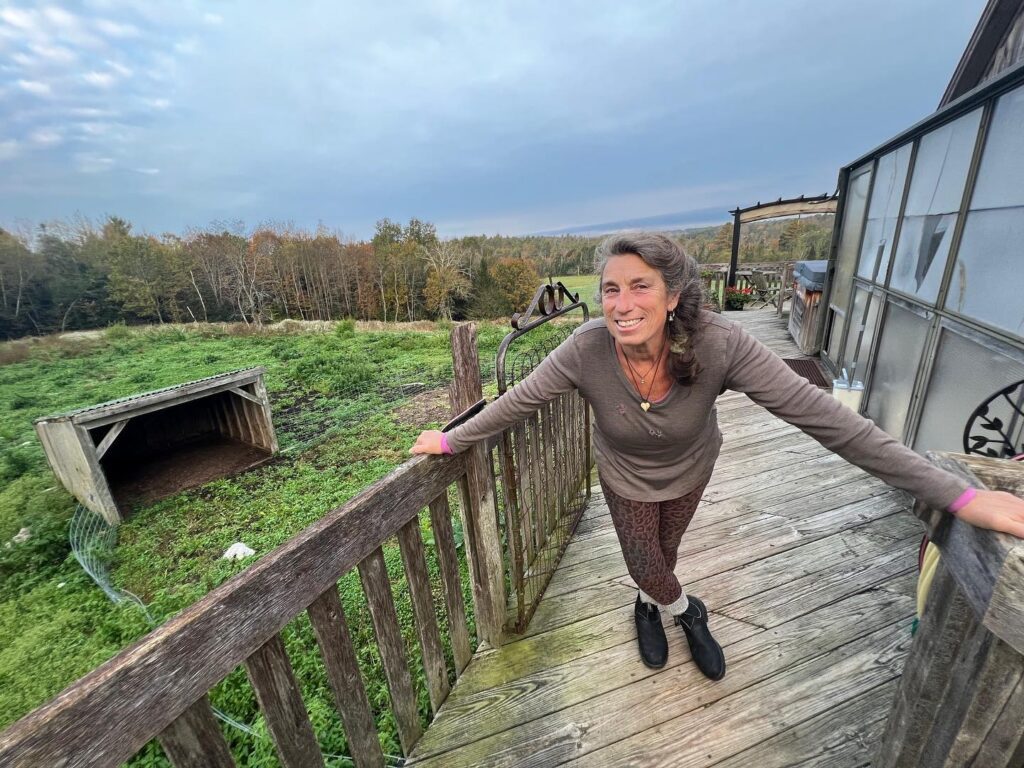
Photo Courtesy Get WOOL:Seacolors Yarnery at Meadowcroft Farm
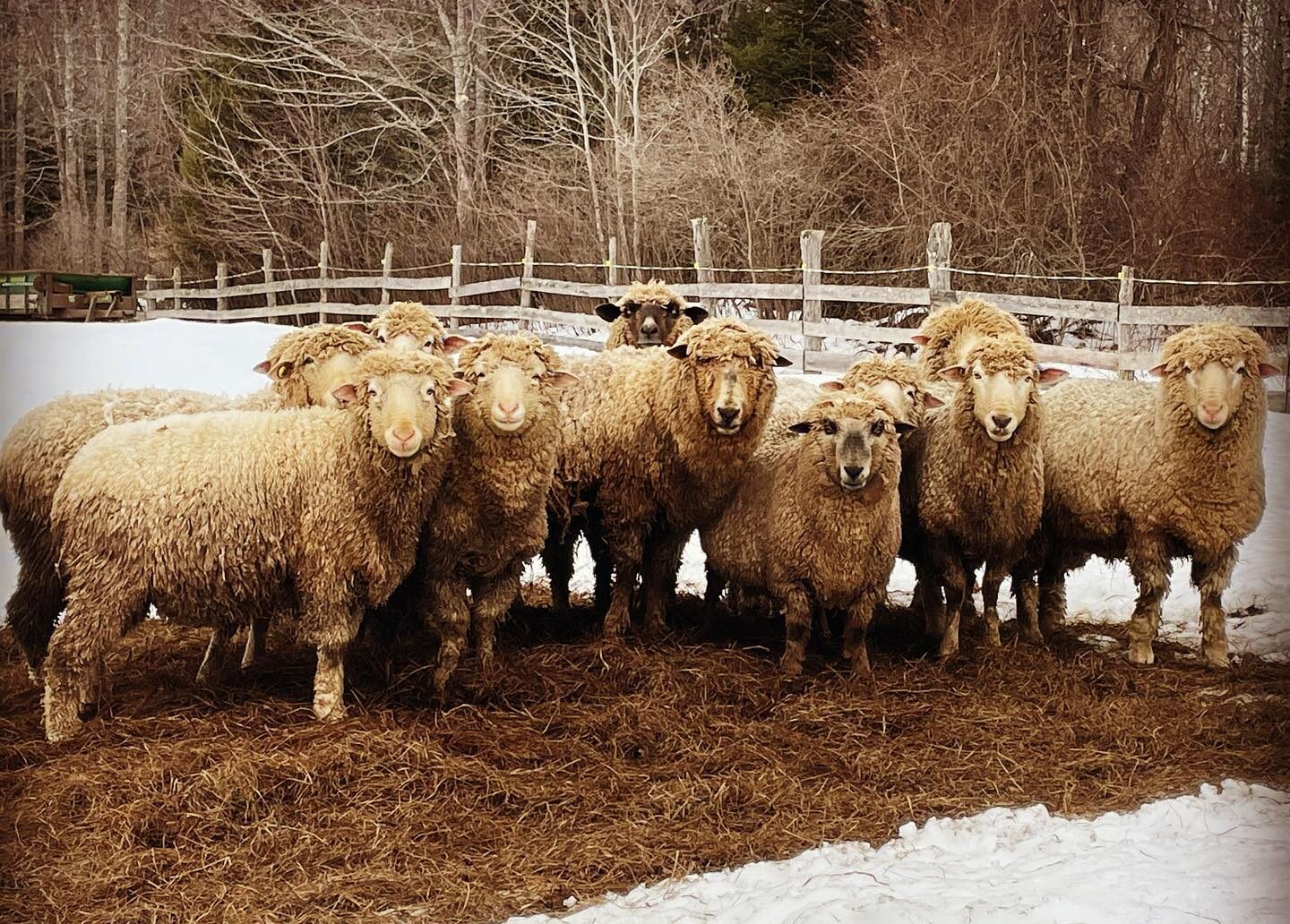
Kennedy’s primary focus is wool production. She has been raising sheep since 1981, and now has a herd of nearly 200 Polwarth sheep on the 80-acre farm, half of which consists of pastures and half is forested. According to the New Zealand Sheepbreaders Association, Polwarth sheep were introduced to Australia more than a century ago and brought to New Zealand in the 1930s. Kennedy became interested in them while attending shearing school in New Zealand. She then imported genetics from Polwarth rams in 2017 to create “the only Polwarth on the continent that I am aware of,” and this year will bring her biggest litter of lambs thus far. Like cashmere goats, their wool is extremely soft and “wouldn’t itch even if they wanted to,” but due to the thickness of their coats, there is even more to harvest. Her ultimate goal is to “challenge the synthetics in our wearables and home goods.”
As a sustainable farmer, Kennedy is “committed to creating viable agricultural models that support both economics and ecologies.” She chose to raise sheep because they are “such a sustainable creature,” she described in a YouTube video, “They graze their own feed, they spread their own manure, they give more than one commodity, they are very low impact on the land if they’re managed properly.” Kennedy has developed a regenerative, rotational pasture system for the grass-fed animals, even in winter, when she feeds the sheep an ensiled grass mix fermented to enhance enzyme activity and ruminant health, which is “even better than what they would eat in the wild.” The sheep, in turn, “keep building the carbon sponge and improving microbial life” in an area that once consisted of a watershed glacial moraine. In fact, “half the weight of wool is MORE sequestered carbon,” Kennedy exclaimed. As a result, the farm is certified with Green America.
Thanks to the company’s bioregional commitment, all the wool is “sourced, scoured, spun, knitted or woven” within a 5-hour radius, then blended with her own wool and dyed at Meadowcroft Farm. All farm partners are also dedicated to grass-feeding, which reduces the amount of petroleum used to harvest, feed, and fertilize. “Clean water, clean air, and clean soil are our infrastructure. We should be creating solutions to help farmers protect and regenerate the land,” she explained of the importance of her process. Therefore, products are guaranteed to be “all natural, all local, and all petrochemical-free.”
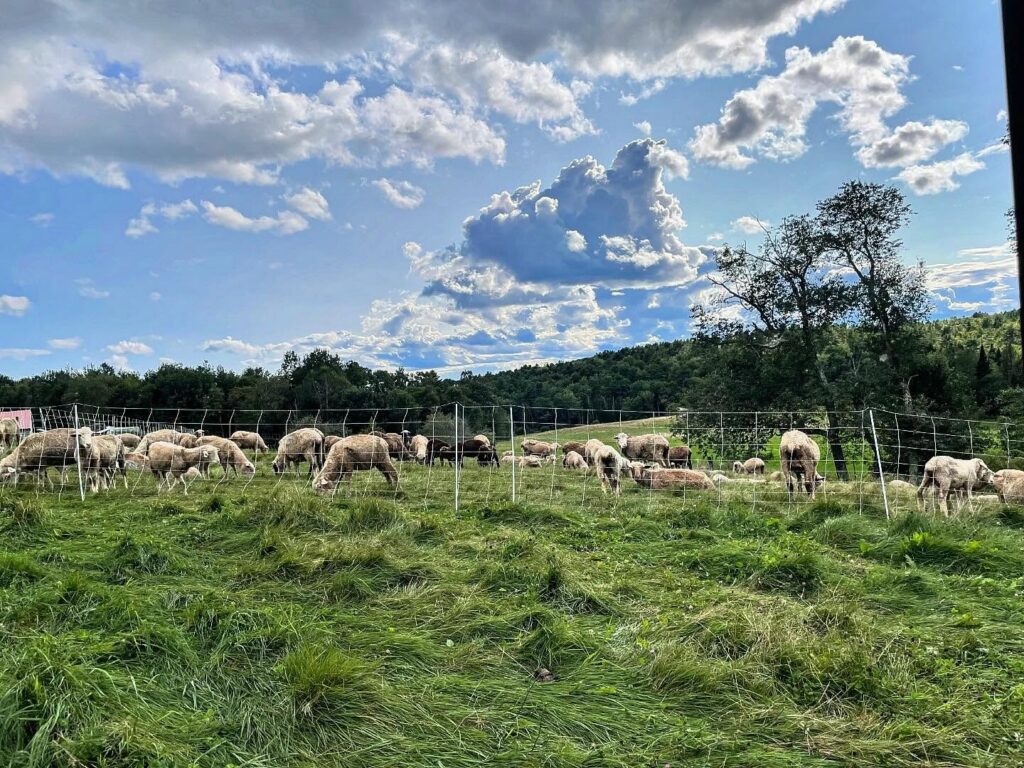
Photo Courtesy Get WOOL:Seacolors Yarnery at Meadowcroft Farm
After hand-spinning the wool, Kennedy hand-dyes it to produce Seacolors Yarns. She likens the yarnery to a winery, as “crafting of color depends as much on the weather and the breedstock as it does the artisanal blending of good taste.” Her SEACOLORS™ process uses a solar system to heat vats for prewashing, rinsing, and dye application, and to run the drying station. Additionally, she sets what she calls “the greenest dyes of the day” with a process that involves seawater and food-grade acid like vinegar, which “gives the yarns watery colors as soft as the wool itself.” This method is superior to using chemical salts or metals like aluminum or copper, which “gives a ‘picky’ feeling and makes the wool feel like it’s had a perm.”
Kennedy washes the wool with soap, rather than detergent, then captures the water used for washing and rinsing for irrigation. Plus, leftover dyes are reused in the next vat of colors, minimizing waste. “This process is greener, has a lower carbon footprint, has less waste, and is completely recyclable,” she summarized.
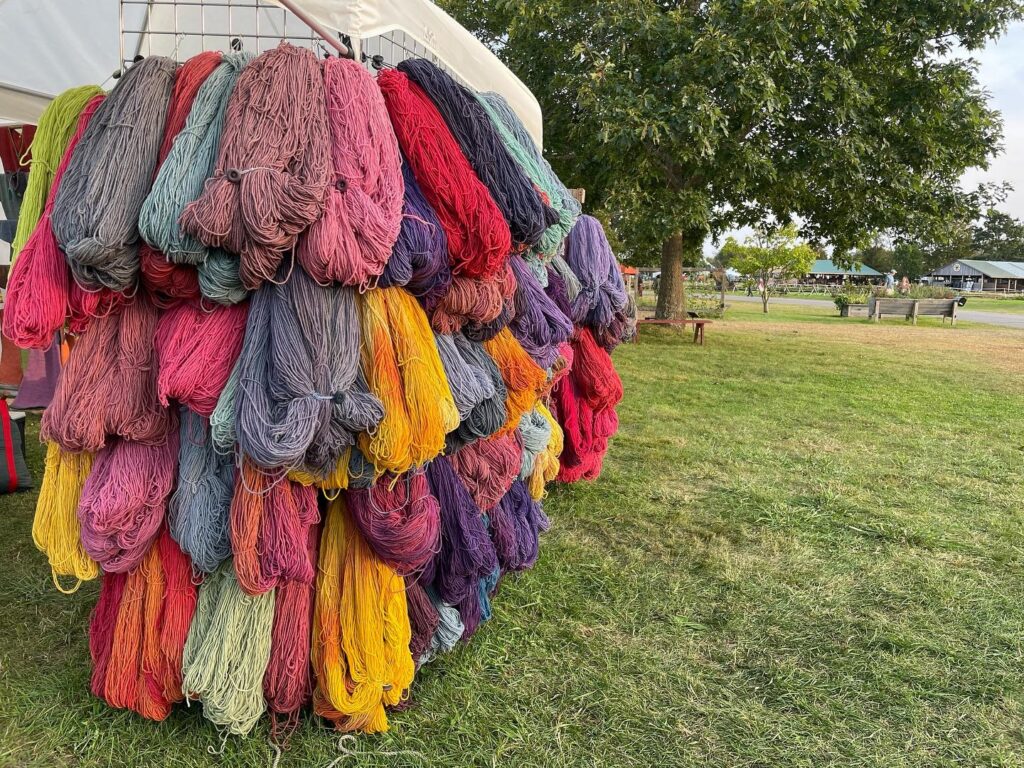
Photo Courtesy Get WOOL:Seacolors Yarnery at Meadowcroft Farm
In addition to selling the yarn and patterns, products include Seacolors Sweaters, available in cardigans, pullovers, tunics, and vests. Local Maine artisans, who Kennedy calls “cottage industry divas,” knit and crochet the sweaters in their own homes, often in areas with limited employment availability. One of the special touches is the novelty buttons, which are typically materials such as seaglass, beach stone with silver wire, or precious metal clay. The Real Maine Blanket, meanwhile, is produced at a wool mill that has been active for over a century, where they are woven on antique power looms. “The result is a lasting Maine-made keepsake that is as functional as it is beautiful,” the company describes. Additionally, “we have manufacturing staying alive in our communities,” she said.
Kennedy also supports other Mainers interested in getting into her industry. For example, a Small Ruminant Residency, which she describes as a “medical Residency, with sheep, and attending Farmer as professional development,” entails a one-year immersion living experience to learn all about sheep and wool production. She explained that it is an opportunity to get experience and acquire skills before investing in land, equipment, livestock, and infrastructure. Additionally, a month-long Sheep Doula Apprenticeship during lambing season offers the opportunity to explore the intricacies of breeding and regenerative pasture management, build a relationship with the sheep, and learn to work with the guardian Border Collies.
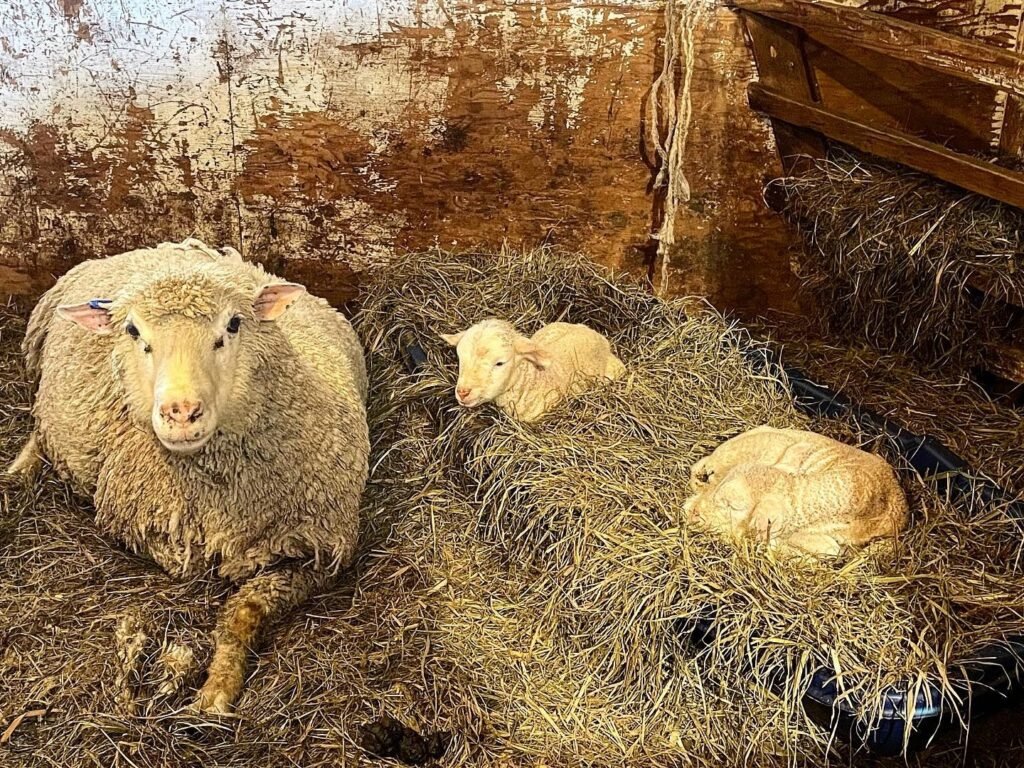
Photo Courtesy Get WOOL:Seacolors Yarnery at Meadowcroft Farm
While Kenny told the International Labor Organization that she “hasn’t made a ton of money or added a great deal to the gross national product… I’ve put my kids through private school. I put them through college. We haven’t suffered and we get to live in this beautiful place. And along the way, I’ve kept a lot of local people in business.”
The company backs up its “Good JuJu Guarantee” on all its products with Kennedy’s dedication to creating “with mindfulness and thoughtful intent at every step.” As Kennedy wrote, “Each of these items is a gift – from the land and the sea, and the creators producing it, for you to enjoy for a very long time. Smile, & know that you have supported the land, the farmers, the knitters, the artists, and a whole community, and now you are a critical part of that whole.”
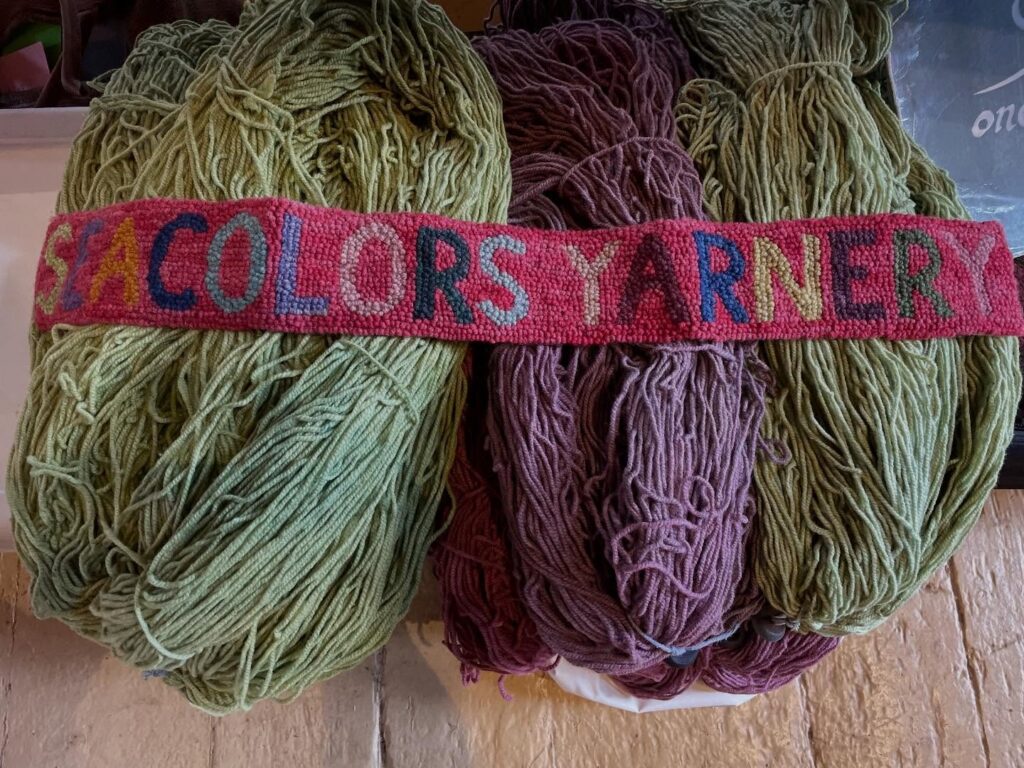
Photo Courtesy Get WOOL:Seacolors Yarnery at Meadowcroft Farm