In February 2023, Senator Susan Collins (R-Maine) and Senator Alex Padilla (D-California) introduced the Outdoors for All Act, and last December, the bill was passed as part of the Expanding Public Lands Outdoor Recreation Experiences (EXPLORE) Act. The Outdoors for All Act codifies the Outdoor Recreation Legacy Partnership (ORLP) program, established in 2014. This National Park Service-administered grant program uses funding from the Land and Water Conservation Fund (LWCF) to support park projects in disadvantaged communities that do not enjoy many opportunities for outdoor recreation. In order to qualify, a community must either have a population of 25,000 or be administered by an Indian Tribe or an Alaska Native or Native Hawaiian community organization.
The funding will help acquire land or water for outdoor recreational opportunities and build facilities that promote their use and enjoyment, including campgrounds, playgrounds, bike paths, trails, and cultural gathering spaces. “These investments enable urban communities to create new outdoor recreation spaces, reinvigorate existing parks, and form connections between people and the outdoors,” the National Park Service explains on its website. Thus far, the program has invested over $100 million in grant funding, the most recent being a $254.68 million award for 54 projects across 24 states last September. The Interior Department also announced another $450 million funding opportunity through the program in December. Despite this impactful funding with bipartisan support, its status as a discretionary program put its future at risk, thus creating the impetus for this legislation.
According to a 2021 Trust for Public Land report, these investments are essential. The organization found that 100 million people, including 28 million children, do not live within 10-minute walking distance of a park. Its analysis of 14,000 American cities and towns revealed that parks serving mainly people of color are 50% smaller than those in mainly white neighborhoods, and parks serving low-income populations are four times smaller than those in high-income neighborhoods. There are multiple benefits to having access to large urban parks, though; they contribute to cleaner air and cooler temperatures, provide shade for residents, and even create jobs.
Senator Susan Collins said, “Our state is fortunate to have abundant natural resources that allow Mainers and visitors to enjoy our pristine environment. However, many Americans, particularly those living in urban and low-income areas, lack access to outdoor green spaces that allow them to experience the beauty of nature close to home. The bipartisan Outdoors for All Act would invest in these communities to support parks, playgrounds, trails, and other projects to help ensure Americans have outdoor recreation opportunities.” It is not the first time Sen. Collins has advocated for the great outdoors. She was also a co-sponsor of 2020’s Great American Outdoors Act. The legislation permanently funded the Land and Water Conservation Fund (LWCF), which had provided more than $191 million in funding to Maine over 50 years.
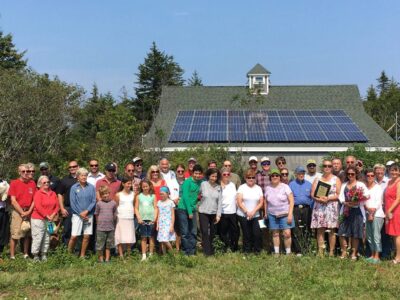
Photo Courtesy Maine Coast Heritage Trust
Senator Angus King (I-Maine) was also an initial co-sponsor of the Outdoors for All Act, which eventually expanded to include 28 senators from states including Illinois, Georgia, New Jersey, and Pennsylvania. Congressman Mike Turner (R-Ohio-10) and Congresswoman Nanette Diaz Barragán (D-California-44) introduced it in the House, and the list eventually expanded to include 81 co-sponsors from states including Arizona, Indiana, Kansas, Tennessee, and Texas.
Not only that, but numerous organizations voiced their support for the legislation, including:
- American Forests
- American Heart Association
- American Hiking Society
- Appalachian Trail Conservancy
- Children and Nature Network
- City Parks Alliance
- KABOOM!
- Kids Speak for Parks
- Latino Outdoors
- League of Conservation Voters
- LWCF Coalition
- National Association of State Outdoor Recreation Liaison Officers (NASORLO)
- National Association of State Park Directors (NASPD)
- National League of Cities
- National Recreation and Park Association
- National Wildlife Federation
- Natural Resources Defense Council (NRDC)
- Outdoor Alliance for Kids (OAK)
- Outdoor Industry Association
- PeopleForBikes
- REI Co-op
- Safe Routes Partnership
- Sierra Club
- Trust for Public Land
- Vista Outdoor
- YMCA of the USA
- The Wilderness Society
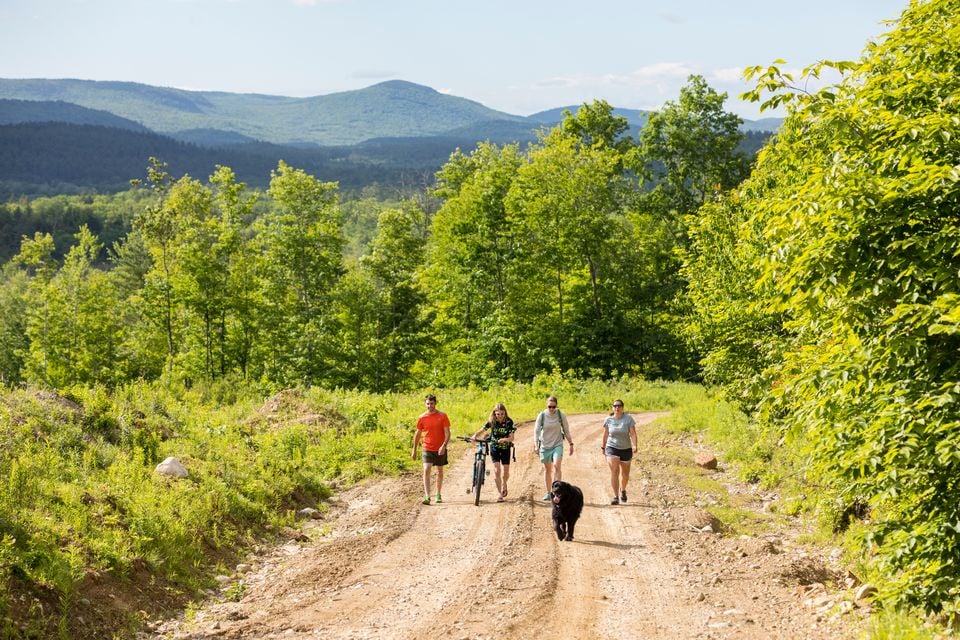
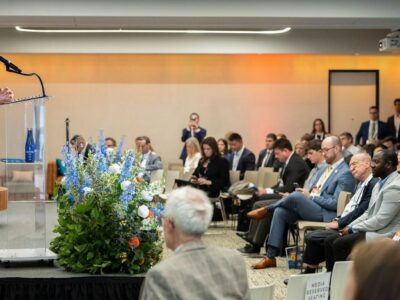
Photo Courtesy Trust for Public Land
As part of the EXPLORE Act, the bill has again received bipartisan support, with Rep. John Curtis (R-Utah-3) – now a U.S. senator – joining Rep. Raúl Grijalva (D-Arizona-7) and Rep. Joe Neguse (D-Colorado-2) as the original co-sponsors. They were later joined by Rep. Jennifer Kiggans (R-Virginia-2) and Rep. Dan Newhouse (R-Washington-4). The EXPLORE Act passed unanimously in the Senate before being signed into law on January 4.
The legislation is poised to do big things for the economy. According to the U.S. Department of Commerce’s Bureau of Economic Analysis (BEA), outdoor recreation contributed $1.1 trillion to the domestic economy and supported 5 million jobs in 2022. Jenny Kordick, Executive Director of Maine Outdoor Brands, elaborated, “The passage of the EXPLORE Act is a pivotal achievement for outdoor recreation in Maine and across the country. This legislation will ensure outdoor spaces are welcoming and accessible to all, while bolstering Maine’s $3.4 billion outdoor recreation industry, supporting jobs, and driving economic growth in communities across our state.
In addition to the benefits housed in the Outdoors for All Act, the entire EXPLORE Act seeks to improve visitor experiences at parks by implementing modern technology like broadband connectivity and digital visitor passes; improve accessibility to such locations for children, people living with disabilities, active military service members, and veterans; and cut fees and speed up permitting processes for small businesses that need access to public lands.