Over 50 years ago, a fisherman named Chuck Bundrant founded Trident Seafoods in Seattle, with operations and partnerships across Alaska. His boat, the Billikin, became the first American crab ship that could catch and process on the same vessel. Since then, the company has become North America’s largest vertically integrated seafood company. Even after Chuck turned the company over to his son, Joe, in 2013, Trident Seafoods has remained committed to its original vision of making people’s lives better and to its mission of sharing wild Alaska seafood with the world responsibly.
With a “Fleet to Fork” strategy, Trident Seafoods uses its own fleet and its partner fishermen to catch wild cod, crab, halibut, pollock, rockfish, and salmon in American waters, thereby ensuring all products are fresh and of the highest quality. Trident Seafood’s story is not just a story of American production, but specifically Alaskan production. With 6,640 miles of coastline, Alaska has almost half the 12,383 miles of the contiguous U.S. In fact, two-thirds of America’s wild-caught fish and shellfish come from Alaska, meaning the state produces more seafood than the combined total from all other states.
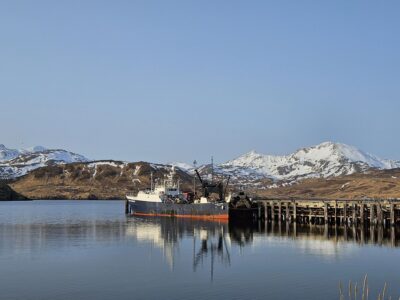
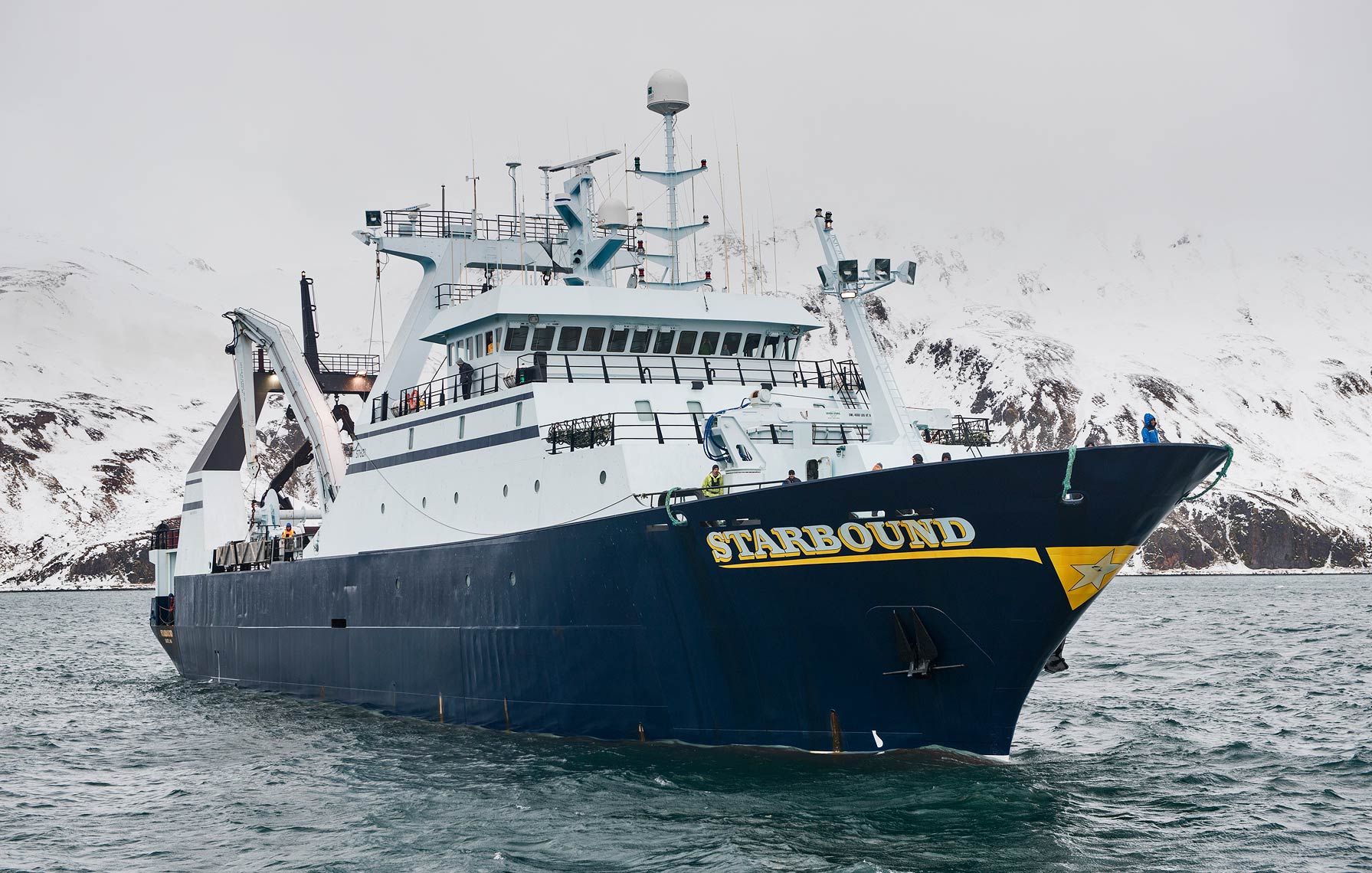
Trident’s fleet consists of 27 ships serving various purposes. A 356-foot processing vessel, the Independence, is operated by more than 200 workers who follow herring north in the winter and salmon south for the summer. Meanwhile, the three 300-foot ships that are part of the catching and processing fleet each have a processing plant below deck, where more than 100 employees process wild Alaska pollock right after it is harvested from the fishing grounds. Whether a Trident ship is a behemoth that employs hundreds of locals, or a smaller catcher vessel with only four to five crew members, the entire fleet is spurring local economic development and creating jobs.
Those benefits also extend to Trident’s network of independent fishermen, which it calls “the cornerstone of our business” and “part of our family” on its website. This network consists of over 2,700 fishermen and crew members, many of whom have partnered with Trident across three generations of fishing families. Trident’s Fishermen’s Pledge promises never to leave a problem unresolved that a fisherman brings to their attention. Beyond a paycheck and Trident’s mission to “help all fishermen become more profitable and efficient in their harvesting operations,” these fishermen also benefit from the company’s fleet management services, with teams of former fishermen in Alaskan and Lower 48 waters offering support by providing groceries and fuel, moving nets and freight, and ordering parts.
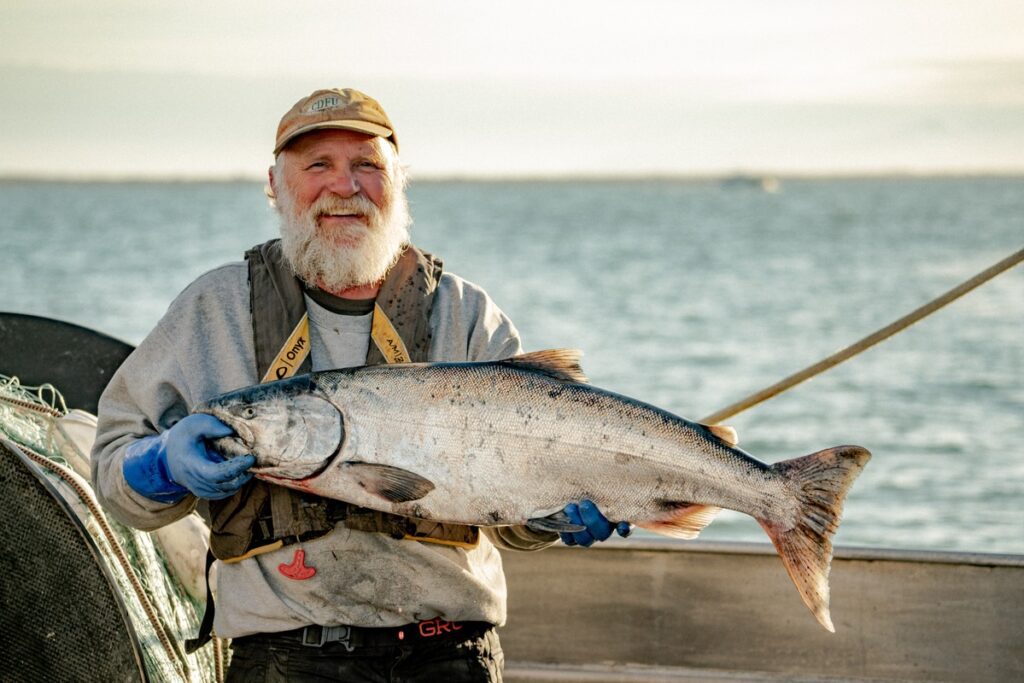
Photo Courtesy Trident Seafoods
Onshore, Trident operates 28 locations across the United States and internationally, including 10 shore plants in Alaska. Its seafood processing facilities represent multi-million-dollar investments in remote communities, with additional millions added on annually for maintenance and upgrades. It therefore contributes tens of millions of dollars to the state and localities through fisheries landing taxes, which are used to support local schools, infrastructure, and roads.
The company’s location in Akutan is the continent’s largest seafood production facility, employing more than 1,400 people during peak seasons and processing over three million pounds of raw pollock and other fish into boxed seafood and surimi daily. A facility in Cordova, with easy access to both the Copper River and Prince William Sound salmon fisheries, employs 500 workers every summer to produce canned salmon and wild salmon oil. In North Naknek, bordering Bristol Bay, more than 600 seasonal workers turn harvests into heated and gutted fish or individually quick-frozen fillets. The Sand Point location supports local independent fishermen who harvest wild Alaska cod, crab, halibut, pollock, and salmon from the central Gulf of Alaska, and between 50 and 120 seasonal employees process approximately 180,000 pounds of salmon daily. The Wrangell plant, in particular, supports independent fishermen harvesting salmon, with 120 seasonal workers turning 750,000 pounds of raw fish into heated and gutted, frozen fish per day. Finally, the St. Paul facility focuses on snow crab production, employing 280 seasonal workers who can butcher, cook, freeze, and box up to 400,000 pounds of snow crab daily.
Across all departments, including processing, product, engineering, research and development, marketing, sales, operations, and support roles, Trident employs nearly 8,000 people. Additionally, their four-year Trident Skilled Trades Training Program helps source and train a local workforce, providing them with an hourly wage and a full-ride scholarship to the Alaska Vocational Technical Center. The company also invests in its current employees, spending $1.7 million on wellness incentives over the past two years and providing resources for learning and development, such as on-demand access to the LinkedIn Learning Hub. As Joe Bundrant reminisced in last year’s sustainability report, “We have some of the most talented people in the industry working together to provide the most delicious wild-caught Alaska seafood from the best-managed fisheries in the world — and it shows.”
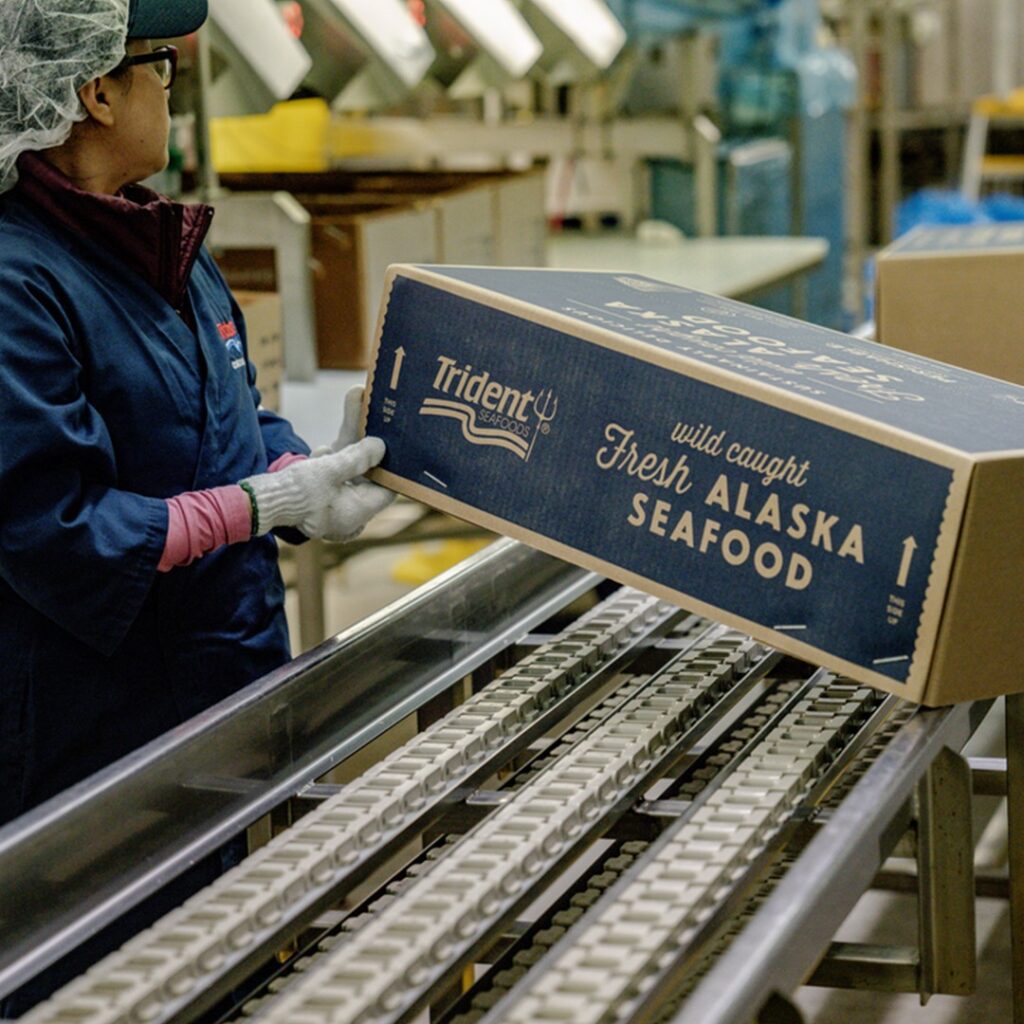
Photo Courtesy Trident Seafoods
Responsibility is also core to Trident’s operations, with a focus on safe and sustainable fisheries and products. In the face of changes in the ocean, markets, and trade conditions, the company advocates for a strong, science-informed seafood sector to protect our waters and ensure “our future generations have a place to fish.” Trident has contributed millions of dollars in funding to cooperative research over its lifetime to minimize habitat impacts from fishing gear, as well as $700,000 in 2023 and 2024 to research fisheries management needs.
Trident respects the sea, using every part of the fish that it possibly can, such that it has nearly achieved zero source waste. Its processing plants recover secondary products like frozen roe, fish meal, fish oil, and salmon-protein concentrate. The Cordova plant even captures hydrolysates, which are then used in animal feed and organic fertilizers. The company also sources responsibly: 99% of the fisheries with which Trident works have been certified under the Global Sustainable Seafood Initiative.
As Chuck Bundrant once said, “We have a bond with the ocean. When it prospers, we prosper.” His belief that “no single stakeholder group can be successful in the long run unless all are successful” clearly shines through.
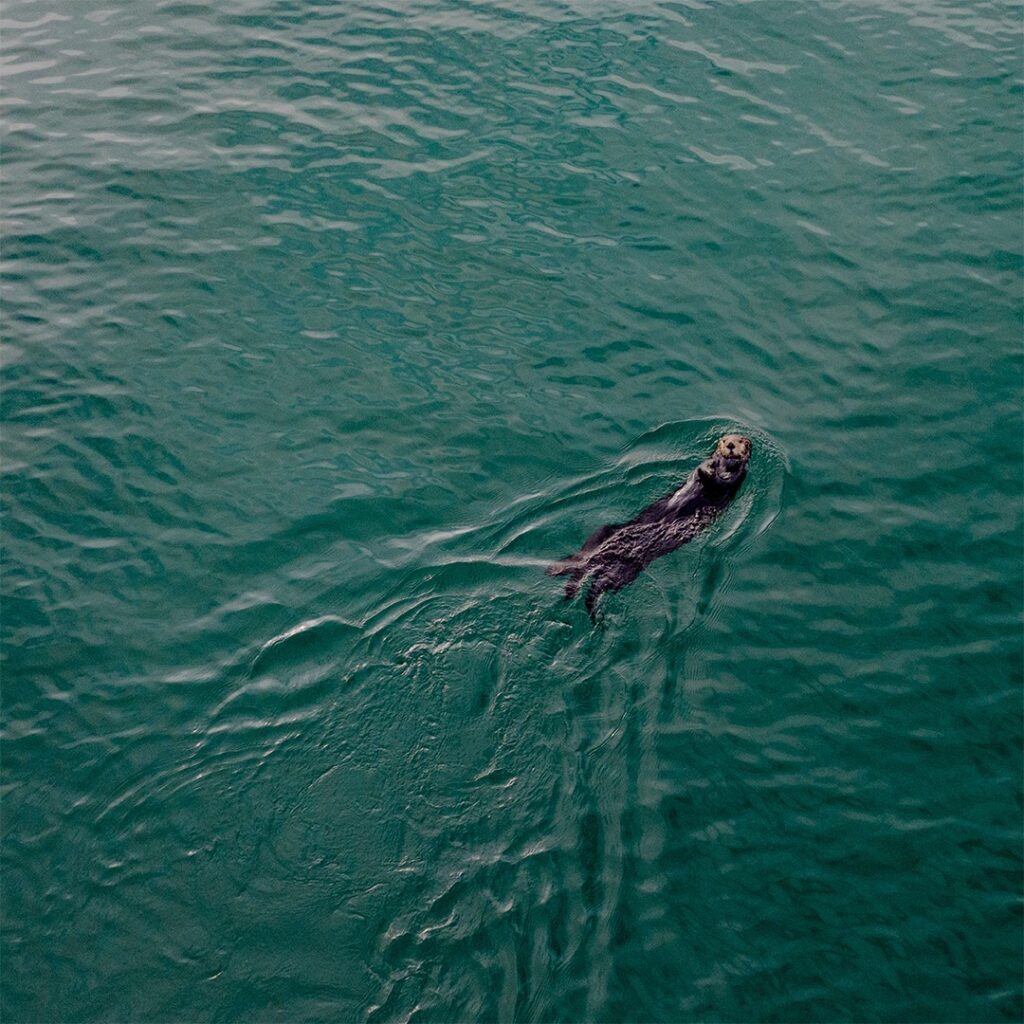
Photo Courtesy Trident Seafoods