Wayne Greier farms in Green Township, Ohio, about 15 miles west of the Pennsylvania border, and he is the sixth generation of his family to work that ground. His late father’s ashes are spread across it. “My dad worked the land until the day he died. I’ve put a lot of blood, sweat, and tears into it,” he told Farm Progress.
Across a little under 1,000 acres, the family raised 70 sheep, 15 goats, and 10 cattle. Then, Greier got sick. Farm Progress put the toll at 40 days in the hospital and seven abdominal surgeries. The Associated Press reported that a long battle with COVID-19 left Greier, 42, with $1 million in medical debt. The primarily corn-and-soybean farm kept running through it all, and so did the bills.
In 2021, a solar developer approached Greier about leasing part of his acreage, and a transmission line already ran through the farm. Jeff Risley, Founder and Executive Director of Renewable Energy Farmers of America, told the Farm4Profit podcast at the Iowa State Fair that developers look for ground near an existing interconnection point so they do not have to build new transmission. The planned 675-acre, 150-megawatt project would have paid Greier about $540,000 a year in lease payments. “It was our saving grace,” he said.
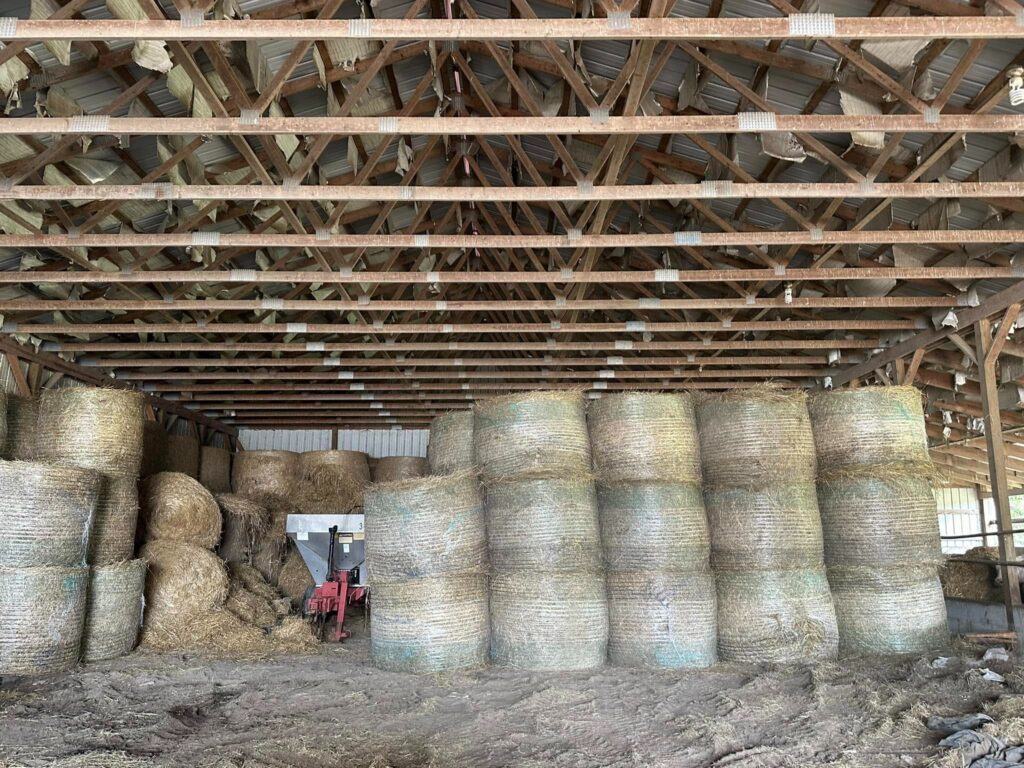
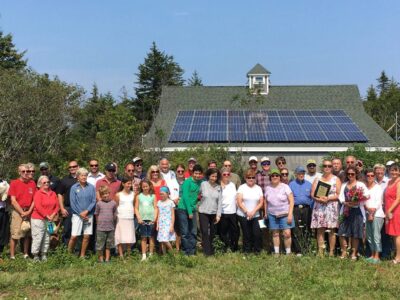
Photo Courtesy Wayne Greier
The project never got built. Local officials blocked it in 2023 under Ohio Senate Bill 52. The Ohio Power Siting Board explained that the 2021 law lets county commissioners pass a resolution prohibiting a proposed facility within 90 days of a required public meeting, and lets them designate unincorporated areas as restricted, where no application may be filed. Brandon Kern, senior director of state and national policy for Ohio Farm Bureau, called it “a pretty new and unprecedented government restriction on land use.”
Greier was forced to sell land and most of his equipment, as the bank threatened to foreclose on his house. He has since leased the farm to another farmer who carries the financial risk, and stayed on to run the equipment and market the grain. “I get to do what I love and help with the farm, and he took the reins with the financial burden. He takes the risks and everything, but at least I get to still plant and operate on the farm on my ground that’s been in my family for six generations,” Greier explained.
He also joined the board of the Renewable Energy Farmers of America, a national association for farm and ranch landowners weighing energy projects on their land. As part of the organization, he shares his perspective with legislators and communities.
Risley, whose family farms in western Kansas, told AgriNews, “More than 90% of the development for renewable energy happens on private land and most of that is happening on farmland.” He added, “Farmers are the ones that are enabling this whole thing to happen, but they have no one to turn to. Our mission is not only rooted in helping farmers navigate this, but also to protect their private property rights.” At the Iowa State Fair, Risley said the association reviews leases for members, connects them with landowners who have been through the process, and helps them judge whether a project fits their operation.
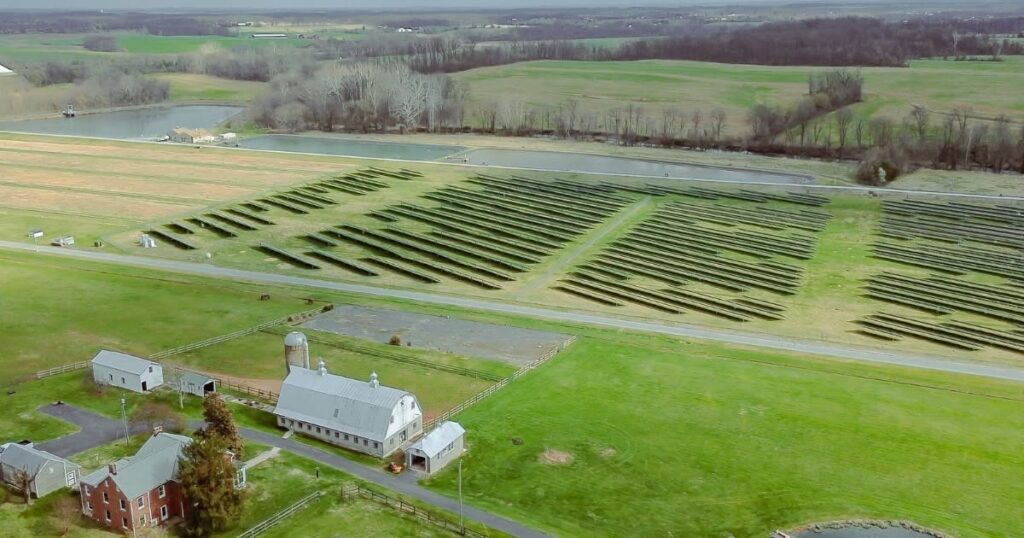
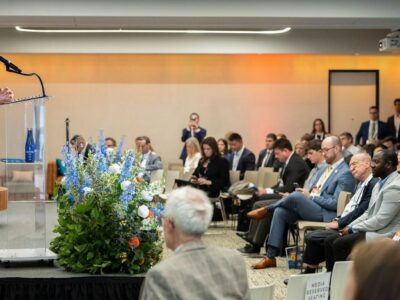
Photo Courtesy Renewable Energy Farmers of America
Greier told Farm4Profit the project would not have taken the ground out of farming, but would instead spur innovation. “We found out that we could graze sheep that we already did, we could beekeep,” he listed, in addition to noting that researchers at Ohio State University are running a small combine through soybeans planted between solar rows. Ohio State University Extension completed a two-year study on growing hay between the rows of a photovoltaic project, work now expanding into a 120-acre research zone inside a 1,000-acre solar farm under a Department of Energy program.
The objection that killed his project was that it would pull prime farmland out of production. In contrast, Ohio Capital Journal reported that the real threat is urbanization. The American Farmland Trust projects Ohio could lose more than 518,000 acres of farmland to urban sprawl by 2040, far more than the roughly 95,000 acres tied to solar projects on the Ohio Power Siting Board’s case status map.
Greier makes an economic case alongside the property rights one, telling the Farm4Profit audience that communities should weigh the tax revenue a project would bring before stopping it. That argument reaches people who own no farmland. About 100 miles away, Richland County residents gathered signatures to put their own ban to a vote, and the Associated Press reported that one of them, Morgan Carroll, is neither a farmer nor a landowner, but that she is a mother of two young children who backed the repeal for the jobs and tax revenue such projects bring: “I want them to be in a county that can provide jobs, can provide a good school for them.”
Greier is the example. He told the Associated Press that his farm was his retirement plan. “There’s families that are relying on this and looking for this. And it’s been taken away, this opportunity,” he explained. “I was the one that was going to lose the sixth-generation farm. I was the one that couldn’t provide for my family.”
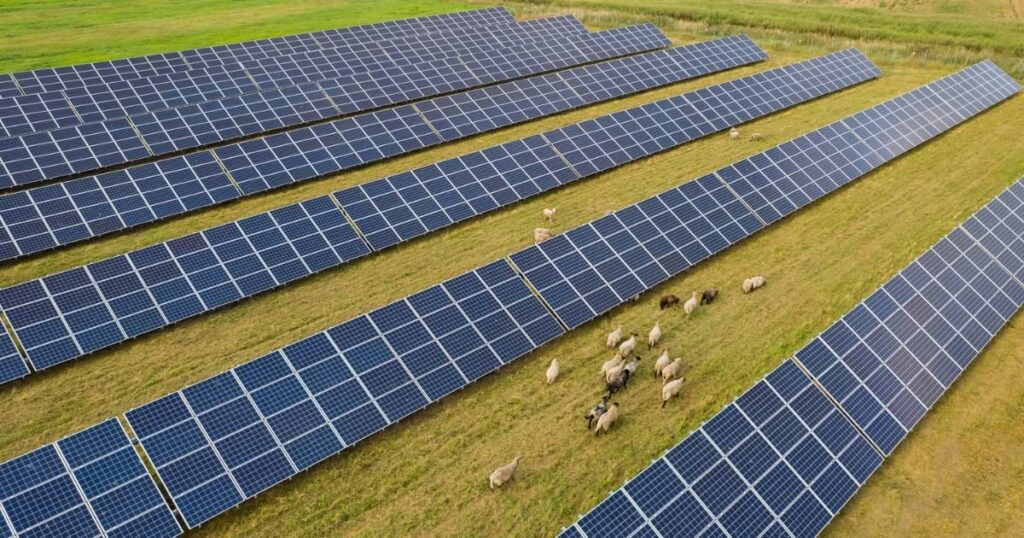
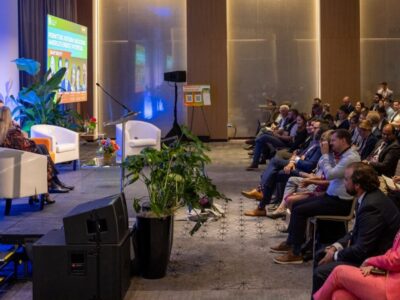
Photo Courtesy Renewable Energy Farmers of America
Greier brought the lessons he learned to Des Moines, and Iowa is working through the same questions. The Iowa Capital Dispatch reported in February that more than 50 Iowa counties have adopted moratoriums or restrictive ordinances on renewable energy projects, prompting state lawmakers to advance a bill standardizing county siting rules.
The pattern reaches well past either state. Columbia Law School’s Sabin Center for Climate Change Law found that at least 459 counties and municipalities across 44 states had adopted severe local restrictions on renewable siting by the end of 2024, up 16% in a single year.
At the state fair, Risley urged communities facing a proposal to be curious before getting angry, and to seek out farmers who have lived through it. Greier is one of those farmers. Through everything he had to sell, he kept his late father’s tractor, and his son Blake worked on it with him. His case comes back to shared responsibility. “We all make trash, but nobody wants the landfill,” he said. “If you have a farmer landowner that’s willing to take that risk and put that on their property, that can’t always be someone else’s decision.”
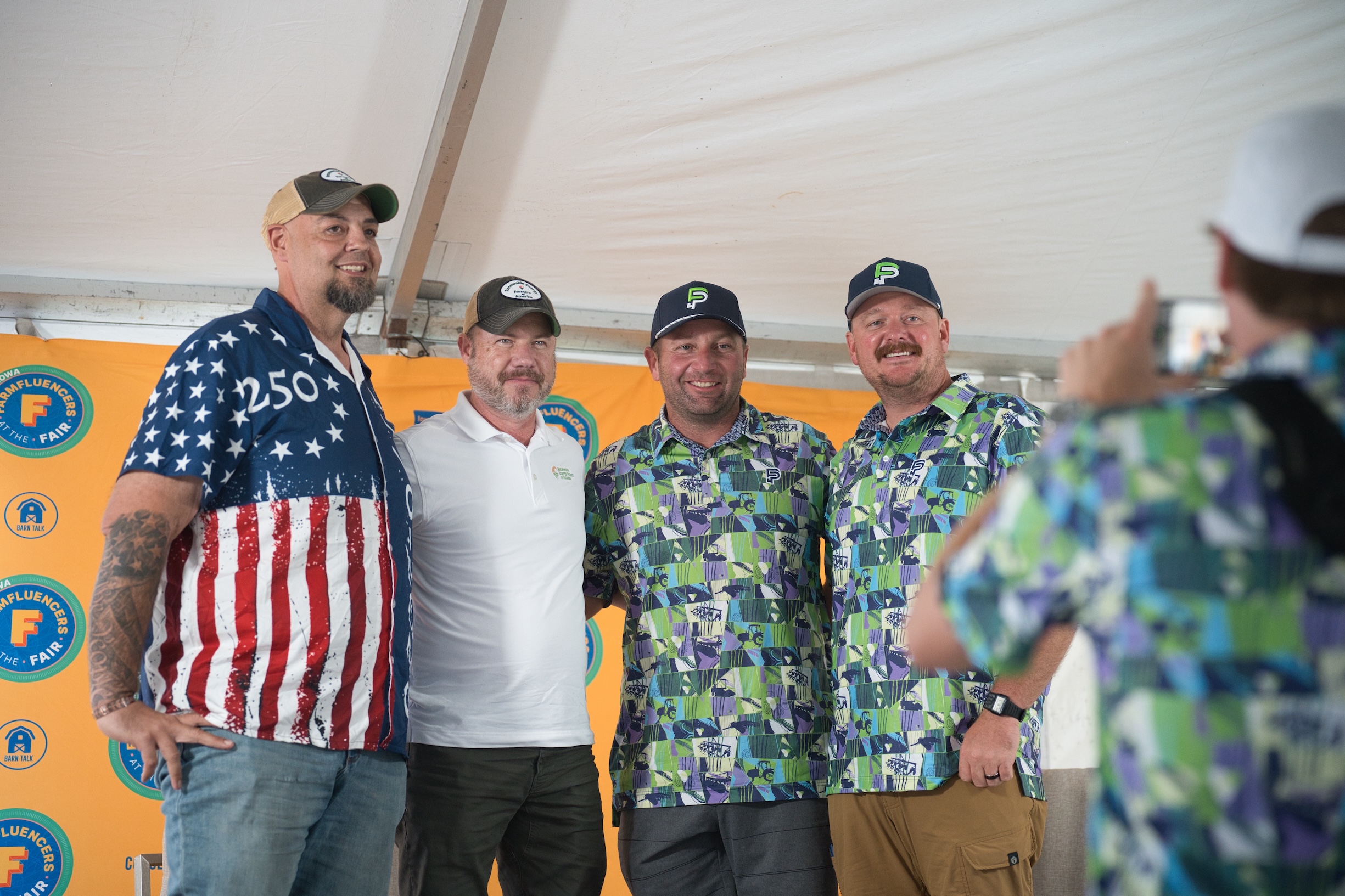
Greier was recently interviewed at the Iowa State Fair by Farm4Profit, one of the country’s most-listened-to agriculture podcasts, with more than 400,000 followers across platforms. Stay tuned for the Farm4Profit episode.