Heidi Fogarty was getting ready to retire when she had a dream instructing her to give her business to a nonprofit, The Weekly Sentinel reported in 2006. The paper described the South Berwick resident as “a spiritual person.”
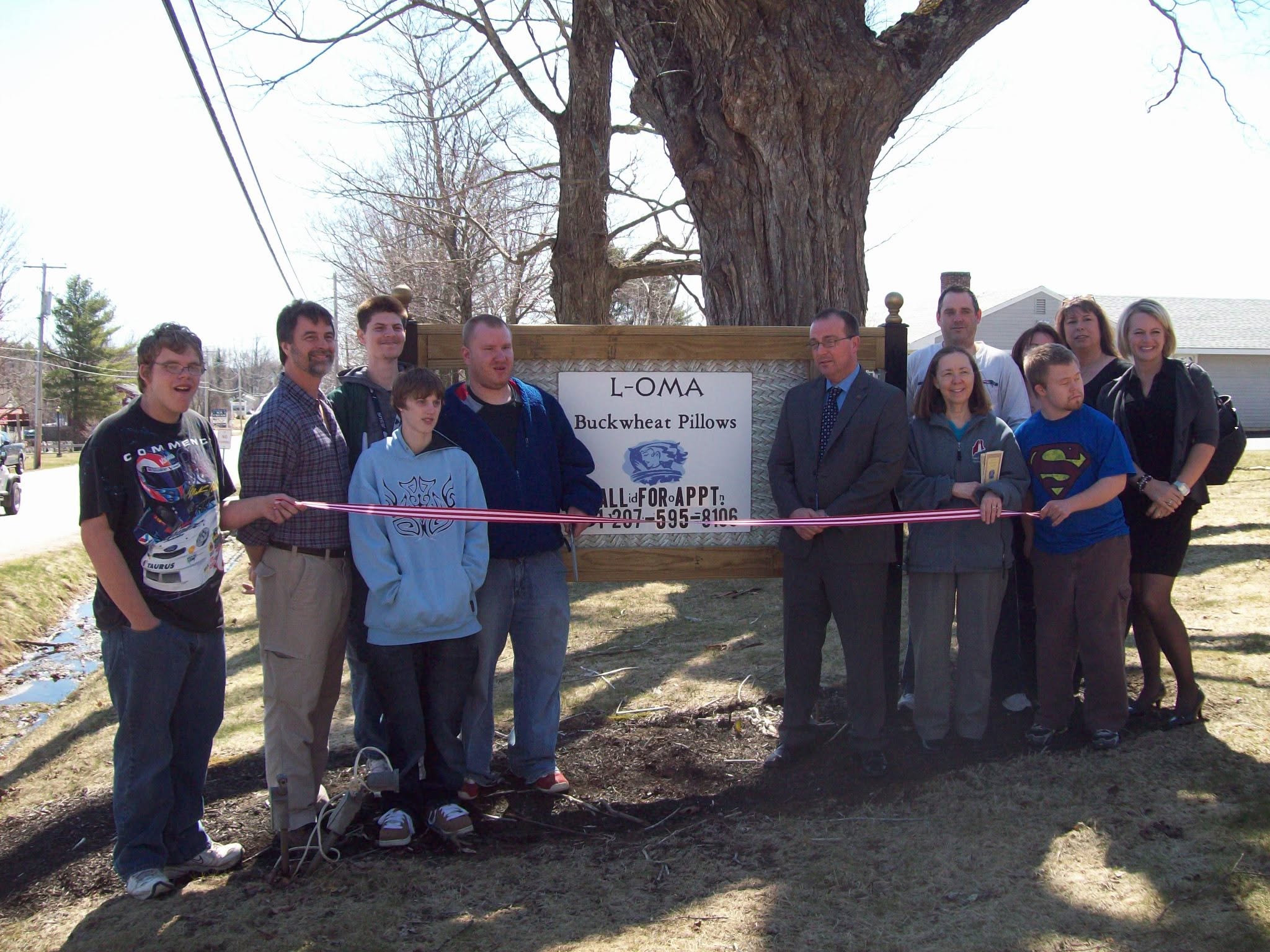
The business was L-oma Organic Buckwheat Pillows. The company says Fogarty established it in 1993 after a family trip to Germany, where she first saw buckwheat pillows. She created one of her own and named it for her grandmother, according to The Independent; Oma means grandmother in German.
Rather than sell or close the company, Fogarty donated it to The Bridges Foundation, a Maine nonprofit that serves people with developmental disabilities. In a 2013 interview with The Independent, the foundation’s president, Gregg Alexis, said, “Donating a whole company was an incredible act of generosity.” Alexis told the Bridgton News that Fogarty had expected the company to raise money for the foundation’s services. “She was thrilled, and still is, to know that we have a work program,” he said.
That work program started small. In 2006, L-oma’s pillows were made in the basement of Alexis’ home in Gray. “We need bigger space for the business, all of our money is going to the services and we just don’t have the funds for rent,” Alexis told The Weekly Sentinel at the time. “The capacity to grow is so much greater, but limited right now.”
TJ Couture, 21, was one of four workers the foundation had recently hired, and he also sat on its board. He walked the Sentinel through each step of the job: checking a pillowcase for holes, filling and weighing the pillow, zipping it into two cases, wrapping it, tying a ribbon, and attaching a tag. “Depending on the size of the pillow, it takes anywhere from five to 10 minutes to complete,” Couture said.
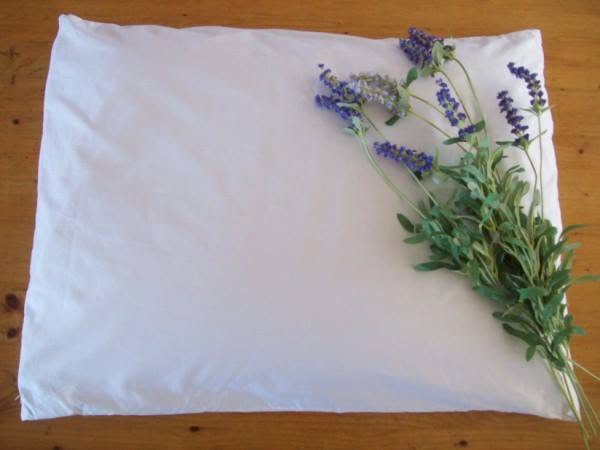
Photo Courtesy The Bridges Foundation: Disabilities and the Buckwheat Pillow
After a stretch in Standish, the foundation moved the workshop to Bridgton. Alexis described L-oma to the Bridgton News as “a prevocational program for people who have not had a job before,” teaching punctuality, following directions, and working with other people. Workers were paid after each shift. “They make the connection: I work; I get paid,” Alexis said.
Jonny Brooks, of Harrison, had worked there for about three years at the time and told the paper that one month of pay covered his phone bill. “It’s something I generally look forward to, getting out of the house and making a little money,” Brooks said. Chantal Tougas, of Naples, enjoyed filling orders scented with lavender and balsam. “It is just interesting. I never know what I’ll do until I get here,” she said.
In 2022, the workshop and gift shop moved to Depot Street in Bridgton. Looking back on nearly 20 years of running L-oma, Alexis told the Conway Daily Sun that he had watched employees develop “from initially awkward and resistant teens to fully engaged adults, capable of all aspects of the operation of the business.”
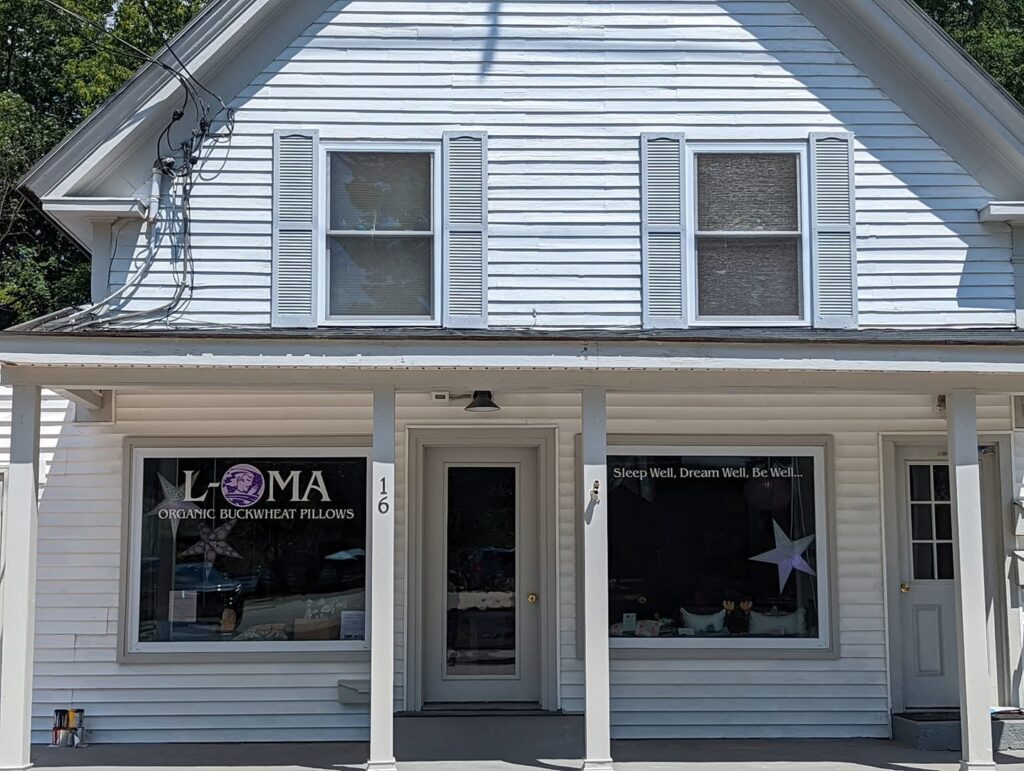
Photo Courtesy L-oma Buckwheat Pillows
L-oma pitches the pillow those workers make as a long-term purchase. The company calls its product “the last pillow you will ever buy” and says it lasts up to 10 years and can be topped up with fresh hulls by adding two zippered cases. Its weighted blankets likewise use buckwheat-filled tubes that owners can adjust or replace to extend the blanket’s life, an L-oma blog post explains. The company’s large organic buckwheat pillow sells for $86 on its online store.
L-oma says the pillow conforms to a sleeper’s headprint and “aligns neck and spine for optimal sleeping position, relief from snoring, muscle tension, sleep apnea, and great deep pressure for folks with autism.”
Buckwheat pillows do take some getting used to. Even with the fill adjusted, they keep “a firm to very firm feel due to the natural hardness of the hulls,” and the hulls rustle as they shift, Jeremy Klein from the Sleep Foundation notes. However, Erin Schwartz reported in The Strategist that she woke with her head at an awkward angle after her first night on a buckwheat pillow from a different manufacturer, but within a few days, she wrote, “I was sleeping better than I had in years.”
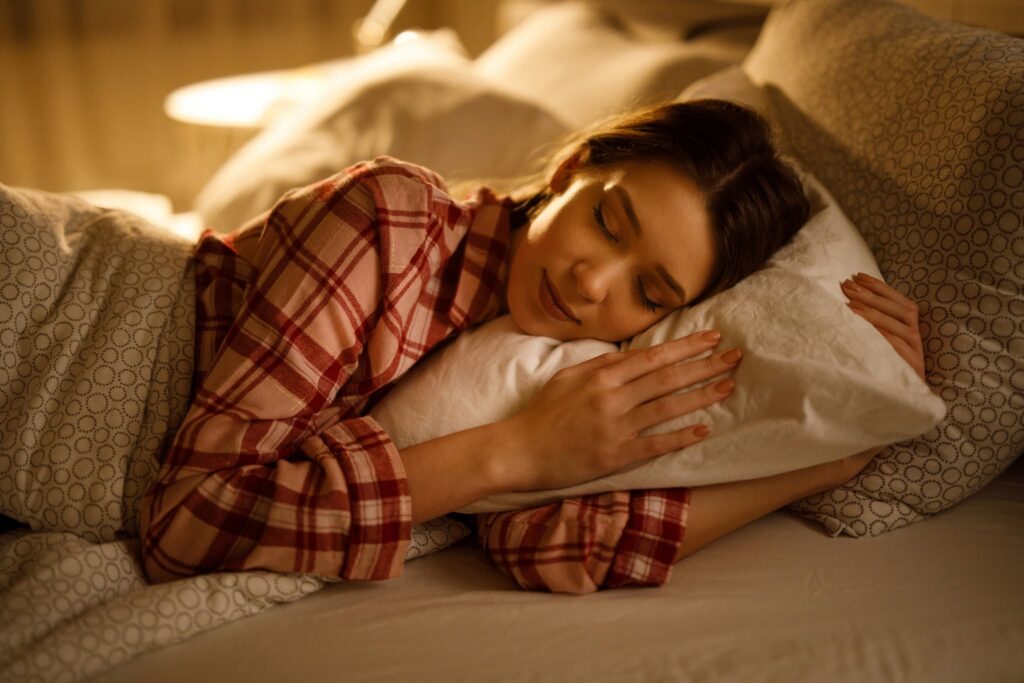
Photo Courtesy L-oma Buckwheat Pillows
L-oma is one part of a broader mission. The Bridges Foundation describes itself as a nonprofit offering “educational, employment, social & recreational opportunities” across Maine and New Hampshire to people with sensory sensitivities and with learning, emotional, or developmental disabilities. The foundation says it hopes to “blend the best aspects of the non-profit and for-profit sectors,” and L-oma puts that idea to work. The foundation’s vocational services page says the pillow business “employs people with special needs in all aspects of its operation.”
Much of the foundation’s other work happens in homes and schools. Its clinical counseling team combines “mainstream and holistic modalities” for children and brings services to the family rather than sending a child away to a residential program. “One of our primary aims is to keep the families we serve together and whole,” the foundation says. Staff provide in-home and community support with social skills, peer support, and activities of daily living. Through its personalized education services, the foundation helps students who have fallen behind earn credits toward high school graduation and pursue Extended Learning Opportunities built around their interests.
The foundation also offers private-duty respite care on a sliding scale, with “no requirement for an eligible diagnosis or insurance coverage,” according to its website. It helps families navigate school districts and state agencies, runs workshops that teach parents and educators to manage challenging behaviors, and coordinates with a family’s other providers so everyone stays informed.
Outside of school, the foundation sponsors activity groups across Cumberland County, including karate, cooking, yoga, art, and drama; most are free of charge.
L-oma says 100% of proceeds from its online store support community-based recreational, social, and vocational opportunities for people with disabilities. Those sales help but do not cover everything; the foundation still relies on donations and volunteers, Essential Living Maine noted.
The person who makes each pillow signs its tag, the Bridgton News reported, and some customers have written back. “Every now and then, someone sends a thank you note and addresses it to the person with [his or her] name on the card,” Alexis said. “That is really nice.”
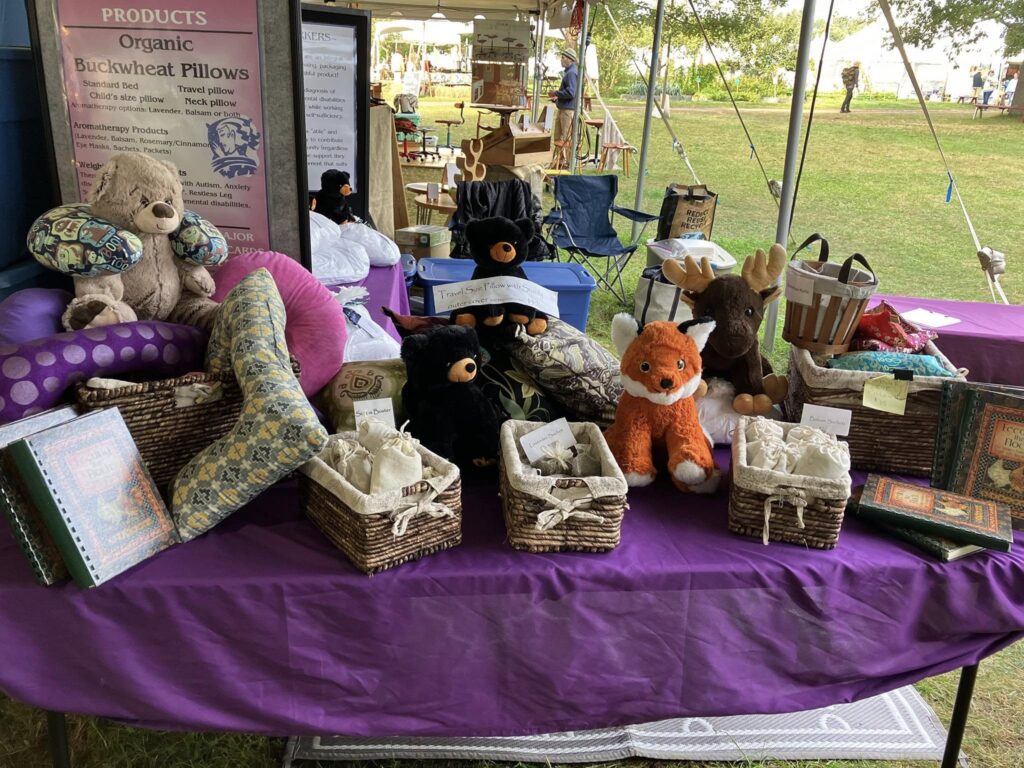
Photo Courtesy L-oma Buckwheat Pillows